
The Influence of Climatic Conditions on Furniture Maintenance in Nigeria
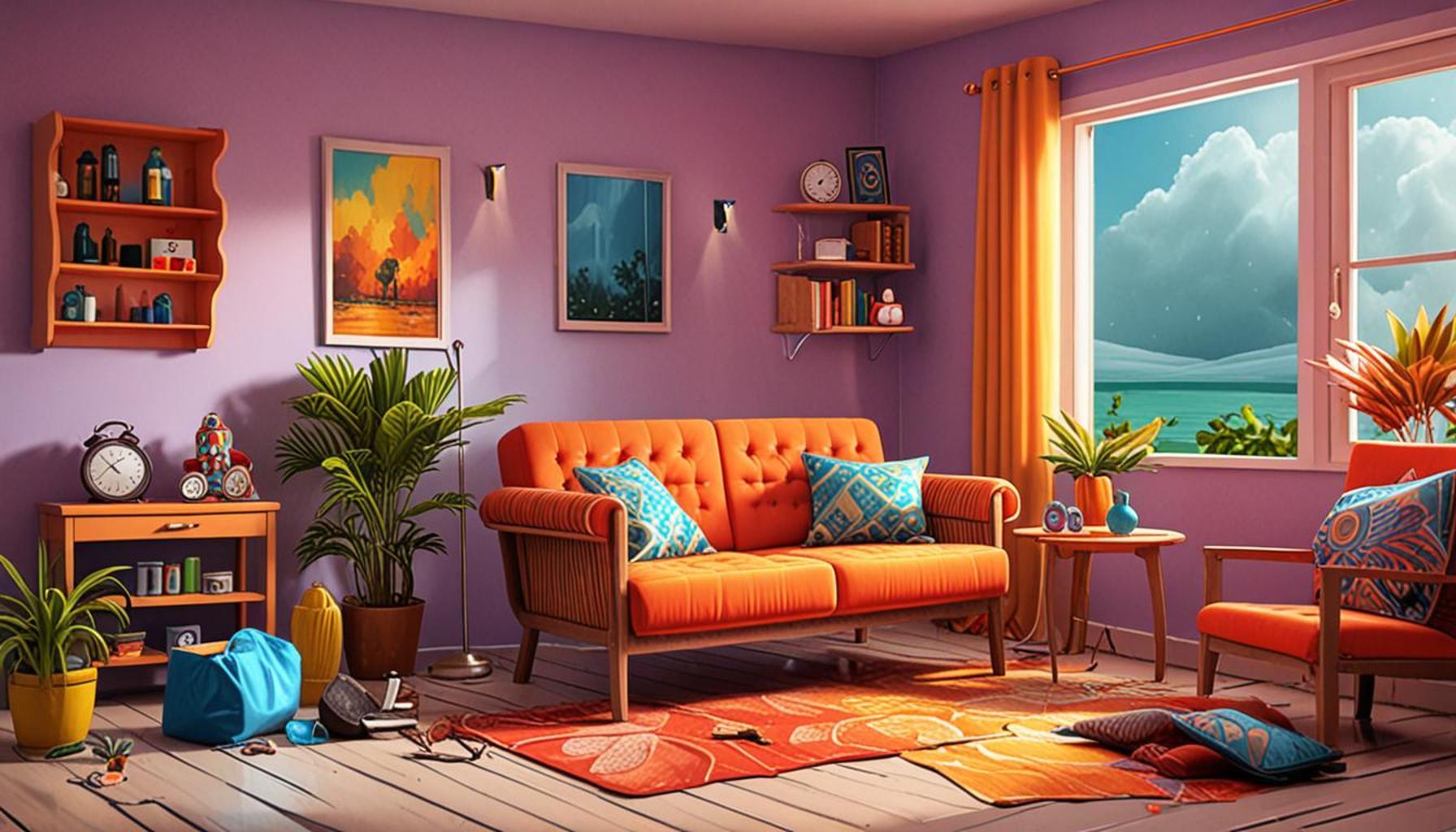
Understanding the Impact of Climate on Furniture Care
The climatic diversity across Nigeria influences various aspects of daily life, including how we care for our furniture. From the arid warmth of the Sahel to the wet, tropical environment of the coastal regions, each climate presents distinct challenges that can significantly affect the durability and aesthetics of our furnishings. As such, homeowners must adapt their maintenance practices to these environmental factors to ensure their furniture remains in top condition over time.
Key Climatic Factors Affecting Furniture
- Humidity: In regions like the Niger Delta, high moisture levels can be a persistent issue, creating the perfect environment for mold and mildew to thrive. These fungi can not only spoil the appearance of wooden surfaces but also compromise the structural integrity of the furniture. Regular inspections and cleaning with mold-resistant solutions can mitigate this risk.
- Temperature Variations: In the northern states, where temperatures can soar, wooden furniture may experience heat-related damage. Prolonged exposure to extreme heat can lead to the wood expanding and eventually cracking or warping. To combat this, homeowners can utilize curtains to block direct sunlight or employ dehumidifiers in their living spaces.
- Rainfall: Excessive rainfall, especially common in southern Nigeria, poses a threat to outdoor furniture. Metal components might corrode, while untreated wood can absorb moisture and swell. It is crucial to use covers or store outdoor furniture during rainy seasons to prevent deterioration from the elements.
Moreover, Nigeria’s inconsistent weather patterns add complexity to furniture care. For example, furniture that is regularly exposed to the blaring sun may suffer from rapid color fading, necessitating the need for special UV-resistant coatings. This understanding is vital for preserving not just the look but also the value of your investments in home decor.
Practical Maintenance Tips
- Regularly apply protective coatings to wooden furniture, which can shield it from moisture and UV exposure.
- Utilize moisture absorbers, such as silica gel packs, particularly in humid areas to minimize dampness.
- Consider weather-resistant materials like plastic or treated wood for outdoor furniture, ensuring longevity despite Nigeria’s varied climate.
By exploring the intricate relationship between Nigeria’s climatic conditions and furniture care practices, homeowners can foster a proactive maintenance strategy. It is essential to recognize the various environmental impacts on furniture and apply appropriate measures to keep those cherished pieces looking their best. The investment in time and resources for proper care can lead to significant long-term benefits and satisfaction.
CHECK OUT: Click here to explore more
Navigating the Challenges of Humidity
In many parts of Nigeria, especially in coastal areas like Lagos and Port Harcourt, high humidity levels can wreak havoc on furniture, particularly those made from natural materials such as wood. The pervasive dampness not only creates an ideal breeding ground for mold and mildew but also drives the need for stringent maintenance to preserve the integrity and appearance of furnishings. When humidity rises above 60%, it is crucial to take preemptive measures to protect wooden furniture from warping, splintering, or developing unsightly stains.
Understanding the Risks of Mold Growth
Mold and mildew, often black or green patches on furniture, are not only an aesthetic issue; they can pose serious health risks by releasing spores into the air. In Nigeria’s humid climate, furniture exposed to moisture without sufficient ventilation is particularly susceptible to this threat. Homeowners should be vigilant about conducting regular inspections for signs of mold growth, especially in regions shielded from sunlight. A combination of well-placed fans, dehumidifiers, and periodic cleaning with mold-resistant solutions can significantly reduce the chances of infestation.
Temperature Extremes and Their Effect
The temperature, especially in the northern regions like Kano and Sokoto, presents another challenge for furniture care. With temperatures often exceeding 35°C, furniture can suffer from extreme heat, leading to significant issues such as cracking and warping of wood. When the sun beats down on unprotected furniture, it can cause finishes to dull and colors to fade over time. This necessitates a multi-pronged approach to maintenance, which includes:
- Using protective coatings: Applying wax or oil can help seal wood surfaces against heat and moisture.
- Employing strategic placement: Positioning furniture away from direct sunlight or using protective window treatments can help mitigate damage.
- Maintaining consistent indoor temperatures: Utilizing air conditioning can be an effective way to control heat levels indoors, especially for larger wooden pieces.
In addition to the immediate effects of temperature, fluctuations can also impact the wood’s moisture content, which in turn affects the structural integrity of the furniture. As wood expands and contracts, it may lead to joints loosening over time, requiring homeowners to be proactive in caring for and maintaining their wooden pieces.
The Role of Seasonal Changes
Understanding the seasonal weather patterns is crucial for effective furniture maintenance. The rainy season in southern Nigeria can be particularly antagonistic to outdoor furniture, as persistent rains foster rust and deterioration. In contrast, the dry season offers a higher risk of dust exposure which can scratch surfaces and create grit accumulation on furniture. Thus, adapting maintenance practices to factor in seasonal changes is essential in preserving furniture.
By addressing the distinct climatic conditions across Nigeria and their influence on furniture maintenance, homeowners can create tailored strategies that ensure their furnishings remain both functional and visually appealing. The investment in proper care is an investment in longevity, sparking a conversation about why consistent upkeep in response to climatic demands is crucial for the preservation of treasured pieces.
The Influence of Climatic Conditions on Furniture Maintenance in Nigeria
Nigeria’s diverse climatic conditions exert a significant impact on the maintenance of furniture. The country experiences a range of weather patterns, from the humid coast of the South to the dry Sahel region in the North. This variability not only affects comfort and lifestyle but also plays a crucial role in determining how often and how effectively furniture must be maintained.
In regions with high humidity, for instance, wooden furniture is susceptible to mold and mildew, which can damage finishes and structural integrity. Regular cleaning and the use of appropriate sealants are essential to stave off these issues. Conversely, the arid conditions typical of northern Nigeria lead to the drying and cracking of wood furniture, necessitating frequent application of oils and polishes to maintain its luster and prevent deterioration.
Additionally, seasonal variations further complicate furniture maintenance. During the rainy season, excess moisture can warp wooden structures, leading to alignment issues and surface damage. This necessitates vigilant monitoring and quick intervention, often requiring specialized products designed for high-moisture environments. As the dry season sets in, the need for protective measures such as moisture absorbers and proper ventilation becomes vital.
This intricate relationship highlights the necessity for Nigerians to adopt tailored maintenance strategies based on their local climate. Specific products, expert recommendations, and a thorough understanding of the unique environmental challenges can significantly enhance the longevity and aesthetic appeal of furniture. By understanding these climatic influences, homeowners can ensure their investments in furniture endure the test of time, despite the challenges posed by Nigeria’s diverse weather conditions.
| Category | Advantages |
|---|---|
| Humidity Management | Reduces mold and mildew growth on furniture surfaces through regular cleaning. |
| Temperature Regulation | Prevents wood cracking by maintaining appropriate moisture levels with the use of oils and sealants. |
Understanding these influences provides insight into the best practices for preserving not just the aesthetic appeal of furniture, but also its durability amidst Nigeria’s climatic challenges.
ADDITIONAL INSIGHTS: Expand your understanding here
Protecting Furniture from the Elements
Aside from humidity and temperature extremes, Nigeria’s climatic conditions include intense rainfall, dust storms, and extreme UV radiation, all of which can contribute to the degradation of furniture over time. Homeowners need to be aware of these elements and implement strategies to safeguard their furnishings accordingly.
Weatherproofing Strategies
To counteract the effects of precipitation, particularly during the rainy season, it is imperative for homeowners to engage in weatherproofing measures for outdoor furniture. Using waterproof covers is one of the simplest ways to protect outdoor seating and dining sets from prolonged exposure to rain. Additionally, opting for materials that inherently resist moisture, such as synthetic wicker or treated aluminum, can further enhance durability.
Similarly, securing your furniture indoors during storms or heavy rainfall can prevent damage and extend its life. For wooden pieces, applying high-quality varnishes specifically designed to resist water can add an extra layer of protection. These coatings can act as a barrier to moisture, reducing the likelihood of swelling and cracking.
Dust and UV Radiation: The Hidden Dangers
The dry period in Nigeria, especially in the northern states like Jos and Yola, is notorious for dust storms that can leave layers of gritty debris on furniture surfaces. This dust not only dulls finishes but can also cause micro-scratches that diminish aesthetic appeal over time. Regularly dusting with a microfiber cloth can help minimize these unsightly accumulations. Furthermore, maintaining a cleaner environment in your home by using air purifiers can also limit dust buildup, protecting furniture and enhancing indoor air quality.
Moreover, the most severe damage can occur due to prolonged exposure to strong sun rays, particularly during the dry season. UV radiation can fade and dry out finishes, resulting in discoloration and compromising the wood’s natural oils. Utilizing window treatments such as blinds or curtains can shield your furniture from direct sunlight while helping to regulate indoor temperatures too. Additionally, using furniture polish that includes UV protection can help maintain the luster and prevent discoloration over time.
Choosing the Right Materials for Furniture
Understanding the impact of climatic conditions can influence the choice of materials used in furniture. For instance, in humid regions like the Niger Delta, opting for hardwoods such as mahogany or teak that are more resistant to moisture can be wise. In contrast, for the hotter regions, lightweight metals or high-density polyethylene (HDPE) offer resilience against severe temperatures and UV exposure.
Additionally, the local market is brimming with artisans who craft resilient pieces tailored to withstand Nigeria’s unique climate. By investing in furniture designed specifically for regional weather, homeowners can ensure durability while supporting local craftsmanship.
As consumers become more educated about the effects of climate on furniture maintenance, there is a growing trend to prioritize sustainable materials and designs that align with the environmental challenges faced. This not only promotes environmental responsibility but also leads to informed decisions that enhance the longevity of the pieces that grace our homes.
LEARN MORE: This related article may interest you
Conclusion: The Path to Furniture Longevity in Nigeria
In summary, the diverse climatic conditions in Nigeria play a pivotal role in influencing the maintenance and longevity of furniture. From the high humidity of coastal regions to the intense heat and dust storms of the north, every aspect of the weather can lead to wear and tear, affecting aesthetic appeal and structural integrity. Homeowners must take proactive steps to understand and adapt to these environmental challenges through effective maintenance strategies.
Implementing measures like weatherproofing, choosing furniture wisely based on local climate, and incorporating protective finishes are essential practices that can significantly extend the lifespan of furniture. The trend towards selecting sustainable and resilient materials reflects a growing awareness of these issues, promoting both smart consumerism and environmental responsibility.
Moreover, investing in locally crafted furniture not only supports Nigerian artisans but also ensures that pieces are specifically designed to withstand the challenges presented by the local climate. Such choices can lead to more informed decisions, resulting in durable and aesthetically pleasing furnishings.
As consumers continue to educate themselves about the relationship between climatic conditions and furniture maintenance, it is evident that well-maintained furniture adds value, comfort, and style to any home. By taking the necessary precautions, Nigerians can fully enjoy their living spaces while minimizing the impacts of the ever-changing weather on their cherished furnishings.