Strategies to Prevent Premature Wear of Furniture in Family Environments
Understanding Furniture Wear in Family Spaces
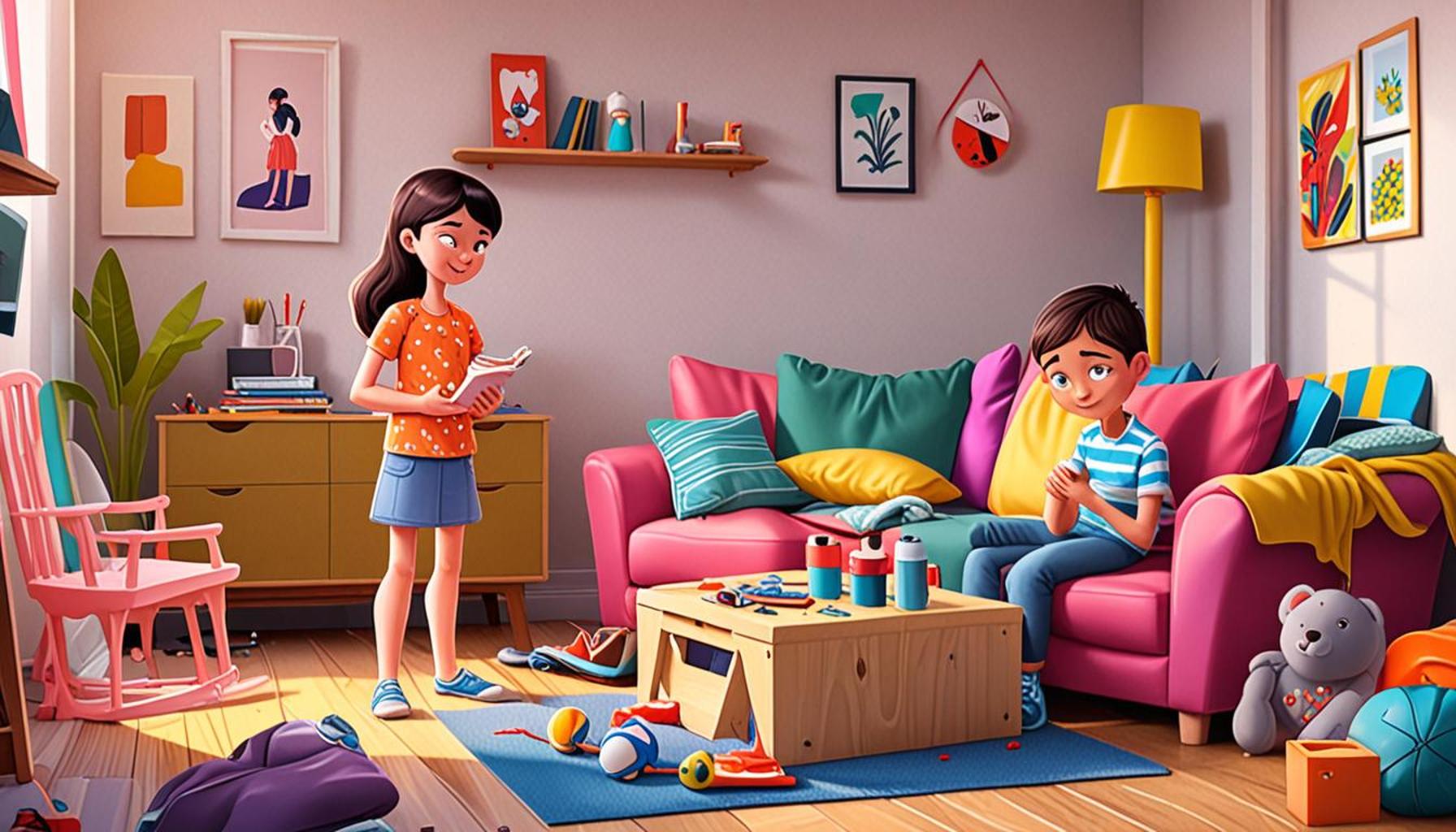
Every home filled with laughter and activities hosts a collection of furniture that faces daily wear and tear. In family environments, the constant hustle—from children playing to pets lounging—can take a toll on furniture. The good news is that with the right strategies, you can significantly extend the life of your pieces. Living spaces become more than just a backdrop; they transform into a canvas showcasing the vibrant life of a family. Yet, this vibrancy often comes at a cost, particularly regarding the integrity of your furniture.
Factors Contributing to Furniture Wear
While furniture is designed to withstand everyday use, several factors can accelerate its deterioration:
- High Traffic Areas: Living rooms and dining areas experience frequent use. In many Nigerian homes, these spaces serve as gathering spots for family and friends alike, leading to increased foot traffic that can scuff floors and wear out upholstery.
- Children and Pets: Playful kids and curious pets may cause unexpected damages. It’s not unusual for parents to find crayon drawings on the dining chairs or for family dogs to jump on the couches, resulting in scratches or stains.
- Climate Conditions: In Nigeria, humidity can warp wooden items and affect upholstery. The combination of heat and moisture can lead to unsightly bulges in wooden furniture and fading of fabrics, necessitating extra caution for those living in coastal areas or regions with high annually rainfall.
Proactive Approaches to Furniture Care
Implementing specific care techniques can help preserve your furniture’s integrity while keeping your home looking stylish and well-maintained:
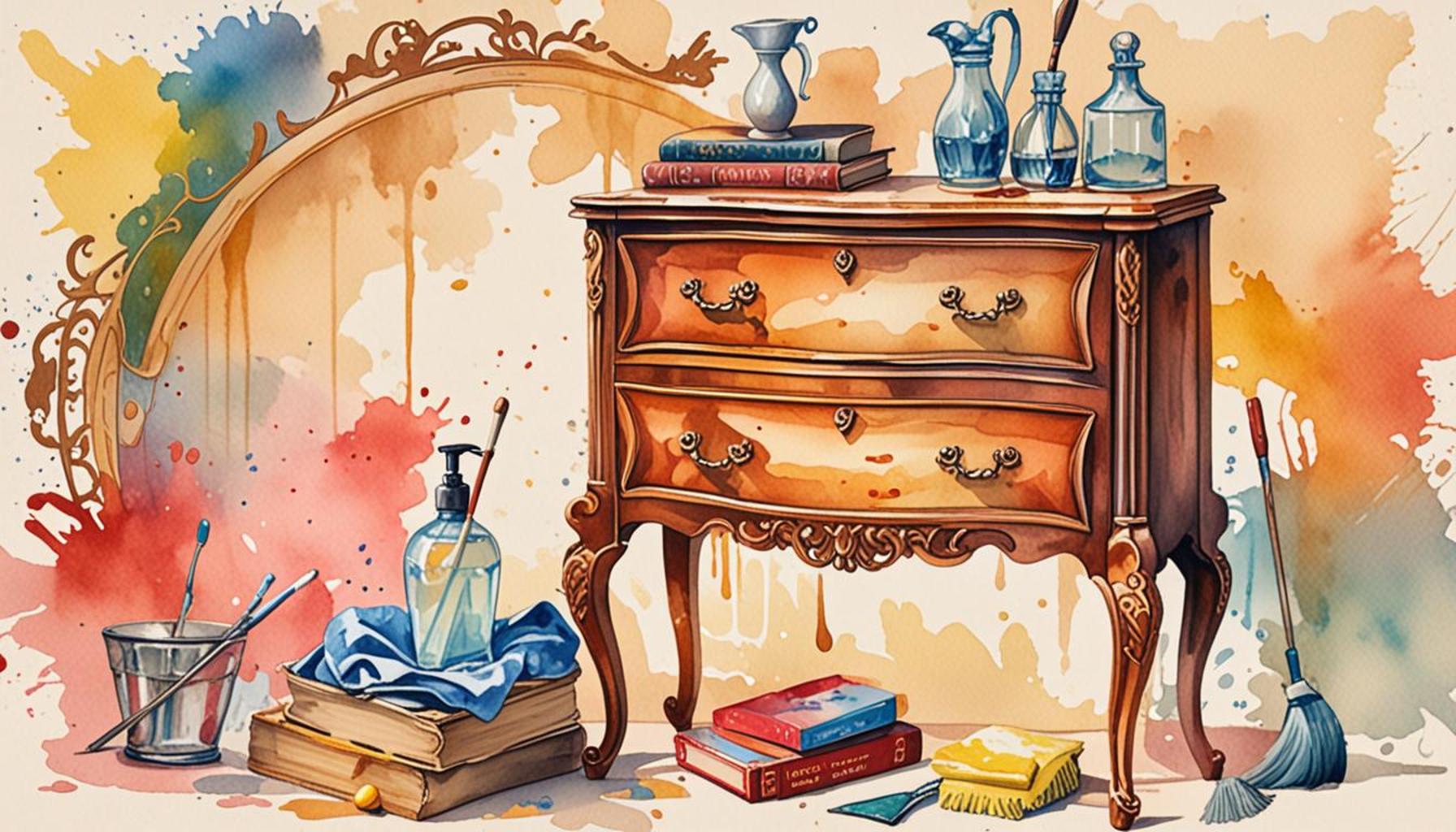
- Regular Cleaning: Dust and maintain surfaces to prevent buildup. A weekly cleaning routine can help maintain the appearance of your furniture. This could involve gently wiping down surfaces with a damp cloth and using a soft brush for intricate designs, particularly on wooden pieces that require more delicate care.
- Use Protective Covers: Consider slipcovers for sofas or armchairs to guard against spills. Protective covers not only extend the lifespan of your furniture but also allow for easy cleaning, especially in homes with children who eat and play on the furniture.
- Strategic Placement: Position furniture away from windows to minimize sun damage. Using curtains or blinds can also help shield your furniture from direct sunlight, which can drastically alter colors and textures.
By understanding the unique challenges that family settings pose, you can engage in effective maintenance practices. For instance, families living in areas with a lot of dust may want to invest in microfiber or leather furniture that is easier to wipe clean. Preparing yourself with these strategies to prevent premature wear of furniture will not only save you money but also keep your living space looking inviting and fresh. Investing time in proper maintenance can enhance your home’s aesthetic while also fostering a cozy and welcoming environment for family activities.
As you navigate the challenges of household furnishings, remember: with a little effort and foresight, your furniture can continue to support your family memories for years to come.
RECOMMENDED: Check out this similar article
Smart Choices for Lasting Furniture
In family environments, where the rhythm of life dances to the beats of play and leisure, selecting the right furniture is pivotal to managing premature wear. Choosing durable materials can mitigate potential damage and ensure your investments last longer. Here are some strategies that family homeowners should consider when purchasing and maintaining furniture:
- Selecting the Right Materials: When buying furniture, consider materials that are both stylish and functional. For instance, leather and synthetic fabrics are known for being resilient and easier to clean compared to cotton or linen. In homes with pets, fabrics treated for stain resistance can help fend off the consequences of unintentional accidents.
- Quality Over Quantity: Investing in well-made furniture from reputable brands might seem costly initially, but it pays off in the long run. Durable furniture can withstand the test of time, dramatically reducing the frequency of replacements. Look for pieces with strong frames, solid wood construction, and high-quality finishes to avoid frequent repairs.
- Child-Friendly Designs: When furnishing your space, consider designs tailored for family life. Furniture with rounded edges can minimize injuries when kids run around, and those ideal for easy cleaning—such as tables with non-stick surfaces—whittle down your workload and inconvenience.
Additionally, think about how multi-functional furniture can be beneficial in a family setting. Pieces that serve dual purposes, like ottomans with storage or sofa beds, not only enhance space efficiency but also contribute to reducing clutter, which can be a culprit in wear and tear. In Nigeria, where many families live in apartments with limited room, selecting space-saving options can be both a practical and stylish solution.
Maintenance: The Key to Longevity
The foundation of any strategy aimed at preventing premature wear lies in regular maintenance. Implementing a practical cleaning schedule can preserve your furniture’s appearance and functionality:
- Immediate Spill Management: During moments of family chaos, spills are inevitable. Addressing them immediately by blotting does wonders to prevent staining. For fabrics, a gentle cleaning solution can be used, while leather surfaces can benefit from specialized conditioners that protect against drying and cracking.
- Rotating Upholstery: For upholstered items, rotate cushions regularly to promote even wear and maintain their shape. This simple practice can extend the life of the furniture, ensuring that one area doesn’t become worn out quicker than the rest.
- Regular Inspections: Every so often, inspect your furniture for signs of wear. Pay attention to loose joints, scratches, or frayed edges. Early detection can save significant time and money on repairs down the line.
By implementing these strategies, families can significantly reduce the risk of premature wear on their furniture while maintaining their home aesthetic. From material choices to maintenance routines, each decision contributes to a longer lifespan, allowing families to focus on what matters—creating lasting memories in their cherished spaces.
Strategies to Prevent Premature Wear of Furniture in Family Environments
As families gather around furniture for activities, the wear and tear can increase significantly. Understanding how to protect your furniture is crucial for maintaining its appearance and longevity. Here are some effective strategies that can be easily integrated into daily routines:
| Strategy | Effectiveness |
|---|---|
| Regular Cleaning | Removes dirt that can scratch surfaces and reduces allergens. |
| Use of Coasters | Prevents water rings and stains from beverages, preserving the finish. |
| Furniture Covers | Protects against scratches and spills when not in use, acting as a barrier. |
| Proper Placement | Avoids exposure to direct sunlight and heat that can fade and warp furniture. |
Implementing these strategies can create a harmonious environment that balances aesthetics with functionality. By taking proactive steps, families can not only prolong the life of their furniture but also enhance the overall comfort of their living spaces. The commitment to regular maintenance is vital for ensuring that furniture remains a source of pride rather than a point of concern in family environments.
SEE ALSO: Click here to read another article
Creating a Family-Friendly Environment
Beyond the selection and maintenance of durable furniture, creating a supportive environment that protects your furnishings from the inevitable stresses of family life is equally pivotal. Understanding how to organize your family space can significantly contribute to preventing premature wear. Here are practical strategies to achieve that:
- Designated Play Areas: Establishing dedicated zones for children’s activities can significantly reduce the wear on furniture. Utilize vibrant rugs or mats in these play areas to provide comfort and protection against spills, scratches, and impacts. In Nigeria, where colorful textiles are a staple, selecting a sturdy, wipeable rug can enhance the aesthetic while safeguarding underlying floors and furniture.
- Furniture Placement: Consider how furniture placement can guard against accidents. Arranging heavier pieces against walls can create more open space for play while minimizing the risk of furniture tipping or sustaining damage. It can also make cleaning easier, allowing for smoother navigation around the home.
- Incorporating Furniture Covers: Utilizing slipcovers or protective throws can be a stylish solution to prevent wear on upholstery. These covers can easily be removed and washed, providing both ease of maintenance and the flexibility to change designs seasonally or to keep up with growing children’s tastes.
Moreover, teaching children the importance of caring for furniture can foster a sense of responsibility. From an early age, involving kids in simple maintenance tasks—like dusting or organizing—can instill lifelong habits of respect towards household items.
Utilizing Smart Technology
As technology enters more spheres of our lives, it can also play a role in preserving furniture over time. Smart devices that monitor environmental factors such as humidity and temperature can prevent damage to sensitive materials like wood or leather:
- Environmental Monitoring: For wooden furniture, excessive moisture can lead to warping, while dryness can cause cracking. Using dehumidifiers or humidifiers to maintain balanced humidity levels can protect sensitive materials and prevent cracks, particularly important in Nigeria’s varying climate.
- Smart Cleaning Tools: Consider investing in robotic vacuums or smart cleaning devices equipped with sensors that navigate around furniture. This not only saves time but reduces the physical wear on furniture caused by traditional cleaning methods.
In a country where communal living is common, the integration of space-saving furniture designed for multifunctionality can be particularly beneficial. Items such as nesting tables or expandable dining sets are perfect for adapting to different occasions and minimizing the wear from everyday use. Families can enjoy flexibility without the baggage of frequently replacing furniture.
These strategies combine practical living space organization and technological integration to extend the life of your furniture in family environments. By thoughtfully designing your home around your family’s dynamic activities, you are setting the stage for furniture that not only survives but thrives in the face of daily interactions.
ADDITIONAL INSIGHTS: Expand your understanding here
Conclusion
In conclusion, the journey to prevent premature wear of furniture in family environments demands a multifaceted approach that balances durable selections with strategic environmental design. By establishing designated play areas and wisely utilizing furniture placement, families can create safe zones that minimize damages while promoting healthy activities. Incorporating protective covers adds an aesthetic touch while safeguarding upholstery against everyday wear and tear.
The role of technology cannot be overlooked; integrating smart devices for monitoring humidity or employing robotic cleaning tools can dramatically extend the lifespan of your furniture by protecting it from environmental factors and reducing physical wear. Furthermore, opting for multifunctional space-saving furniture resonates particularly well in the context of Nigeria’s dynamic living arrangements, ensuring adaptability and resilience in often crowded homes.
Ultimately, fostering an environment where children learn to value and respect furniture through participation in maintenance tasks can instill habits that last a lifetime. This holistic perspective encourages innovative thinking around furniture care, ensuring that your pieces not only withstand the rigors of family life but remain a cherished part of your home for years to come. By embracing these strategies, families can effectively harmonize the need for functionality with the desire for durability, creating a living space that truly thrives amidst the daily hustle and bustle.