
Effective Methods for Cleaning Antique Furniture: Preserving History and Style
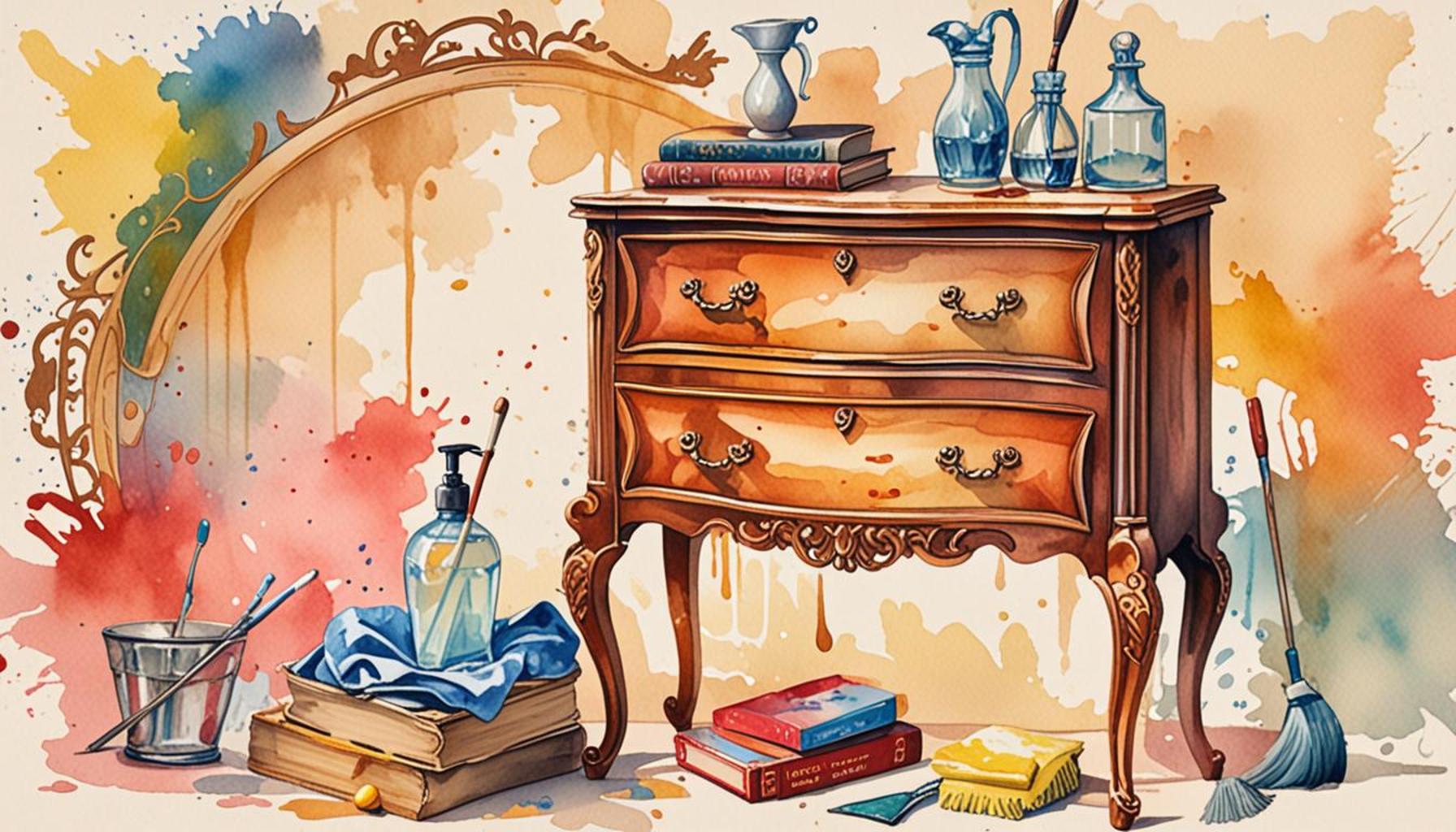
Understanding Antiquities and Their Care
Antique furniture is not merely decor; it is a testament to the intricate craftsmanship and cultural heritage of the past. In Nigeria, where diverse traditional practices intersect with contemporary lifestyles, preserving antiques reflects an appreciation for history and artistry. Each piece tells a story, often tracing back generations, and maintaining their integrity means respecting their unique narratives.
When it comes to cleaning antiques, it is crucial to acknowledge that traditional cleaning methods may not always be effective or suitable. Instead, a tailored approach that considers the age, material, and finish of each piece is essential. This knowledge fosters an understanding of antique preservation, allowing enthusiasts to explore and appreciate their collections beyond mere ownership.
Effective Cleaning Techniques for Antiques
Here are several effective techniques to unveil the beauty of antiques while safeguarding their original features:
- Gentle dusting: Regular dusting is crucial in maintaining the condition of antique pieces. A soft cloth or feather duster can effectively remove dust and prevent it from settling into crevices. This method not only preserves the aesthetic appeal but also protects the finish.
- Natural cleaners: Many commercial cleaners can damage delicate finishes on antiques. Instead, consider using a mixture of olive oil and vinegar. This natural polish is gentle on surfaces, helping to enhance the wood’s natural sheen without compromising its integrity. This method is particularly effective for local hardwoods, like mahogany or teak, widely used in traditional Nigerian furniture.
- Wood-specific treatments: It’s advisable to use wax or cream specifically designed for antique wood. These products not only add shine but also provide a protective layer against dust and moisture, fostering longevity. Application of wax should be done sparingly to avoid buildup, which can attract dirt and detract from the piece’s beauty.
In addition to these techniques, it is vital to assess the individual characteristics of each antique. For instance, carved wooden items may require more careful handling compared to flat surfaces. Furthermore, metal fixtures or accents may need specialized care, introducing another layer of complexity into the cleaning process.
Ultimately, understanding the appropriate cleaning techniques for various materials can enhance the overall experience of owning and displaying antiques. By implementing these methods, collectors and enthusiasts can ensure that their treasured items, rooted deeply in Nigeria’s rich cultural tapestry, continue to be a source of pride and fascination for years to come.
YOU MAY ALSO LIKE: Read read another article
Protecting Valuable Antique Pieces
As antique furniture holds significant value, both emotionally and financially, proper cleaning techniques are essential to ensure each piece remains in prime condition. The rich history and craftsmanship of antiques are often reflected in their intricate designs and delicate materials, making it vital to handle them with utmost care. While the general rule of thumb is that less is more, it is essential to employ targeted cleaning methods that both protect and enhance the beauty of these treasures.
One of the first steps in preserving your antique furniture is assessing the type of material. For instance, wood, metal, or upholstered fabrics each have distinct care needs. Utilizing the correct cleaning solutions can prevent accidental damage that may worsen over time. Moreover, understanding the age of the piece can help identify the appropriate cleaning products. For instance, older pieces, particularly those made before the 20th century, may have finishes that are more sensitive to modern cleaning agents.
Essential Antiques Cleaning Practices
Here are several techniques specifically tailored to maintain and enhance the appearance of antique furniture:
- Humidity control: Maintaining an ideal humidity level (around 40-50%) is crucial for wooden antiques. Sudden changes in moisture can cause cracks or warping. Consider using a humidifier in the dry season, especially in regions like northern Nigeria, where the harmattan winds can drastically lower humidity levels.
- Soft brush use: For intricate carvings, a soft-bristled brush can effectively dislodge dust without harming the wood. This method helps prevent dust accumulation in hard-to-reach areas and is especially ideal for local artisans’ handiwork typical in traditional Nigerian furniture.
- Spot cleaning upholstered pieces: For fabric-covered antiques, address stains promptly using a mild soap and water solution on a soft cloth. Always test on a hidden area first to avoid discoloration. This proactive approach can help maintain the integrity of the upholstery.
- Professional assessment: For valuable or rare antiques, seeking a professional restorer before undertaking any cleaning is wise. These experts can identify unique materials and finishes, providing customized care that helps to preserve the piece without causing irreparable harm.
Utilizing these effective methods not only helps in cleaning but also ensures that the stories of these antique items continue to be told through generations. Each cleaning session can uncover hidden beauty, allowing antiques to flourish as focal points within Nigerian homes. Therefore, investing time and knowledge into the proper cleaning of antique furniture transcends mere aesthetics—it safeguards history and the artistry of craftsmanship that is ceaselessly valuable.
Effective Methods for Cleaning Antique Furniture: Preserving History and Style
The care and maintenance of antique furniture is not just an aesthetic endeavor; it is also a way of preserving the history and craftsmanship that these pieces embody. Employing the right techniques is crucial to ensure the longevity of these treasures without compromising their integrity or value. Here, we delve into some effective methods for cleaning antique furniture while maintaining its original charm.
1. Gentle Dusting
One of the most fundamental yet often overlooked aspects of furniture maintenance is dusting. Using a soft, lint-free cloth can prevent scratches while effectively removing dust particles. A microfiber cloth is particularly advantageous as it traps dirt and dust without the need for harsh chemicals.
2. Mild Cleaners
When it comes to cleaning surfaces, opt for a mild soap solution mixed with water. Avoid harsh detergents that can strip the finish of the wood. After applying the solution with a soft cloth, make sure to thoroughly dry the surface to prevent moisture damage.
3. Natural Oils
Applying a natural oil, such as lemon oil or jojoba oil, can replenish the wood’s natural luster. These oils not only provide moisture but also serve as a protective barrier against future grime buildup. Regular application will keep the furniture looking pristine while preserving its original finish.
4. Specialized Products
For antique pieces that require more care, consider using specialized cleaning products designed for vintage furniture. Products that contain beeswax or carnauba wax can effectively clean while also protecting and enhancing the wood grain. Always test any product in an inconspicuous area first.
5. Professional Restoration
In cases of severe damage or wear, seeking the help of a professional may be the best option. Experts can meticulously restore antique furniture to its former glory without compromising its historical value. This option should be considered, particularly for heirloom pieces with significant emotional or monetary value.
Incorporating these methods into your routine maintenance strategy will not only enhance the look of antique furniture but also extend its life, allowing future generations to appreciate these beautiful artifacts of history.
| Category | Details |
|---|---|
| Gentle Dusting | Use soft cloth to avoid scratches. |
| Mild Cleaners | Use a soap-water mix to clean. |
| Natural Oils | Enhances wood’s appearance. |
| Professional Restoration | For severe damage, consult an expert. |
Adopting these cleaning methods is essential for anyone looking to maintain the elegance of antique furniture, ensuring that these pieces continue to tell their stories for years to come.
YOU MAY ALSO LIKE: Read read another article
Advanced Techniques for Restoring Antique Furniture
As custodians of cultural heritage, antique furniture owners often find themselves at a crossroads between preservation and restoration. While effective cleaning practices can maintain the outward beauty of these pieces, advanced restoration techniques can breathe life back into them without compromising their historical integrity. This delicate balance is essential for those keen on keeping the rich narratives embedded in their homes.
Understanding Restoration versus Cleaning
It is essential to distinguish between cleaning and restoration when caring for antique furniture. While cleaning focuses on removing dirt and grime to reveal the original finish, restoration may involve repairing damage or replacing missing parts, which can alter the piece’s historical context. In regions like Nigeria, where rich traditional stories are often told through everyday objects, maintaining authenticity should always be a priority during any restoration process.
Cleansing Techniques for Different Finishes
Different finishes require tailored cleaning methods to avoid damage. For instance:
- Lacquer and varnish: For furniture with lacquer finishes, a mixture of equal parts of vinegar and olive oil can be applied using a soft, lint-free cloth. This natural cleaner not only removes grime but also enhances the luster without stripping the finish.
- Shellac: Antique pieces finished with shellac should be gently cleaned with a solution of denatured alcohol and water. Applying this solution using a soft cloth can help remove surface-level dirt while preserving the delicate shellac finish.
- Oil finishes: For furniture treated with oil, periodic buffing with a fine-grade steel wool and a mixture of mineral spirits can help restore its natural sheen. Care must be taken to follow the grain of the wood to prevent scratches.
Pest Management in Antique Care
Pest issues can be especially formidable when it comes to maintaining antique furniture. Insects such as woodworms or termites can severely damage wood structures, leading to costly repairs and potential loss of value. Regularly inspecting antique pieces for signs of infestation is critical. If detected early, measures such as freezing the item or using specialized insecticide designed for antique care can help deal with the problem effectively.
Utilizing Environmentally Friendly Products
Increasingly, antique enthusiasts are leaning towards eco-friendly cleaning products to minimize environmental impact while preserving their valued possessions. These products generally contain natural ingredients that are gentle on historical finishes yet effective in removing stains and dust. Consider creating a simple cleaning solution using baking soda and lemon juice for wood surfaces, which not only cleans but also imparts a fresh scent.
Considerations for Furniture Location
The location of antique furniture plays a pivotal role in its upkeep. Positioning furniture away from direct sunlight and heat sources helps prevent fading and drying out of wooden pieces. Moreover, using coasters and pads can protect surfaces from scratches and moisture rings, especially in Nigerian homes where hospitality often features frequent gatherings.
By incorporating these advanced techniques while being mindful of the unique characteristics of each piece, antique furniture owners can enjoy the timeless beauty of their possessions. Through careful consideration and informed actions, we can ensure that our cherished antiques continue to tell their stories for generations to come.
YOU MAY ALSO LIKE: Read read another article
Conclusion: Cherishing History Through Careful Maintenance
In the world of antique furniture, preserving history and style requires a balanced approach that combines effective cleaning methods with advanced restoration techniques. As we have explored, understanding the unique characteristics of each piece is crucial in determining how to maintain its beauty without compromising its historical integrity. From using tailored cleansing solutions for different finishes to implementing environmentally friendly products, every step taken is vital in honoring the craftsmanship and stories behind these cherished items.
Moreover, the importance of timely pest management cannot be understated, especially in regions like Nigeria where climate factors may exacerbate infestations. Regular inspections and preventive measures will help ensure that antique furniture remains a valuable asset. Additionally, being mindful of the furniture’s location within the home plays a critical role in safeguarding its condition against environmental factors.
Ultimately, the care and preservation of antique furniture extend beyond aesthetics; they represent a tangible connection to our cultural heritage. By implementing the methods discussed in this article, antique enthusiasts can create an atmosphere that not only showcases beautiful, timeless pieces but also preserves the rich narratives they carry for future generations. The journey of maintaining these historical treasures is as rewarding as the stories they tell, inviting not just admiration, but deeper reflection on the legacy of craftsmanship and heritage.