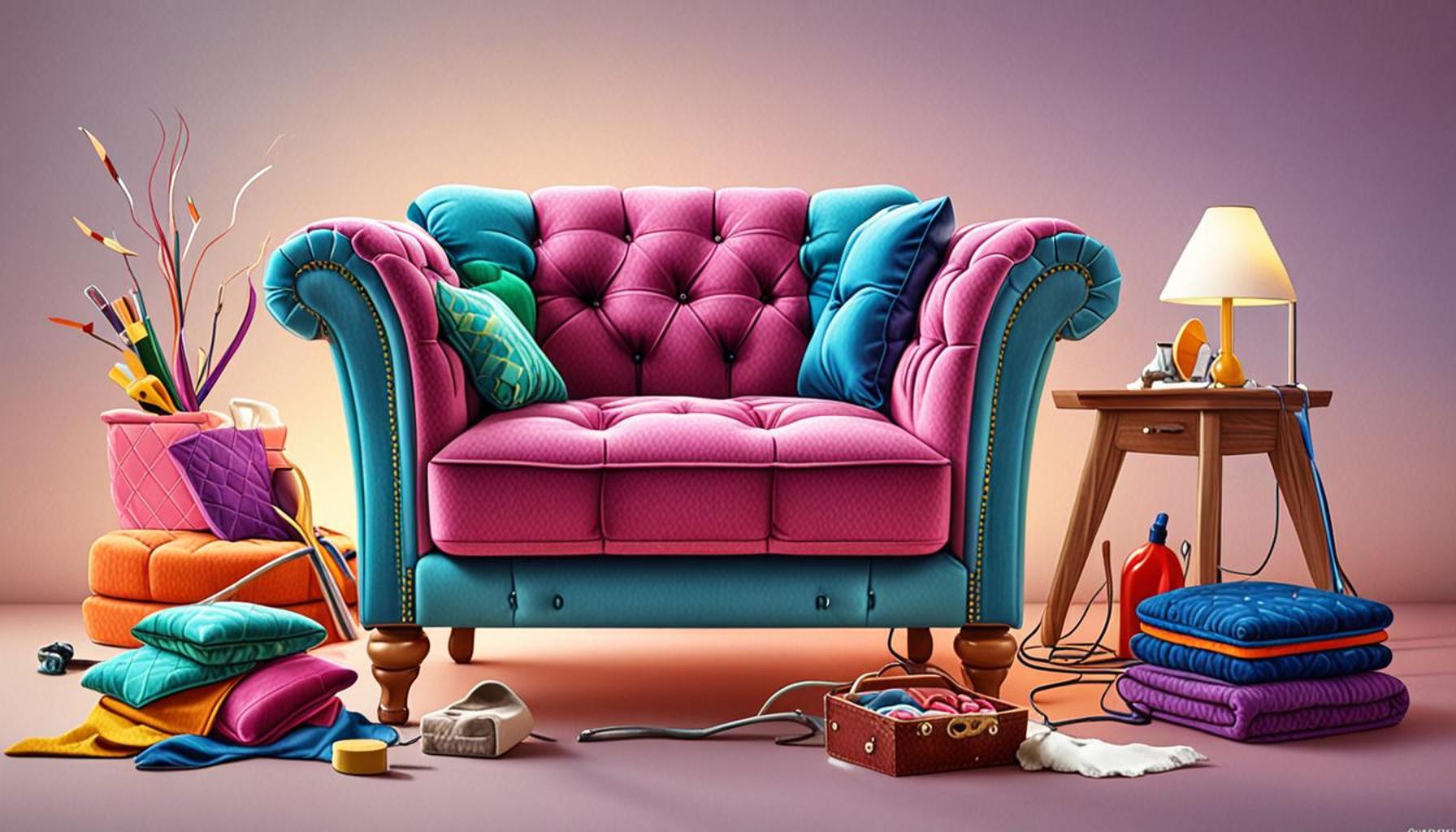
The Importance of Preventive Maintenance for Furniture in Commercial Environments

Understanding the Importance of Preventive Furniture Maintenance
In today’s fast-paced commercial environments, the role of furniture transcends mere functionality. It is a crucial component in crafting a productive workspace. As businesses invest heavily in quality furnishings, the need for preventive maintenance for furniture becomes increasingly apparent. A meticulously organized maintenance plan not only safeguards this investment but also contributes to a more efficient and appealing work environment.
Key Aspects of Preventive Maintenance
When considering preventive maintenance, it’s important to focus on several pivotal aspects that can lead to a more sustainable workspace:
- Durability: Regular maintenance, such as cleaning, polishing, and tightening screws, significantly extends the lifespan of office furniture. For instance, a well-maintained wooden desk can last decades, while neglected furniture may need replacement within a few years.
- Safety: Safety is paramount in any work environment. Well-maintained furniture minimizes the risk of accidents. Consider broken chair legs or sharp edges; with routine checks and repairs, businesses can prevent injuries and ensure a safer workplace for staff and visitors alike.
- Aesthetics: First impressions matter. Clean and polished furniture not only enhances the aesthetic appeal of a workplace but also improves employee morale. For Nigerian businesses, where clients often place a high value on appearance, a well-kept office can make a significant impression.
The Unique Challenges in Nigeria
Particularly in Nigeria’s diverse climatic conditions, from humid coastal cities to the arid north, maintaining furniture can be a challenge. The high temperatures and humidity can lead to issues like shrinkage, warping, or fading in wooden and upholstered materials. For example, an office located in Lagos may require more frequent maintenance schedules compared to one in cooler regions like Jos. Being attuned to these environmental factors can significantly improve the longevity of office furnishings.
Long-Term Benefits of Routine Maintenance
Many businesses often overlook the long-term advantages of furniture maintenance, fixating instead on initial acquisition costs. However, proactive care can avert expensive replacements and repairs due to neglect. A report from the Nigerian Bureau of Statistics indicated that businesses that adopted preventive maintenance practices saw a 25% reduction in capital expenditures over a three-year period. This is a potent illustration of how a routine maintenance schedule not only enhances the aesthetic values but also bolsters economic efficiency.
The Case for Investment
Investing in preventive maintenance for furniture is not merely a cost; it’s an investment in the company’s future. By ensuring that each piece of furniture is regularly checked and maintained, businesses can create a welcoming atmosphere that promotes productivity and employee satisfaction. In a country where startups and small businesses are increasingly influential, taking this step can set a firm apart in both professionalism and operational success.
Ultimately, recognizing the intrinsic value of routine maintenance goes beyond avoiding costs; it enhances overall functionality and workplace harmony. In the competitive Nigerian market, such strategic foresight is invaluable for sustainable success.
YOU MAY ALSO LIKE: Read read another article
Practical Strategies for Effective Preventive Maintenance
Implementing a successful preventive maintenance program for furniture in commercial environments is not only about adhering to regular schedules; it involves a strategic approach tailored to the unique circumstances of each business. Here are some practical strategies that can significantly enhance the efficacy of furniture maintenance:
- Regular Inspections: Establish a routine schedule for inspecting all furniture pieces. These inspections should focus on identifying potential wear and tear early on, allowing for timely repairs and minimizing further damage. For example, checking chair mechanisms and hinges every six months ensures that minor issues are addressed before they escalate.
- Cleansing Techniques: Proper cleaning goes beyond mere dusting. Utilizing appropriate cleaning solutions for different materials is vital. Wooden furniture, for instance, benefits from a specialized wood polish, while upholstered items may require steam cleaning or a gentle vacuuming process to prevent the buildup of dirt and allergens.
- Conditioning Products: Applying conditioning products can prolong the life of an office’s wooden furniture. In humid areas like Port Harcourt, using a humidifier alongside conditioning treatments can help prevent the wood from absorbing excess moisture and warping.
- Employee Training: Staff should be educated about proper usage and care of furniture. This could involve simple practices, such as avoiding standing on chairs or placing heavy objects on shelves, which can prevent premature wear and tear.
The Role of Professional Services
While many maintenance activities can be handled in-house, engaging professional services is often a wise choice, especially for larger corporations with extensive furnishings. These specialists bring expertise that ensures thorough maintenance procedures, addressing intricate issues that may go unnoticed by untrained eyes. Moreover, professional services can customize maintenance plans that are crucial in Nigerian climates, adapting practices to local conditions and materials.
The Economic Perspective
From an economic standpoint, the advantages of preventive maintenance for furniture cannot be overstated. Investing in regular upkeep can drastically reduce overall costs associated with repairs and replacements. Studies indicate that businesses in Nigeria that prioritize preventive maintenance strategies experience less expensive, infrequent emergencies, shifting their focus from reactive post-maintenance costs to proactive care. For instance, a commercial enterprise that invests in scheduled maintenance may save up to 30% in unexpected furniture expenditure over a few years.
Moreover, the impact of well-maintained furniture extends beyond mere numbers. A workspace that reflects attention to detail and care fosters a culture of professionalism, which can inspire productivity among employees and create a positive impression on clients and visitors alike. Such efforts cultivate a reputation that can distinguish a business within Nigeria’s competitive marketplace.
| Advantages | Details |
|---|---|
| Cost Savings | Regular maintenance extends the life of furniture, reducing the need for expensive replacements. |
| Enhanced Aesthetics | Well-maintained furniture creates a polished look, improving the overall image of the business. |
| Safety Assurance | Regular checks ensure that furniture is safe to use, minimizing the risk of accidents. |
| Increased Comfort | Proper maintenance keeps seating and workspaces comfortable for employees and clients. |
| Improved Employee Morale | A pleasant working environment fosters higher productivity and job satisfaction. |
Implementing a robust preventive maintenance strategy for furniture in commercial settings is not only about keeping aesthetics in check but also about financially wise decisions. Take, for example, a small café investing in regular chair and table upkeep. This simple step can avert costly renovations and enhance customer comfort, supporting the establishment’s long-term success. In addition, businesses that prioritize maintenance reviews demonstrate a committed approach to safety and quality, effectively nurturing a positive brand image. The ripple effect of these advantages can significantly influence employee engagement, ultimately translating to better service and increased profits. Reflect on these factors and explore the ways that preventive maintenance could reshape your workspace dynamics.
YOU MAY ALSO LIKE: Read read another article
Enhancing Workplace Aesthetic and Employee Well-being
The impact of furniture maintenance in commercial environments transcends mere functionality; it significantly affects workplace aesthetics and overall employee well-being. A well-maintained office not only looks professional but also fosters a healthier and more enjoyable working atmosphere. The physical state of office furniture can directly influence the mood and productivity of employees, making preventive maintenance essential for cultivating a positive work environment.
Creating a Professional Image
In Nigeria’s bustling business landscape, first impressions carry substantial weight. Clients and partners often form perceptions based on the overall aesthetic of a business’s workspace. When furniture is outdated, worn, or damaged, it may inadvertently convey neglect and lack of professionalism. This could deter potential clients or partners, negatively impacting the business’s opportunities. Maintaining high-quality, aesthetically pleasing furniture through a diligent preventive maintenance program not only ensures that it remains in optimal condition but also enhances the overall image of the organization.
The importance of aesthetics in workplace environments cannot be overstated. Research indicates that well-designed spaces, complemented by well-maintained furniture, can boost morale and motivation among employees by as much as 25%. This translates into increased productivity, reduced turnover rates, and enhanced team collaboration. Companies that prioritize preventive maintenance are not just preserving their investments; they’re also investing in their human resources.
Health Benefits of Maintenance
Proper maintenance of office furniture goes hand in hand with promoting health standards in commercial environments. For instance, ergonomic chairs and desks that are well-kept can significantly reduce the risk of musculoskeletal disorders among employees. Regular checks and adjustments can help ensure that such furniture effectively meets the varying needs of employees, contributing to their physical comfort in the workspace. Ergonomically designed furniture also reduces fatigue and discomfort, which often lead to absenteeism and decreased productivity.
Furthermore, maintaining cleanliness through routine inspections can minimize the accumulation of allergens and dust mites, promoting a healthier working environment. In Nigeria, where humidity can aggravate mold and dust issues, utilizing preventive maintenance strategies like regular deep cleaning can mitigate related health risks. The use of eco-friendly cleaning products can also align with corporate sustainability goals, enhancing the company’s reputation among eco-conscious consumers.
Tailoring Preventive Maintenance Programs
To maximize effectiveness, preventive maintenance programs must be tailored to accommodate specific commercial settings and usage patterns. For example, offices with high traffic may require more frequent checks and maintenance than those with less activity. Businesses in various sectors, such as hospitality and education, face unique challenges that should be addressed through specialized maintenance practices to ensure durability and longevity.
- In the Hospitality Sector: Frequent wear and tear is common due to the constant movement of guests. Implementing a routine maintenance schedule that includes deeper cleaning and periodic refurbishments can preserve the appearance and functionality of hotel furniture.
- In the Educational Sector: Classrooms filled with students require robust, durable furniture. Tailored maintenance may include regular checks on desk stability and surface integrity to ensure a safe learning environment.
In essence, customizing preventive maintenance strategies to fit the unique demands of various commercial environments is vital. Organizations that proactively address these needs benefit not only from prolonged furniture life but also from heightened employee satisfaction and improved operational efficiency.
CHECK OUT: Click here to explore more
Conclusion
In conclusion, preventive maintenance for furniture in commercial environments emerges as a fundamental strategy that benefits not only the physical state of the furnishings but also the overall productivity and morale of the workforce. As explored, maintaining furniture goes beyond periodic cleaning and repairs; it reflects a company’s commitment to excellence and well-being. A diligent preventive maintenance program, especially tailored to meet the needs of specific sectors like hospitality and education, fosters a professional image while enhancing employee satisfaction and health.
Moreover, investing in the upkeep of furniture not only preserves its longevity but also promotes a workspace that is conducive to creativity and collaboration. Studies indicate that a well-presented commercial environment can boost employee morale by up to 25%, underscoring the need for businesses to prioritize aesthetic and functional integrity.
Furthermore, in a country like Nigeria, where environmental conditions can impact the durability of office furniture, adopting a proactive approach to maintenance is crucial. By implementing customized maintenance schedules and utilizing eco-friendly practices, organizations can not only protect their investments but also align with sustainability goals—providing a dual benefit in an increasingly eco-conscious marketplace.
Ultimately, businesses that recognize and act on the importance of preventive maintenance create a workspace that attracts clients and retains valuable talent. In an era where first impressions matter significantly, prioritizing furniture maintenance is not merely a practical necessity but a strategic move towards fostering a thriving commercial ecosystem.