
How to Maintain External Drainage Systems to Prevent Damage
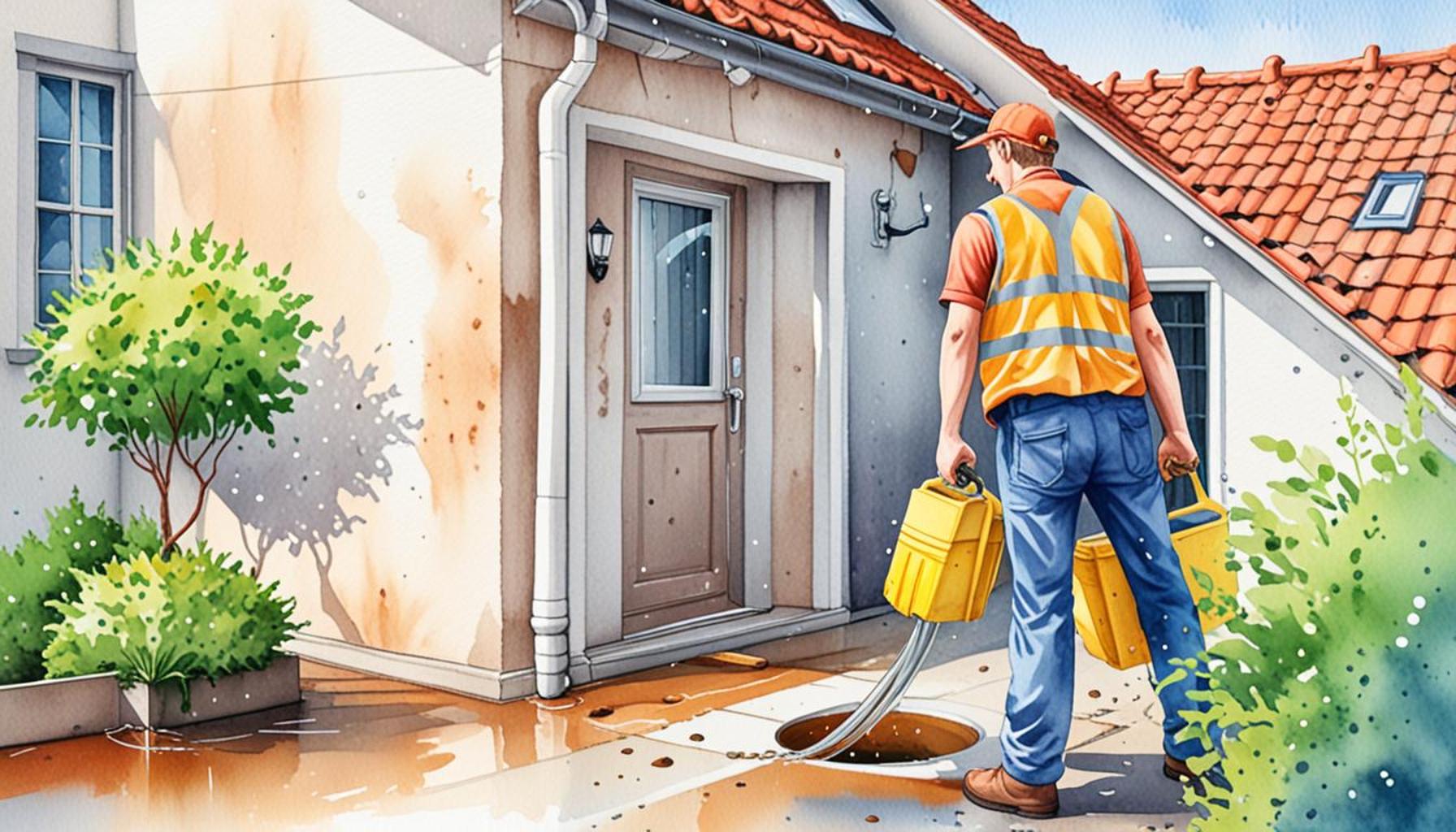
The Importance of Proper Drainage Maintenance
In many parts of Nigeria, particularly during the rainy season, the skies open up, releasing torrential downpours that can easily overwhelm inadequately managed drainage systems. The result? Water pooling in residential areas, rising water tables, and even property damage. For homeowners, understanding the need for systematic maintenance of external drainage systems is not merely an option but an absolute necessity. Keeping drainage systems in optimal condition can prevent costly repairs and protect investments.
One of the most critical steps in maintaining effective drainage is through regular inspections. This involves checking drainage ditches, culverts, and pipes not only for blockages but also for signs of damage. For instance, during inspection, homeowners should be on the lookout for accumulated debris, which could include plastic bags, fallen branches, or even more problematic items like tires. It’s recommended to carry out these inspections at least twice a year, ideally at the onset of the rainy season and following heavy rains.
Key Maintenance Practices
- Cleaning Gutters: Gutters collect rainwater that flows off roofs; if clogged with leaves and dirt, they can cause water to spill over and pool around the foundation of homes. A popular practice among Nigerian homeowners is to install gutter guards to reduce debris accumulation, making cleaning easier and more effective.
- Assessing Drainage Pits: Over time, drainage pits can become filled with sediment or silt, reducing their capacity to carry water away from properties. Regularly checking these pits and excavating the sediment will not only enhance water flow but also reduce odors that can attract unwanted wildlife.
By focusing consistently on these maintenance tasks, you not only improve the efficiency of your drainage systems but also safeguard your home from future disaster. Neglecting these areas can lead to significant repercussions, including:
- Increased Flood Risks: Excess water can infiltrate properties, leading to mold growth, structural damage, and higher insurance premiums.
- Soil Erosion: Water overflow can wash away topsoil, ruining gardens and landscaping, which can also impact local wildlife.
- Pest Infestations: Stagnant water becomes a breeding ground for mosquitoes and other pests, posing health risks to residents.
As Nigeria continues to experience changing weather patterns and increasingly unpredictable rainfall, maintaining external drainage systems emerges as not only a good practice but a necessary step in protecting homes and ensuring safety during the tumultuous rainy season. Educating oneself about effective maintenance strategies can make a substantial difference. Methods appropriate for local conditions, such as utilizing local labor for regular checks or engaging neighborhood groups for collective maintenance, can foster community awareness and enhance overall effectiveness. In the upcoming sections, we will delve deeper into tailored maintenance strategies, providing homeowners with the tools to keep their properties safe and dry.
ADDITIONAL INSIGHTS: Expand your understanding here
Essential Steps for Effective Drainage Maintenance
Understanding how to maintain your external drainage systems is critical to preserving the integrity of your property, especially in regions like Nigeria where seasonal rainfall can be both heavy and unpredictable. A proactive approach to drainage maintenance entails a combination of routine inspections and targeted actions aimed at enhancing the system’s performance. By integrating these approaches into your home care routine, you can dramatically reduce the risk of flooding and water damage.
Regular Inspections are Key
Effective drainage starts with thorough inspections. Scheduled assessments enable homeowners to identify potential issues before they escalate. During these inspections, homeowners should scrutinize various components of their drainage systems:
- Drainage Channels: These pathways are critical for transporting water away from your property. Inspecting them for debris, mud buildup, or even physical damage should be done regularly.
- Culverts: Culverts play a vital role in directing water under roads or pathways. Inspecting them for blockages and ensuring they are clear can prevent flooding.
- Surface Drains: Often overlooked, surface drains can become filled with leaves and dirt. Regularly cleaning these drains is essential to maintaining flow and preventing overflow.
In addition to visual inspections, using tools like water flow tests can help determine the efficiency of your drainage systems. Pouring water into various sections of the drainage can help pinpoint sluggish areas where blockages may be lurking. Recognizing these problems early is essential for executing timely repairs.
Implementing Proper Cleaning Techniques
Cleaning is a significant aspect of maintaining external drainage systems. Homeowners must consider using the right methods to ensure their systems remain clear and effective. For instance:
- Pressure Washing: Using a pressure washer can be an effective way to clean out gutters, ditches, and even culverts, removing stubborn dirt and debris effectively.
- Manual Cleaning: Regularly clearing out gutters with a scoop or shovel, especially after heavy rainfall or stormy weather, can prevent clogs from forming and ensure water flows smoothly.
- Professional Assistance: In cases of severe blockages or larger drainage systems, engaging professionals can ensure a comprehensive cleanup.
By adopting these cleaning techniques, you not only enhance the functioning of your drainage systems but also extend their lifespan. Remember that neglecting these essential practices can lead to adverse consequences such as basement flooding, structural damage, and health hazards due to stagnant water.
Efficient maintenance of external drainage systems provides peace of mind and safeguards your property investment. Staying vigilant with inspections and cleaning ensures that even the heaviest rains will not compromise your home. As we look further into comprehensive strategies in the next sections, you will discover actionable tips tailored specifically for Nigeria’s unique environmental conditions.
Essential Maintenance Practices for External Drainage Systems
Maintaining external drainage systems is crucial for preventing extensive damage to your property. These systems are designed to manage water flow and prevent flooding; neglecting them can lead to costly repairs and structural issues. Below are essential practices to ensure these systems function effectively and offer the protection your property needs.
Regular Inspections
Perform routine inspections of your drainage systems at least twice a year, preferably in spring and fall. Look for signs of blockage, erosion, or damage. Identifying issues early can save you time and money in repairs later on. Pay special attention to areas surrounding the drains, ensuring that they are clear from debris like leaves, dirt, or any other obstructions that could impede water flow.
Cleaning and Clearing Blockages
Regular cleaning of drainage gutters, pipes, and grates is vital. Accumulated debris can trap water, leading to overflows and potential damage to your property’s foundations. Use tools such as drain snakes or high-pressure water hoses to remove any blockages. Consider installing gutter guards to reduce the frequency of cleaning and keep more debris out.
Proper Grading and Landscaping
Ensure that the landscaping around your drainage systems directs water flow away from your foundation. Soil grading should slope away from your property at an angle of at least 2% to 5%. This practice will effectively channel rainwater towards the drainage systems instead of pooling around the base of your home.
Incorporating French Drains
Consider installing French drains in areas prone to water accumulation. These drains are designed to redirect groundwater away from foundations and are especially effective in regions with high rainfall. Regular maintenance of these systems involves ensuring that the gravel remains intact and the perforated pipes are clear of debris.
Understanding Weather Impacts
Weather conditions can greatly affect the efficacy of your drainage systems. In regions with heavy rainfall or snowmelt, ensure that your system can handle the excess water flow. Be proactive by monitoring local weather forecasts and preparing your systems in advance.By integrating these maintenance practices, you can significantly enhance the functionality and durability of your external drainage systems, ultimately protecting your property from potential water damage.
| Category | Advantages |
|---|---|
| Regular Inspections | Identify issues early to prevent costly damage. |
| Cleaning Blockages | Ensure a smooth flow and prevent overflows. |
| Proper Grading | Redirect water away from foundations effectively. |
| Installing French Drains | Divert groundwater efficiently during heavy rains. |
ADDITIONAL INSIGHTS: Expand your understanding here
Advanced Strategies for Drainage Optimization
While basic inspections and cleaning form the foundation of effective drainage maintenance, advanced strategies can optimize your external systems even further. These strategies involve enhancing existing structures and utilizing modern techniques to ensure resilience against flooding and water damage.
Upgrading Drainage Infrastructure
As neighborhoods evolve and population densities increase, upgrading your drainage infrastructure may be necessary. This can include:
- Installing French Drains: French drains, consisting of a trench filled with gravel or rock, divert surface water away from foundations. This system can capture excess rainfall and redirect it effectively.
- Using Sump Pumps: In areas prone to heavy flooding, sump pumps can be invaluable. These devices actively pump out water that accumulates in basements or low-lying areas, protecting the structure from water damage.
- Creating Bioswales: A bioswale is a landscape element designed to concentrate or remove debris and pollution out of surface runoff water. Not only do they improve drainage but also enhance the local ecosystem—a win-win for environmental sustainability.
Accounting for Local Climate Conditions
Nigeria’s diverse climatic regions necessitate tailored drainage solutions. For instance, in regions experiencing minimal rainfall, a containment approach may be necessary, while regions prone to torrential rains, such as the Niger Delta, require robust drainage solutions like:
- Concrete Ditches: More durable than earth gutters, concrete ditches can withstand heavy rainfall and offer longevity and reliability.
- Enhanced Grading: Properly grading the land around your home can facilitate better water flow away from the foundation, significantly reducing the risk of flooding.
By considering local climate conditions and adapting your drainage system accordingly, you can significantly enhance water management efficiency. Utilizing native vegetation in landscaping can also contribute to effective drainage, as plants help absorb rainfall and reduce runoff.
Monitoring Weather Patterns
Being aware of weather patterns in your region can aid in preemptive actions regarding drainage maintenance. Investing in a weather monitoring system can provide real-time data on rainfall and help you gauge when to perform maintenance or install temporary flood defenses:
- Rain Gauges: Installing a rain gauge allows you to measure precipitation and assess how your drainage systems respond during peak rainfall events.
- Soil Moisture Sensors: These sensors can help determine soil saturation levels, offering insights into when drainage is most critical.
This proactive monitoring enables homeowners to adapt their maintenance schedules based on actual weather events rather than adhering to a rigid timeline. As a result, you can stay one step ahead of potential flooding, making any necessary adjustments to your drainage systems before they become overwhelmed.
Educating Residents and Communities
Collaboration within neighborhoods can vastly improve the overall effectiveness of external drainage systems. Community engagement can take many forms:
- Workshops and Seminars: Local authorities or NGOs can organize events to educate citizens about the importance of drainage maintenance, encouraging collective responsibility.
- Community Cleanup Days: Organizing regular volunteer days to clear local drainage paths can foster a sense of teamwork and ensure that everyone takes part in protecting their surroundings.
By promoting community awareness and involvement, you can bolster the effectiveness of individual maintenance efforts, creating a more resilient environment against water-related damage.
Incorporating these advanced strategies into your drainage maintenance routine not only enhances the functionality of external systems but significantly contributes to the overall resilience of your property against the adverse effects of heavy rainfall. Engaging with these proactive measures and encouraging communal responsibility provides a solid foundation for water management amidst changing climate dynamics.
SEE ALSO: Click here to read another article
Conclusion: The Importance of Proactive Drainage Maintenance
In the face of Nigeria’s diverse climatic challenges and increasing urbanization, maintaining external drainage systems is not merely a task; it is a vital necessity to safeguard homes and communities from the risk of flooding and water damage. Through a combination of regular inspections, innovative upgrades, and tailored strategies, homeowners can effectively mitigate the impact of torrential rains and changing weather patterns.
Adopting advanced techniques such as French drains, sump pumps, and bioswales can significantly enhance the efficiency and resilience of drainage systems. Moreover, it’s crucial to account for local climate conditions to design drainage solutions that cater to the specific needs of your area, especially as seen in flood-prone regions like the Niger Delta.
Engaging with technology, like weather monitoring systems and soil moisture sensors, empowers homeowners to respond proactively to seasonal changes, ensuring timely maintenance and prevention of potential disasters. Furthermore, fostering community awareness through workshops and cleanup initiatives not only fortifies individual efforts but strengthens collective responsibility in protecting our environments.
Ultimately, a well-maintained drainage system is an investment in the future—one that reflects a commitment to sustainability, community well-being, and resilience against environmental challenges. By prioritizing drainage maintenance, we can protect our properties and create safer living conditions for generations to come.