
The Influence of Vegetation on Exterior Maintenance: How Plants Can Help or Harm Your Property
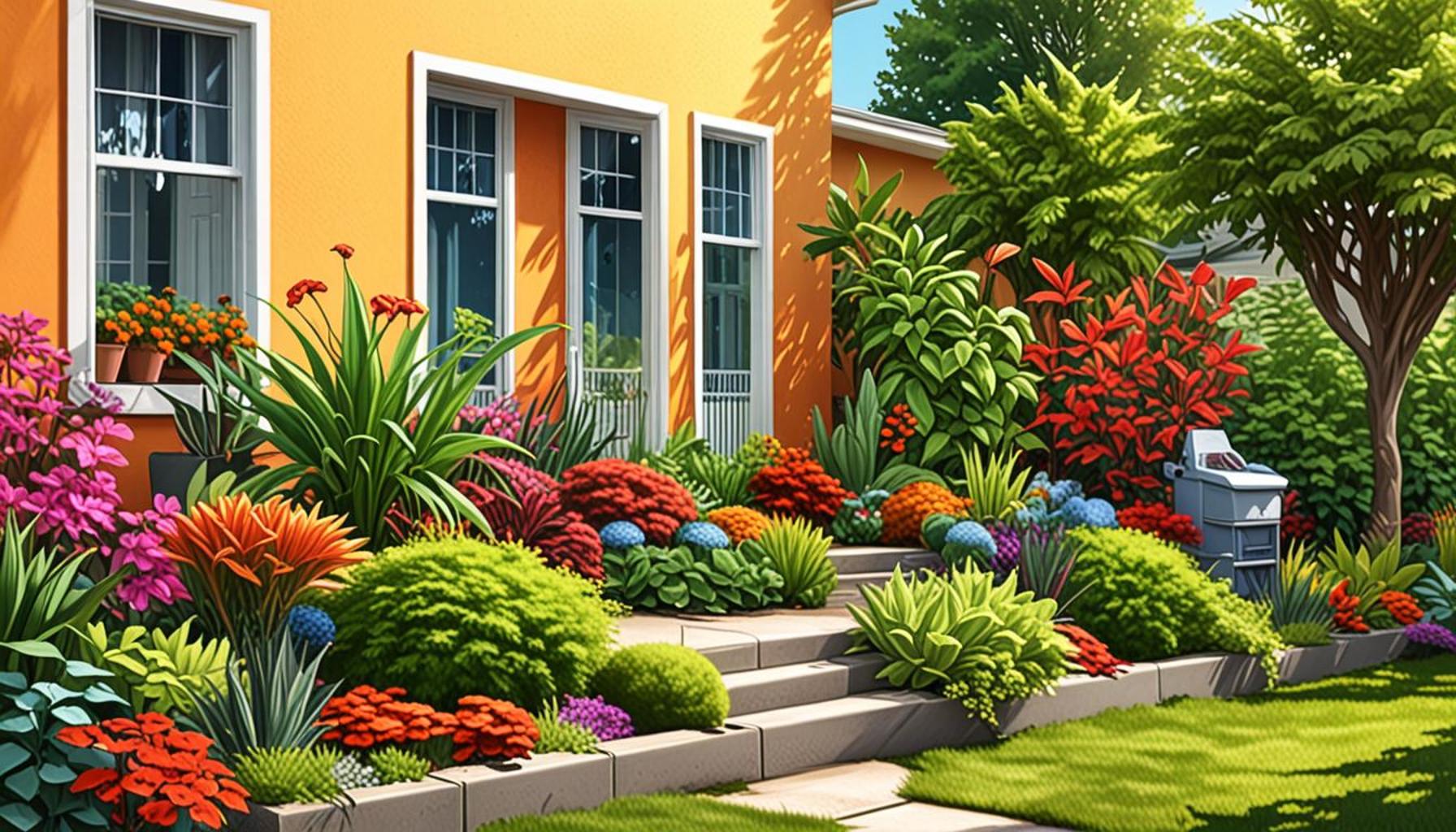
The Importance of Vegetation in Property Maintenance
Plants contribute significantly to the overall maintenance of a property’s exterior, far exceeding mere aesthetic value. In Nigeria, where the climate supports a rich variety of plant life, the role of vegetation extends into critical areas such as soil integrity, energy efficiency, and even pest management. This diverse environment presents both opportunities and challenges for homeowners and property managers tasked with maintaining their outdoor spaces.
Beneficial Aspects of Vegetation
Vegetation offers various benefits that can enhance property value and minimize maintenance activities:
- Soil stabilization: The root systems of trees and shrubs are vital for preventing soil erosion, particularly in regions prone to heavy rains, such as Lagos and Port Harcourt. These plants anchor the soil, reducing runoff and maintaining the integrity of slopes and landscaped areas.
- Shade and cooling: Trees provide significant shade, leading to lower temperatures around buildings. This natural cooling effect can dramatically decrease cooling costs during the hot season, impacting overall energy consumption.
- Aesthetic appeal: Well-maintained gardens, lawns, and green spaces can enhance the attractiveness of a property. Beautiful landscapes not only elevate the outdoor experience but can also significantly increase property values, particularly in suburban areas where curb appeal is essential for potential buyers.
Potential Detrimental Effects
However, vegetation can also pose certain risks to property maintenance that cannot be ignored:
- Damage to foundations: Some plants, particularly those with aggressive root systems like bamboo or certain species of rubber trees, can infiltrate cracks in foundations or pavements, leading to structural damage over time.
- Clogging drainage systems: Overgrown plants and shrubs can impede the proper functioning of gutters and drainage systems. In urban areas, this can result in flooded streets during heavy rains, posing hazards for both property and pedestrian safety.
- Increased pests: Dense foliage can create a haven for pests such as mosquitoes and rodents. This can not only affect the health of your plants but can also lead to discomfort and health risks for residents.
Balancing these beneficial and detrimental aspects is paramount for effective property management. By engaging in proactive vegetation management, property owners can leverage the positives—like energy efficiency and soil integrity—while mitigating issues such as pest infestations and structural damage. It is essential to be educated about the specific plants that thrive in the local ecosystems and to strategize accordingly.
This holistic understanding of vegetation’s role can lead to a healthier, more sustainable outdoor environment. As we delve deeper into specific management techniques and the ecological impact of plant choices, we encourage readers to explore and investigate further into making informed decisions for their properties.
YOU MAY ALSO LIKE: Read read another article
Understanding the Characteristics of Local Vegetation
In Nigeria, the diversity of vegetation is as integral to property maintenance as it is to the environment. From tropical palms to resilient ground covers, the native flora offers a multitude of functions that can either benefit or detract from the upkeep of personal and commercial properties. Understanding these characteristics can empower property owners to make informed choices that optimize their outdoor spaces.
Indigenous Plants and Their Advantages
Utilizing indigenous plants presents numerous benefits that align with sustainable practices. Their ability to thrive within local climatic and soil conditions makes them low-maintenance options for landscaping. Here are some notable advantages:
- Adaptability: Indigenous plants have evolved to survive in Nigeria’s varied climates, reducing the need for excessive irrigation and fertilizers. Species like the African Baobab or Neem tree not only flourish under local weather patterns, but they also tolerate periods of drought, making them sustainable choices.
- Biodiversity Support: Native plants support local ecosystems by attracting beneficial insects and pollinators, such as bees and butterflies. By creating a natural habitat, they enhance biodiversity while minimizing the need for chemical pest control methods.
- Reduced Soil Erosion: Local grasses and shrubs play an essential role in maintaining soil health and reducing erosion, particularly in areas with sloped terrain. Their root systems bind the soil, which is crucial for preventing washouts during heavy rains.
Challenges Posed by Invasive Species
While certain plants provide a range of benefits, others can turn problematic. Invasive species can disrupt local ecosystems and pose risks to property maintenance:
- Excessive Growth: Some invasive plants, such as the Giant Sensitive Plant (Mimosa pigra), can grow uncontrollably, leading to overgrowth that obstructs walkways, clogs drainage systems, and can potentially damage structures.
- Pest Attraction: Non-native species may also attract pests that damage local flora. For instance, certain ornamental plants can provide a breeding ground for insects like aphids, ultimately harming surrounding plants.
- Resource Competition: Invasive plants often outcompete indigenous ones for nutrients and water, which can degrade overall land health. A property that hosts numerous invasive species will require heightened maintenance efforts to restore balance and health in the landscape.
By educating themselves about local vegetation and its characteristics, property owners can implement landscaping practices that capitalize on the benefits while minimizing drawbacks. The harmony between plants and property maintenance hinges on making choices that foster sustainability, beauty, and functionality within the outdoor living space.
In the following sections, we will explore essential strategies for enhancing property maintenance through effective vegetation management. Through exploring various techniques, homeowners can recognize the pivotal role of responsible plant selection and care in preserving their property’s exterior.
The Influence of Vegetation on Exterior Maintenance: How Plants Can Help or Harm Your Property
Vegetation plays a pivotal role in the maintenance and aesthetic appeal of any property, influencing not just the visual elements but also practical aspects of exterior care. To delve deeper, it’s essential to recognize specific categories of plant influence:
| Category | Details |
|---|---|
| Plant Selection | Choosing appropriate plants can enhance curb appeal and provide natural insulation. |
| Pest Control | Certain vegetation can act as a barrier against pests, while others may attract them. |
| Soil Erosion | Ground cover plants can minimize soil erosion on sloped properties. |
| Water Drainage | Strategically placing vegetation can improve drainage and prevent flooding. |
Properly selected and maintained greenery can greatly reduce the need for harsh chemicals, thereby promoting a more sustainable environment. For instance, native plants are often more resilient and require less maintenance, ultimately benefiting not just your property but also the local ecosystem.However, it’s not all positive; certain plants can lead to significant exterior maintenance challenges. Fast-growing species may clog gutters, while invasive plants can overrun gardens, damaging hardscaping. Therefore, recognizing the dual-edged sword of vegetation is crucial for property owners. Educating yourself on both the benefits and potential drawbacks will lend insight into smarter landscape management strategies. Incorporating vegetation wisely in your property design can harmoniously blend beauty with functionality, paving the way for a more effective maintenance approach. Further exploration into the specific plants that align with your regional climate and installation techniques can yield remarkable improvements in exterior upkeep.
RECOMMENDED: Check out this similar article
Effective Vegetation Management Strategies
As property owners strive to create attractive and functional outdoor spaces, understanding effective vegetation management strategies is essential. By implementing these techniques, individuals can leverage the advantages of plants while mitigating potential downsides. Here are several practical strategies to consider:
1. Strategic Plant Placement
The strategic placement of plants can significantly enhance your property’s exterior while reducing maintenance demands. Assessing factors such as sunlight, moisture levels, and soil type will guide the selection and location of each plant. For instance, placing deep-rooted plants like Alstonia near areas with poor drainage can help stabilize soil and absorb excess water. Additionally, grouping plants with similar needs reduces watering frequency and allows for easy maintenance.
2. Regular Pruning and Maintenance
Ongoing care, such as pruning, is critical for maintaining the health and aesthetic of vegetation. Removing dead or overgrown branches not only elevates the visual appeal but also prevents plants from becoming overbearing, which can obstruct views or pathways. Consistent trimming of bushes such as the Hibiscus minimizes excessive growth, keeping them manageable and attractive.
3. Mulching for Soil Health
Mulching serves multiple purposes, including moisture retention, weed control, and temperature regulation. Applying organic mulch, like bark or straw, around plants conserves moisture and suppresses unwanted weeds that compete for nutrients. In Nigeria’s varied climates, mulching can enhance soil health while simultaneously reducing the need for chemical fertilizers. This not only promotes a healthier ecosystem but also supports the plants’ overall longevity.
4. Cultivating a Diverse Plant Environment
Diversity in plant selection is a hallmark of robust landscaping. By incorporating a mix of trees, shrubs, and ground covers, property owners can create a resilient ecosystem that thrives. For example, interspersing flowering species like the African Tulip Tree with drought-tolerant grasses can attract pollinators while ensuring sustainability. Optimizing biodiversity in your garden reduces susceptibility to pests and diseases, lessening the need for chemical interventions.
5. Soil Testing and Management
Healthy soil forms the foundation of thriving vegetation. Conducting a soil test can reveal essential nutrient levels and pH balance, informing which amendments may be required to optimize plant health. By incorporating organic matter—such as compost and well-rotted manure—into the soil, property owners can foster a nutrient-rich environment for plants. This not only enhances growth but also reduces dependency on synthetic fertilizers, leading to lower maintenance costs over time.
6. Education and Community Engagement
Engaging with local gardening communities or resources can offer valuable insights into best practices for vegetation management. Workshops and seminars may cover essential topics such as pest identification, indigenous plant benefits, and sustainable landscaping techniques specific to Nigeria. By tapping into this knowledge, property owners can create effective strategies for maintaining their outdoor spaces, enriching the community’s shared understanding while fostering environmental responsibility.
As property owners implement these effective vegetation management strategies, the impact of plants on exterior maintenance becomes increasingly clear. The careful selection and management of vegetation can create harmonious outdoor environments that bolster both aesthetic appeal and functional longevity.
ADDITIONAL INSIGHTS: Expand your understanding here
Conclusion: The Dual Role of Vegetation in Exterior Maintenance
In the intricate relationship between vegetation and exterior maintenance, property owners are presented with both opportunities and challenges. As we have explored, the right selection and management of plants can significantly enhance the beauty and functionality of outdoor spaces while streamlining maintenance requirements. One must recognize, however, that the same vegetation can equally pose drawbacks if neglected or improperly managed.
By embracing effective strategies such as strategic plant placement, regular maintenance, and soil health management, property owners can harness the beneficial aspects of greenery. For example, in Nigeria’s diverse climates, utilizing native species not only improves resilience but also fosters biodiversity, thus creating a more sustainable ecosystem. However, neglecting these considerations can lead to overgrowth, pests, and a host of maintenance challenges, highlighting the dual role vegetation plays in property upkeep.
Moreover, education and community engagement serve as indispensable tools in equipping property owners with the knowledge to make informed decisions. This focus on continuous learning and adaptation allows for a more nuanced approach to landscaping that prioritizes ecological balance and aesthetic appeal. As we move forward, recognizing the intricate balance between leveraging vegetation’s strengths and mitigating its potential harms will lead to outdoor environments that are as functional as they are beautiful.
Ultimately, the influence of vegetation on exterior maintenance should inspire property owners to explore innovative landscaping solutions, embracing the journey as an opportunity for creativity and environmental stewardship.