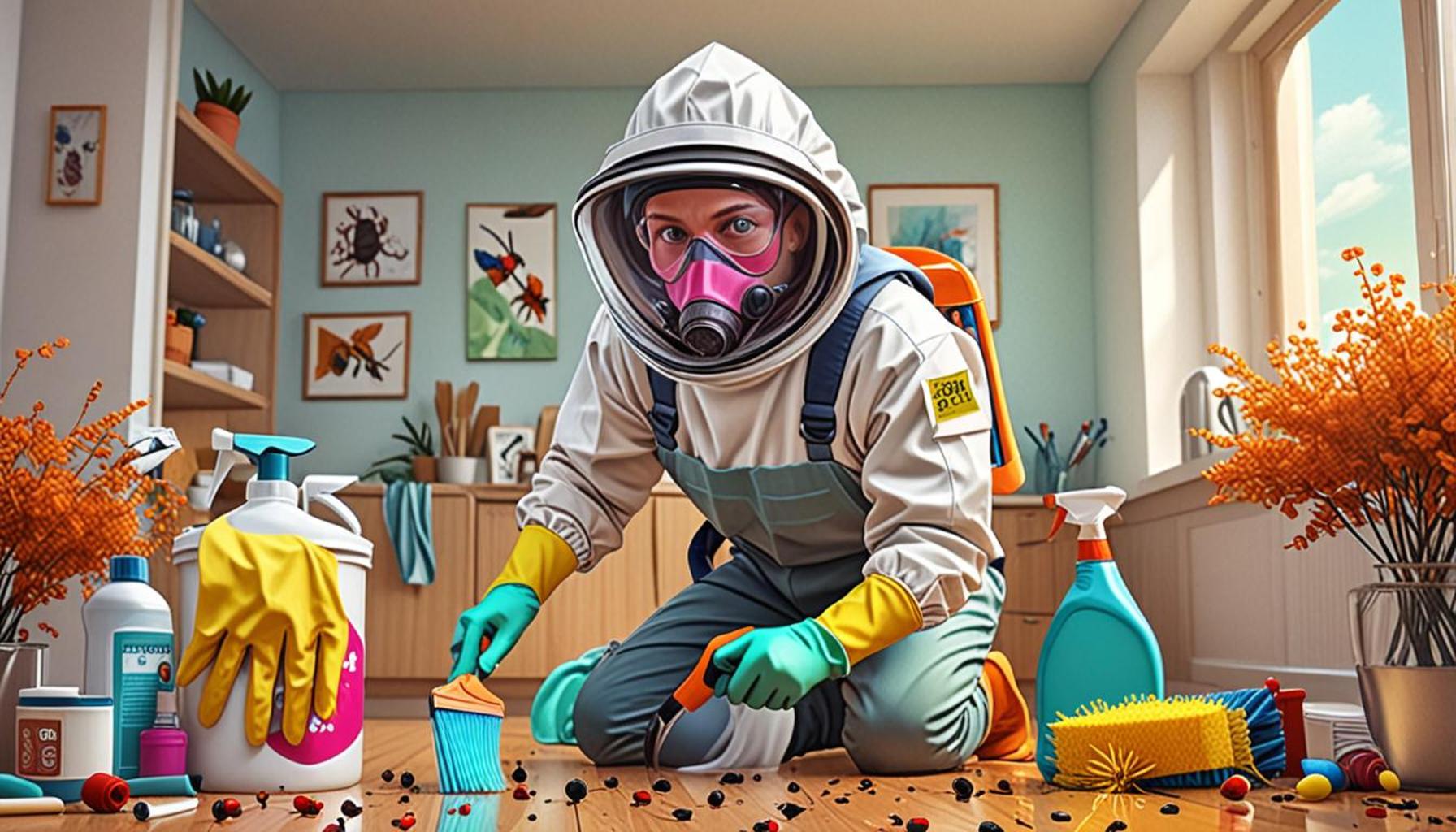
Integration of Technology in Pest Control: Modern Solutions for a Clean Home
Modern Solutions for Age-Old Problems
In a world where technology is rapidly advancing, pest control is undergoing a transformative phase. Homeowners are shifting towards innovative solutions that not only ensure effectiveness but also prioritize environmental safety. This evolution is particularly significant in Nigeria, where growing urbanization has intensified the need for efficient and sustainable pest management strategies.
Why Technology Matters
The advent of modern pest control technologies is reshaping how we think about eradication efforts. These advancements offer a multitude of benefits that significantly improve traditional methods:
- Precision: Targeted treatments, such as smart traps and pheromone lures, minimize the use of harmful chemicals. This approach can lead to healthier homes and ecosystems by reducing chemical runoff that can contaminate local water sources.
- Automation: Smart devices, like IoT-enabled pest monitors, can continuously track pest activity in real time, allowing homeowners to respond proactively rather than reactively. For example, a homeowner in Lagos can receive alerts on their smartphone when a pest is detected in their kitchen.
- Data-Driven: Utilizing advanced analytics to identify pest hotspots and emerging trends can greatly inform pest management strategies. By analyzing data patterns, pest control professionals can devise more effective interventions, specifically tailored to the unique pest issues present in diverse Nigerian regions.
Innovative pest control technologies are designed with specific challenges faced by Nigerian households in mind. In urban areas like Abuja and Port Harcourt, where urban infestations can become rampant, solutions such as compact electric traps perfectly cater to limited spaces. Furthermore, various regions in Nigeria face distinct pest challenges; for instance, households in the northern regions contend with termite infestations, while those in coastal areas may struggle with mosquitoes and other insects.
Additionally, education plays a crucial role in leveraging these technological advancements. Community outreach programs that educate homeowners about pest control technologies from local businesses encourage a collective approach to pest management, benefiting everyone involved. The integration of apps that provide pest identification and treatment advice can empower Nigerians to take control of their pest issues with informed choices.
As we delve deeper into the realm of technological innovation in pest control, it becomes clear that these advancements not only lead to cleaner homes but also foster healthier living environments. By exploring the intersection of technology and pest management, we uncover a path toward a pest-free future that is not only viable but essential for the well-being of communities across Nigeria.
SEE ALSO: Click here to read another article
Revolutionizing Pest Control Practices
The integration of technology in pest control brings forth modern solutions adapted to unique challenges posed by pest infestations in Nigerian homes. Traditional pest control methods often relied on broad-spectrum chemicals and one-size-fits-all strategies, which not only risked harming beneficial insects and the environment but also showed diminishing effectiveness over time. The shift towards high-tech solutions marks a significant step in pest management, providing not only efficiency but also sustainability.
Smart Pest Monitoring Solutions
One of the most promising advancements in pest control is the emergence of smart monitoring systems. These systems utilize IoT (Internet of Things) technology to continually track and notify homeowners of pest activity. For instance, devices equipped with sensors can monitor factors such as temperature and humidity—critical elements that affect pest breeding. A typical device in a Lagos home might alert the owner via mobile notification if moisture levels rise, potentially attracting pests like termites or cockroaches.
Innovative Trapping Techniques
In addition to monitoring, modern pest control has introduced innovative trapping methods that are more humane and effective. Smart traps equipped with motion sensors and cameras allow for more precise targeting. When a pest is caught, these devices send an alert to the homeowner’s smartphone, ensuring that responses can be timely and localized. This cuts down on unnecessary pesticide usage and helps maintain the integrity of the home environment, especially in densely populated urban areas.
Biotechnology: Nature Meets Tech
Emerging biotechnological approaches are reshaping pest management, paving the way for solutions that rely on the natural behaviors of pests. For example, researchers in Nigeria are developing bio-pesticides that use natural enemies to combat pest populations. Utilizing genetically modified organisms to disrupt pest life cycles can serve as a targeted, environmentally friendly method to control stubborn infestations, especially for common nuisances like locusts and rodents.
The Role of Apps in Pest Management
In the digital age, mobile applications are becoming invaluable tools for pest management. Some apps offer features such as pest identification, treatment recommendations, and even access to pest control professionals. For instance, a homeowner in Port Harcourt can take a picture of an insect and receive instant feedback on its species along with tailored advice for handling the situation. This democratization of information empowers Nigerians to be proactive in preventing infestations rather than simply reacting once a problem has developed.
As Nigerian households continue to embrace these modern solutions, the key to success will lie in understanding the specific challenges within each environment. Whether in urban centers or rural areas, technology empowers homeowners with tools to not only combat pests effectively but also promote a cleaner, healthier home atmosphere.
| Category | Description |
|---|---|
| Smart Traps | Utilizing advanced sensors and wireless technology, smart traps can detect and eliminate pests more efficiently, minimizing the need for chemical exterminants. |
| Data-Driven Solutions | By analyzing data on pest behavior and activity, services can deploy targeted strategies, ensuring a cleaner home with reduced pesticide exposure. |
In today’s world, integrating technology in pest control not only enhances efficiency but also focuses on maintaining a clean and safe environment. Smart traps represent a breakthrough that utilizes state-of-the-art sensors. This allows homeowners to monitor pest problems remotely and respond promptly, drastically reducing the dependency on traditional methods of pest control that often relied on harmful chemicals. The health implications of reducing chemical exposure cannot be overstated, especially in spaces where children and pets roam freely.Furthermore, the segment of data-driven solutions leverages advanced analytics to identify patterns in pest activity. By harnessing this information, pest control companies can tailor their approaches, employing targeted strategies that maximize effectiveness and minimize environmental impact. By embracing these innovations, households can achieve both a pest-free living space and a commitment to sustainability. The fusion of technology and pest management signifies a significant leap towards healthier living conditions and a more efficient extermination process.
YOU MAY ALSO LIKE: Read read another article
Enhancing Effectiveness with Data Analytics
Another paradigm shift in pest control is the application of data analytics. By harnessing vast amounts of data, pest control companies can create more targeted and effective strategies. In Nigeria, where pest prevalence can vary significantly by region and season, data-driven insights are vital. For instance, companies can analyze historical pest activity data to predict potential infestations and deploy preventive measures proactively. By understanding patterns and trends, pest management services can optimize their routes and treatment strategies, demonstrating a clear advantage over traditional methods.
AI-Driven Decision Making
The rise of artificial intelligence (AI) is revolutionizing many sectors, and pest control is no exception. AI algorithms can analyze data from various sources—including monitoring devices, weather forecasts, and pest biology studies—to recommend the most effective treatments for specific pest issues. For example, a pest control service in Abuja may use AI to decide the optimal time to treat for mosquitoes based on tropical storm patterns, significantly enhancing the effectiveness of their pest control measures. This level of sophistication not only leads to better outcomes but also reinforces a strategic, evidence-based approach to pest management.
Eco-Friendly Treatments through Nanotechnology
Nigeria is increasingly turning towards eco-friendly pest control solutions, and nanotechnology plays a pivotal role in this movement. Utilizing nanoparticles in pest control products can enhance the efficiency and potency of active ingredients while significantly lowering the amount required for treatment. For example, researchers are exploring the use of nano-sized formulations that can effectively target specific pests while being less harmful to non-target organisms and the environment. Such advancements serve the dual purpose of effectively managing pest infestations while minimizing ecological impact, capturing the growing eco-conscious mindset among Nigerians.
Automated Solutions for Daily Maintenance
The advent of automated solutions also streamlines pest management for homeowners. Automatic insect barriers and pest repellents can be set up to operate round-the-clock, ensuring continuous protection without the need for constant monitoring. Devices like ultrasonic pest repellents, which emit sound waves to deter rodents and insects, can provide an added layer of defense without the use of chemicals. This technological innovation offers effective pest control solutions that align well with the bustling lifestyles of urban dwellers in cities like Lagos, where time is often a luxury.
Educational Platforms and Training
Finally, the integration of technology in pest control extends to educational initiatives. Many companies are leveraging online platforms to educate homeowners about pest awareness and prevention strategies. By offering webinars, interactive courses, and detailed online resources, pest control businesses are empowering Nigerians with knowledge. Understanding the lifecycle of common pests, as well as effective DIY prevention methods, can help individuals take charge of their environments. This collaborative effort promotes responsible pest management practices and fosters a culture of prevention in communities.
As pest control technologies continue to evolve, homeowners and pest management professionals alike stand to benefit from these innovations. The prospect of a cleaner, healthier home is no longer a distant dream, but a tangible reality shaped by cutting-edge solutions specific to the Nigerian landscape.
ADDITIONAL INSIGHTS: Expand your understanding here
Conclusion
In the ever-evolving landscape of pest management, the integration of technology has emerged as a game changer, offering Nigeria’s homeowners a comprehensive toolbox to achieve a cleaner, healthier living environment. From data analytics that inform targeted interventions to the sophisticated capabilities of artificial intelligence for refined decision-making, the modern pest control strategies in Nigeria are far more efficient than traditional methods. The growing emphasis on eco-friendly treatments through innovations like nanotechnology reflects the nation’s commitment to balancing effective pest management with environmental stewardship.
Furthermore, the introduction of automated solutions facilitates continuous protection tailored to the busy lifestyles of urban dwellers, while educational platforms provide essential knowledge empowering homeowners to take proactive measures against pest infestations. This holistic approach marks a significant departure from reactive pest management towards a more informed, preventive strategy.
As Nigerian neighborhoods become increasingly reliant on these advanced technologies, it is imperative to stay informed and engaged with ongoing developments in the pest control sector. Embracing these innovations not only enhances household comfort but also nurtures a broader culture of sustainability and health. Thus, the prospect of using technology to combat pests represents not just an avenue for pest control but a vision for a cleaner, brighter future in which our homes are safeguarded against unwelcome invaders.