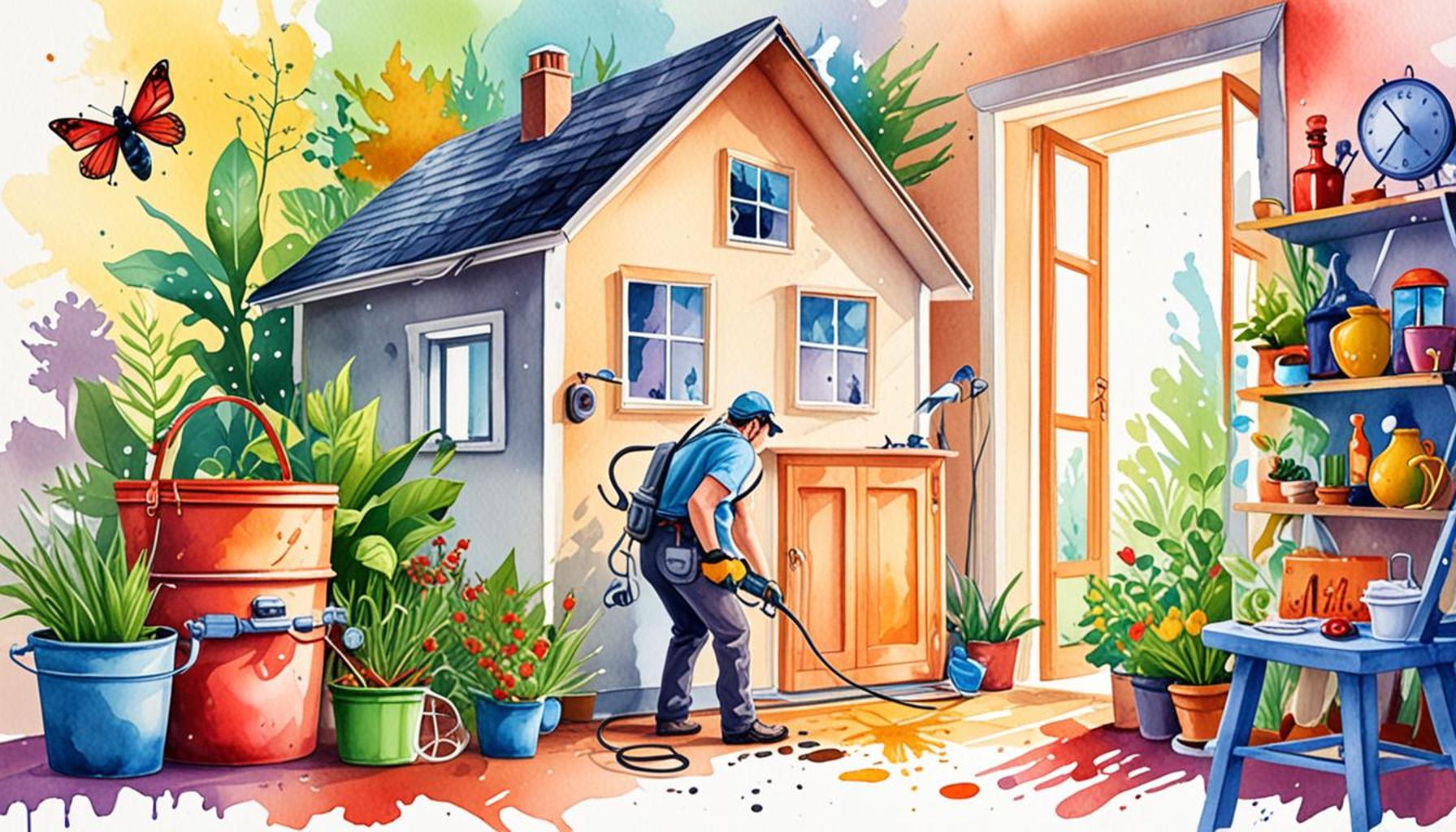
How to Create an Unfavorable Environment for Pests: Maintenance and Cleaning Tips
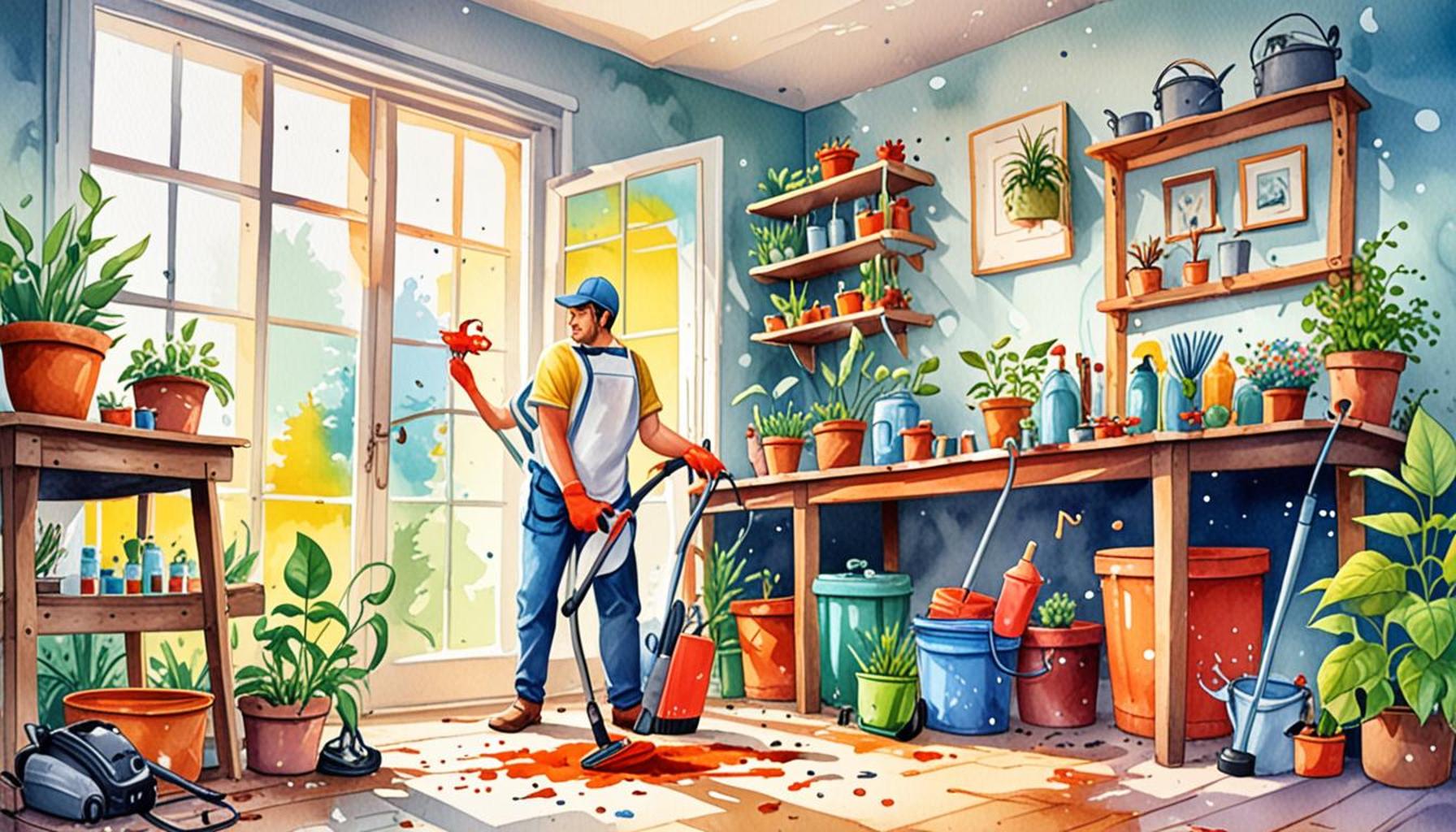
Understanding the Threat of Household Pests
Pests can swiftly become unwelcome visitors in our homes, causing not only inconvenience but also health concerns. The key to effective pest control lies in prevention. By creating an unfavorable environment for pests, you can significantly reduce their chances of infesting your space, making your home feel safer and more comfortable.
Understanding the habits of common pests is the first step. Here are a few types that often lurk in Nigerian households:
- Termites: These wood-destroying insects thrive in wooden structures and damp areas. In Nigeria, where many homes are made of timber, damp wood can become a breeding ground for these pests, leading to significant structural damage if not addressed promptly.
- Rodents: Rats and mice are attracted to food sources and cluttered spaces. Nigerian kitchens, often filled with various cereals and grains, can unknowingly become a buffet for these rodents. Their presence poses risks not just in terms of property damage but also health hazards like leptospirosis and hantavirus.
- Cockroaches: Known for their uncanny resilience, cockroaches prefer warm, dark places with easy access to food. They are notorious for spreading allergens and pathogens, making it crucial to keep track of their movements and eliminate them as soon as they are spotted.
By maintaining cleanliness and employing strategic measures, you can turn your home into a pest-repellent fortress. Here are some effective maintenance and cleaning tips:
- Regularly sweep and vacuum to eliminate crumbs and food remnants. In addition to traditional cleaning methods, consider using a damp cloth to wipe surfaces, as this can help pick up tiny particles that might attract pests.
- Seal cracks and gaps in walls and around doors and windows to prevent entry. Using silicone caulk for holes and installing door sweeps can make it much harder for pests to invade your space.
- Store food in airtight containers to avoid attracting pests. Consider reserving a specific shelf for pantry items and regularly check for expired products, which can further entice pests.
Moreover, regular upkeep of your outdoor areas can be just as important. Keep your garden tidy, as overgrown vegetation and unkempt lawns can provide excellent shelter for pests. Implementing a solid plan for waste disposal, such as using tightly sealed bins, can also greatly reduce the likelihood of attracting unwelcome visitors.
Next, we will delve deeper into how regular upkeep can help ensure your living space remains pest-free, offering practical advice tailored to the local context. This can not only enhance your quality of life but also safeguard your health and property. Investing time and effort into preventing a pest infestation is far more manageable and cost-effective than dealing with an outbreak after the fact.
RECOMMENDED: Check out this similar article
Essential Cleaning Practices to Deter Pests
Creating an unfavorable environment for pests begins with implementing rigorous cleaning practices in your home. In Nigeria, where the tropical climate can inadvertently aid pest proliferation, an effective cleaning regime is not merely advisable; it is essential. Here are some key strategies to maintain a pest-free home:
- Focus on Proper Food Storage: It’s vital to store food items in sealed containers. Whether it’s rice, beans, or dried fruits, airtight bins will help prevent access to these food sources, deterring pests like cockroaches and rodents. Additionally, regularly check the pantry for expired products, as these can attract unwanted guests.
- Prioritize Regular Waste Disposal: Establish a routine for taking out the trash to prevent odors and food residue from attracting pests. Use bins with tight-fitting lids, and consider utilizing a compost bin for organic waste, ensuring it is also well-sealed.
- Deep Clean Often: Regular sweeping and vacuuming can significantly reduce crumbs that may lure pests. Wipe countertops with a damp cloth to catch microscopic food particles, ensuring surfaces remain clean and sanitary. Pay attention to hidden areas where crumbs often accumulate, such as under the refrigerator and stove.
Additionally, making regular investments in your cleaning supplies is key. Opt for strong disinfectants and insect repellents that are safe for home use. Natural solutions like vinegar and baking soda can also be potent allies in your cleaning arsenal, serving to repel some common pests without the harsh chemicals. When cleaning, be thorough in areas that are often overlooked – behind appliances, inside cabinets, and other nooks where pests might establish their presence.
Furthermore, consider the power of seasonal cleaning. Implement a thorough cleaning routine at the start of each rainy season, as this can help identify moist areas that may attract pests like termites. Clearing out gutters and downspouts can prevent water accumulation around your home, which is a prime breeding ground for mosquitoes and other insects.
Lastly, take a mindful approach to your garden and outdoor spaces. If you have a garden, ensure that it is well-maintained and not overgrown. Weeds and excess foliage can provide habitat and shelter for pests. Keeping your yard clean not only enhances curb appeal but also diminishes the risk of pest invasions.
In summary, by adopting these maintenance and cleaning tips, you can significantly reduce the likelihood of a pest invasion in your home. The effort you put into maintaining a clean and organized living space will pay dividends in health and peace of mind, making your home a less enticing location for those unwelcome pests.
Creating an unfavorable environment for pests begins with a strong emphasis on maintenance and cleaning practices in your home or business. Regular cleaning is essential. Areas where food debris and waste accumulate provide an ideal environment for pests to thrive. Ensuring that surfaces are clean, and that spills are promptly addressed, significantly reduces the chances of attracting pests.
Additionally, consider the importance of decluttering. Pests love to hide in boxes, old papers, and cluttered spaces. By keeping your space organized and minimizing clutter, you eliminate potential hiding spots for rodents and insects. Utilize airtight containers for food storage and regularly dispose of waste to reduce scent trails that attract these unwanted visitors.
Furthermore, it’s crucial to seal entry points. Inspect your home for cracks, gaps, or holes in walls, windows, and doors. Pests can enter through even the smallest openings. Using caulk or weather stripping effectively blocks their pathways. This simple maintenance step can significantly diminish the likelihood of infestations.
In addition to cleaning, regular inspections are vital. Conduct routine checks in attics, basements, and outdoors to identify signs of pests early. Early detection enables swift action, which is key to preventing extensive damage and infestation. By integrating these comprehensive cleaning and maintenance strategies, you can establish a less inviting environment for pests, protecting your living space or business from infestations.
| Category | Advantages |
|---|---|
| Regular Cleaning | Reduces food sources for pests. |
| Decluttering | Eliminates hiding spots for pests. |
| Sealing Entry Points | Prevents pests from accessing your home. |
| Regular Inspections | Allows for early detection of infestations. |
By understanding these fundamental practices and incorporating them into your routine, you arm yourself with the knowledge to combat pests effectively. As you dive deeper into your cleaning and maintenance strategies, you’ll discover the essential role they play in establishing a pest-free environment.
YOU MAY ALSO LIKE: Read read another article
Prevention Techniques to Strengthen Your Defense Against Pests
While rigorous cleaning practices are essential in establishing a pest-unfriendly environment, preventative measures play an equally crucial role in safeguarding your home from unwanted guests. The focus should not only be on immediate cleanliness but also on identifying and addressing potential vulnerabilities that may attract pests over time. Here are several proactive strategies to bolster your defense:
- Seal Entry Points: To keep pests out, inspect your home for cracks and gaps in walls, windows, and doors. Small openings can be a gateway for pests like ants, rodents, and termites. Use caulk to seal these cracks and window screens to prevent entry while still allowing ventilation. Regularly check the seals around your windows and doors to ensure they remain intact and effective.
- Maintain Plumbing and Drainage: Leaky pipes and standing water are prime spots for pests to breed, particularly mosquitoes. Regularly check for plumbing leaks in kitchens and bathrooms, and ensure that all sinks, bathtubs, and toilets are functioning properly. Clear away any blockages in drains to prevent water accumulation, as these can provide an inviting habitat for pests.
- Monitor Indoor Climate: Pests thrive in humid environments. Utilizing dehumidifiers can help maintain optimal indoor humidity levels, ideally between 30-50%. This is particularly important in Nigeria’s humid atmosphere. Keeping your living spaces well-ventilated, especially in high humidity rooms like kitchens and bathrooms, can also mitigate pest attraction.
Incorporating natural pest control solutions can further enhance your strategy. Introducing plants such as citronella, which is known for repelling mosquitoes, or marigolds, which deter nematodes and certain beetles, can be a smart addition to your garden. These plants not only enhance the beauty of your surroundings but also work to keep unwanted pests at bay.
Another effective measure is the use of traps strategically placed in areas known for pest activity. For example, sticky traps can detect rodent activity and help monitor the extent of infestations. When using traps, ensure they complement your cleaning efforts; regularly checking and replacing them can provide immediate insight into pest presence.
Educate Yourself on Local Pests
In addition to physical preventative measures, understanding the local pest population is crucial for staying ahead of infestations. Research common pest behavior patterns, breeding seasons, and potential threats specific to your locality. In Nigeria, be particularly cognizant of notorious pests like termites, which are prevalent in many areas and can cause significant damage if left unchecked.
Consider attending local workshops or online forums where you can engage with pest control experts and learn about the latest trends in pest prevention techniques. Additionally, joining community groups that focus on sustainable living can provide useful insights into eco-friendly pest management solutions tailored to your region.
By integrating these prevention techniques into your property maintenance routine, you not only reduce the immediate attractiveness of your home to pests but create a long-lasting shield against potential infestations. These steps, when combined with the cleaning practices already discussed, comprise a comprehensive approach to making your home a fortified stronghold against all manor of pests.
SEE ALSO: Click here to read another article
Conclusion: Fortifying Your Home Against Pests
Creating an unfavorable environment for pests goes beyond mere cleaning; it is an ongoing commitment to proactive maintenance and vigilant monitoring. By implementing the strategies outlined throughout this article, you can significantly diminish the likelihood of pest invasions in your home. As we’ve discussed, maintaining proper hygiene, sealing entry points, managing humidity, and understanding local pest behaviors are essential components of an effective pest control plan.
Furthermore, the integration of natural deterrents like citronella and marigolds not only beautifies your garden but also adds an eco-friendly layer of defense against bothersome insects. The use of traps as monitoring tools empowers you to stay ahead of potential infestations, providing crucial insights before they escalate into more significant problems.
As residents of Nigeria, we face unique pest challenges given our climate and environment. By prioritizing local knowledge and engaging with community resources, you can strengthen your pest management efforts even further. Stay informed and proactive, as education is a powerful weapon in the battle against household pests.
Ultimately, the goal is to cultivate a lifestyle that inherently discourages pests, creating a peaceful haven in your home. By consistently applying these maintenance and cleaning tips, you not only protect your property but also contribute to a healthier living environment for your family. Embrace these practices today, and transform your home into a pest-free sanctuary.