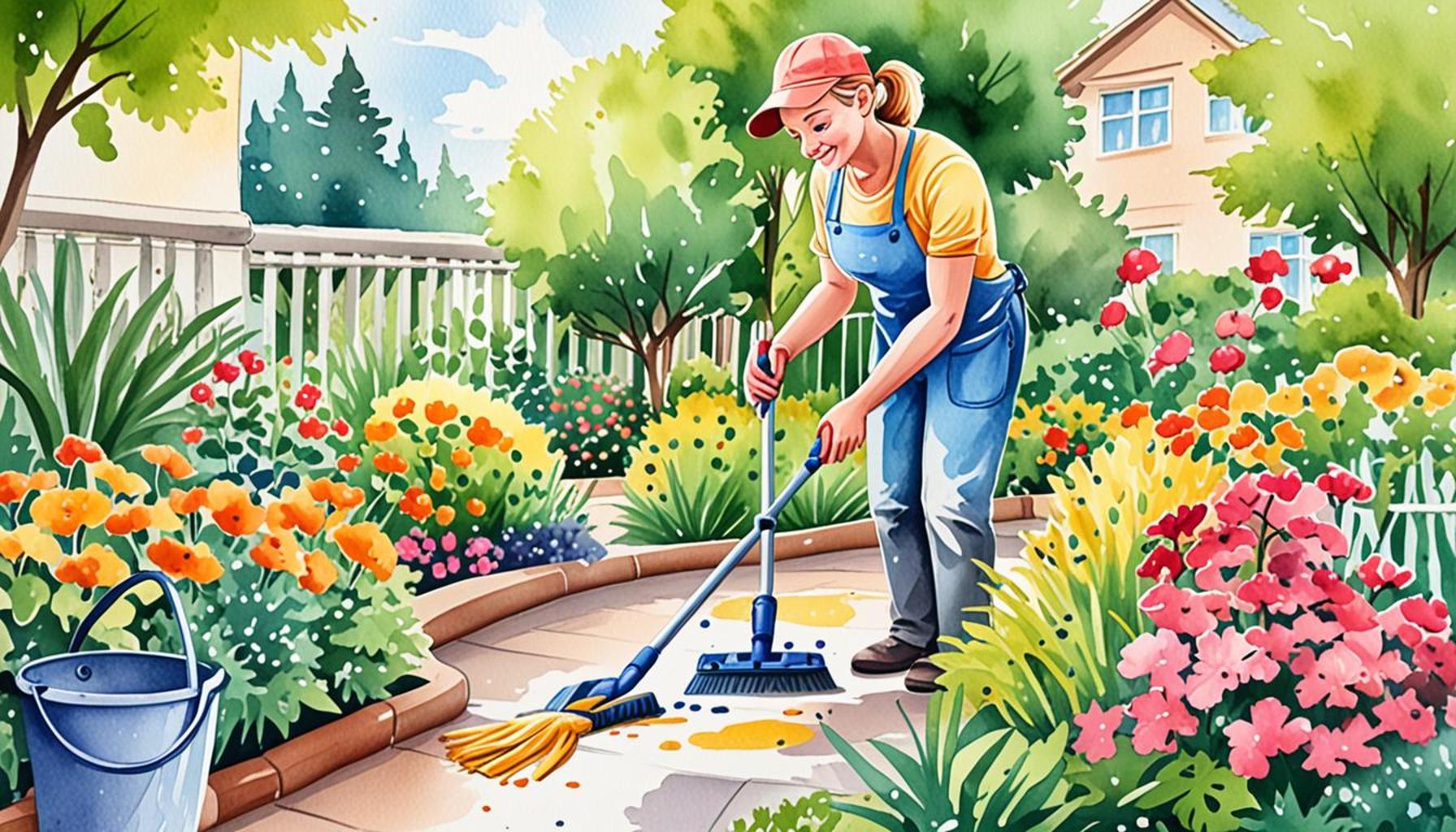
Effective Techniques for Facade Cleaning in Tropical Climates

The maintenance of building facades is crucial, especially in tropical climates where elements rapidly degrade surfaces. Regular cleaning not only enhances the aesthetic appeal but also extends the life of the materials used. In regions characterized by high humidity and intense sunlight, understanding effective cleaning techniques becomes essential for property owners and managers alike.
Using the right products and methods can significantly impact the durability of exterior finishes. Algae, mold, and dirt can accumulate more quickly in warm climates, leading to potential structural issues if not addressed timely. This article will guide you through some of the most effective strategies and solutions tailored to tropical conditions.
Get ready to discover the Top 5 techniques and products that can make facade maintenance more efficient and sustainable. Whether you are looking for eco-friendly options or high-powered solutions, our curated list aims to equip you with the knowledge needed to keep your property in optimal condition.
Top 5 Effective Techniques and Products for Cleaning and Maintaining Facades in Tropical Climates
The allure of tropical climates, with their lush landscapes and warm atmosphere, comes at a cost for building maintenance. One of the major challenges is maintaining the external façade of buildings, which bear the brunt of relentless humidity, intense sunlight, and sometimes even salty air. These elements can cause rapid degradation if not properly managed. In this article, we explore the top five effective techniques and products designed to keep facades in pristine condition while prolonging the lifespan of structures in these demanding environments.
5. Regular Visual Inspections
The importance of regular visual inspections cannot be overstated. This proactive approach enables property owners and managers to spot potential issues early on, thus allowing for timely intervention. In tropical climates, high humidity facilitates the growth of mold and algae, which can lead to discoloration and material degradation if not promptly addressed.
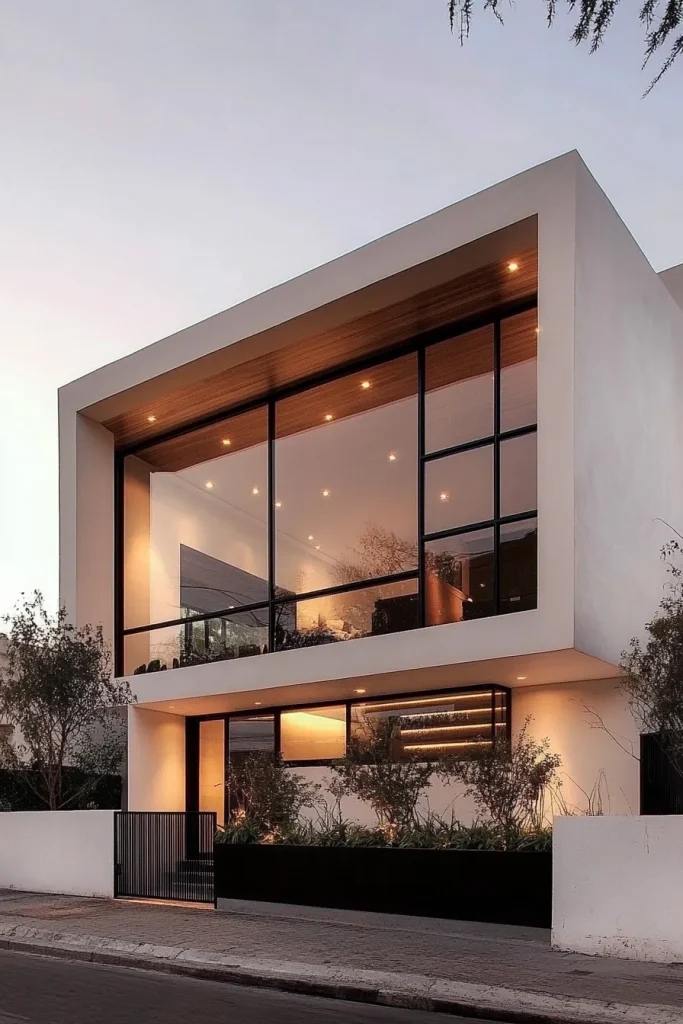
During inspections, consider doing more than just a cursory glance. Take note of specific issues, such as:
- Cracks or chips in the material: These may signal deeper structural issues or result from thermal expansion and contraction.
- Discoloration or stains: Look for patches that might indicate mold or algae, often appearing in areas with less sunlight exposure.
- Deterioration of paint or sealant: This is a key indicator that the protective layers have worn off and need replenishment to maintain the façade’s integrity.
By addressing these issues early, maintenance becomes more manageable and cost-effective, preventing larger repairs down the road and extending the life of building materials.
4. Eco-Friendly Cleaning Solutions
Maintaining cleanliness without harming the environment is crucial, especially in ecologically sensitive tropical regions. The use of eco-friendly cleaning solutions serves double duty—preserving the building’s façade and protecting the surrounding ecosystem.
Opt for gentle yet effective cleaning agents such as:
- Vinegar and water solution: Ideal for algae and mold removal, vinegar’s natural acidity breaks down growths without harsh chemicals.
- Baking soda paste: When mixed with water, this mild abrasive can tackle stubborn stains without harming the surface finish.
- Commercial green cleaner products: These are designed with sustainability in mind, offering tailor-made solutions for facade maintenance without compromising on cleaning power.
These eco-friendly options not only ensure thorough cleaning but also preserve the building materials, making them an integral part of sustainable property management.
3. High-Pressure Cleaning Equipment
High-pressure cleaning equipment is an effective tool for tackling tough grime, dirt, and organic buildup that occurs due to the humidity in tropical regions. When used correctly, these devices can rejuvenate facades, revealing the beauty beneath accumulated debris.
However, using a pressure washer requires caution to prevent damage. Here are some tips:
- Pressure settings: Adjust pressure levels according to the material—use lower settings for sensitive surfaces like stone or delicate woodwork.
- Nozzle distance: Maintain a safe distance to safeguard against wear and tear, typically starting at one foot away.
- Cleaning strategy: Always clean from top to bottom so that grime flows downwards, preventing residue from staining already cleaned areas.
This method helps ensure a uniformly clean appearance and can help fend off damage due to biological growth overrunning the building surface, keeping facades looking fresh and well-maintained.
2. Professional Maintenance Services
For complex or large-scale cleaning projects, hiring professional maintenance services can provide significant advantages. Experts come equipped with specialized tools and the knowledge needed for efficient and safe facade maintenance, particularly in high-rise buildings or structures with intricate designs.
Benefits of professional services include:
- Advanced techniques: Professionals utilize state-of-the-art methods such as steam cleaning and chemical treatments, which can be tailored to specific facade materials.
- Trained eye: Professionals often spot issues invisible to the untrained eye, which can lead to timely interventions and prevent long-term damage.
- Safety considerations: Working at heights poses risks; trained personnel reduce these hazards significantly.
Though it involves a higher initial investment, professional maintenance can curtail future expenses by prolonging façade life and reducing the frequency of major repairs.
1. Use of Protective Coatings
A fundamental strategy for long-term facade preservation in tropical climates is the use of protective coatings. These coatings act as barriers against the detrimental effects of moisture, UV rays, and pollutants, while inhibiting mold and algae growth.
To maximize the benefits of protective coatings, consider the following:
- Climate suitability: Choose coatings engineered for tropical conditions to withstand high humidity and intense sun exposure.
- Regular reapplication: Ensure adherence to manufacturer reapplication guidelines to maintain the coating’s effectiveness over time.
- Preparation: Clean surfaces thoroughly before application to guarantee optimal adhesion and functionality.
By investing in high-quality protective coatings, property owners can enhance both the durability and the visual appeal of their building facades, making this a cornerstone practice in maintenance regimes for tropical regions.
By integrating these five effective techniques and products into regular maintenance routines, property owners in tropical climates can protect against environmental challenges while also ensuring their facades remain attractive and structurally sound for years to come.
| Category | Details |
|---|---|
| Humidity Resistance | Products designed with high humidity resistance help in preventing mold and algae growth on building façades, common in tropical climates. |
| Eco-friendly Solutions | Many modern cleaning products offer eco-friendly formulations, ensuring minimal environmental impact while maximizing cleaning effectiveness. |
| Durability of Materials | Using materials with a long lifespan reduces the frequency of maintenance, saving time and resources in the long run. |
| Cost-Effectiveness | Investing in quality cleaning techniques may seem expensive initially, but their cost-effectiveness becomes apparent in reduced repair and maintenance costs. |
In tropical regions, where humidity is a persistent challenge, the selection of materials and cleaning agents is crucial. By utilizing products that excel in moisture resistance, property owners can prolong the visual appeal and longevity of their façades. These specialized products also incorporate advanced technologies designed to inhibit the development of organic growth, which is not only unsightly but can also degrade the building material over time.Taking a step further, the shift towards eco-friendly solutions in cleaning products aligns with a growing global consciousness about the environment. Many of these products do not compromise on effectiveness, proving that sustainability and quality can coexist. This trend encourages users to opt for solutions that actively protect the environment while ensuring impeccable clean surfaces.The durability of materials plays a significant role in façade maintenance. Selecting robust materials can mitigate the frequency of maintenance endeavors, allowing building owners to focus on more significant improvements. Moreover, the long-term resilience of these materials means fewer resources will be required to maintain their appearance and functionality, enhancing the overall value of the property.Lastly, while cost implications are always a concern for property managers, investing in proven techniques and high-quality products often leads to significant savings over time. By reducing the need for frequent applications or replacements, these methods not only lead to improved aesthetics but also streamline budget allocation towards more pressing renovation needs. Exploring the options available can lead to smarter decisions that uphold the integrity of buildings in harsh tropical climates.
Frequently Asked Questions: Effective Techniques and Products for Cleaning and Maintaining Facades in Tropical Climates
What are the main challenges of maintaining facades in tropical climates?
The key challenges include high humidity, intense sunlight, frequent rain, and the presence of salt and pollution in the air. These elements can lead to the accumulation of dirt, mold, and algae on facades. In tropical climates, the combination of these factors can accelerate the deterioration of building materials, necessitating regular and effective maintenance. Understanding the specific environmental threats in your region can help in choosing the right techniques and products for facade upkeep.
Which cleaning techniques are most effective for tropical environments?
In tropical environments, pressure washing is often employed for its effectiveness in removing dirt, mold, and algae from facades. However, caution is required to avoid damage to delicate surfaces. Another popular technique is the use of soft washing, which involves a combination of low-pressure water spray and specialized cleaning solutions designed to kill mold and algae without damaging the building materials. It’s important to assess the material of your facade to choose the most appropriate method.
Are there specific products recommended for facade maintenance in such climates?
Yes, there are products specifically designed to combat the environmental challenges faced in tropical climates. Fungicidal washes and algaecides are commonly used to treat and prevent biological growth on facades. Additionally, the use of water-repellent coatings can protect materials from moisture infiltration and UV damage. For long-term protection, opt for products that offer both protective benefits and facilitate easy future cleaning.
How often should facade cleaning and maintenance be performed in tropical areas?
The frequency of cleaning and maintenance depends on several factors, including the building material, local climatic conditions, and the building’s exposure to environmental pollutants. Generally, bi-annual cleaning is recommended to prevent the buildup of dirt and biological growth. In areas with heavy pollution or intense climatic conditions, more frequent maintenance may be necessary. Regular inspections can help determine the optimal maintenance schedule for your specific situation.
What precautions should be taken when cleaning and maintaining facades in tropical climates?
Safety is paramount when performing facade cleaning and maintenance. It’s essential to use appropriate safety equipment such as harnesses and helmets. When using chemicals, ensure that they are environmentally friendly and safe to use; always follow manufacturer guidelines to avoid damaging surfaces. Hiring professional services can provide expertise and ensure compliance with safety standards, reducing the risk of damage or accidents during the process.
Conclusion: Mastering Facade Care in Tropical Climates
The rapidly changing nature of tropical climates poses unique challenges for the maintenance and cleaning of building facades. This article explored a variety of strategies and products that are tailored to effectively address these challenges. By understanding the specific demands of such environments, homeowners and maintenance professionals can ensure the longevity and aesthetic appeal of facades.
Key Takeaways
- Traditional Techniques: High-pressure washing remains one of the most reliable methods for removing stubborn dirt and biological growth. Yet, its use must be balanced to prevent any damage to the facade materials.
- Innovative Products: The use of eco-friendly cleaning agents has gained momentum, offering effective results without harming the environment.
- Preventative Measures: Regular inspections and applying protective coatings are essential practices. They prevent the build-up of moisture and mold, which are prevalent in humid climates.
- Material-Specific Solutions: Tailoring the cleaning approach to specific facade materials like stone, brick, or metal can enhance cleaning efficiency and extend the lifespan of the structures.
- Professional Expertise: Engaging with experts in the field who understand local climatic factors can provide invaluable insights and ensure the most effective maintenance plan is executed.
The importance of facade maintenance in tropical climates cannot be overstated. It enhances the durability of a building and maintains its visual appeal in challenging conditions. As climate patterns continue to evolve, staying informed about effective cleaning and maintenance techniques becomes all the more crucial. By implementing the strategies discussed, homeowners can both protect their investments and contribute to the environmental well-being of their surroundings.