The Importance of Pest Control in Maintaining Healthy Home Environments
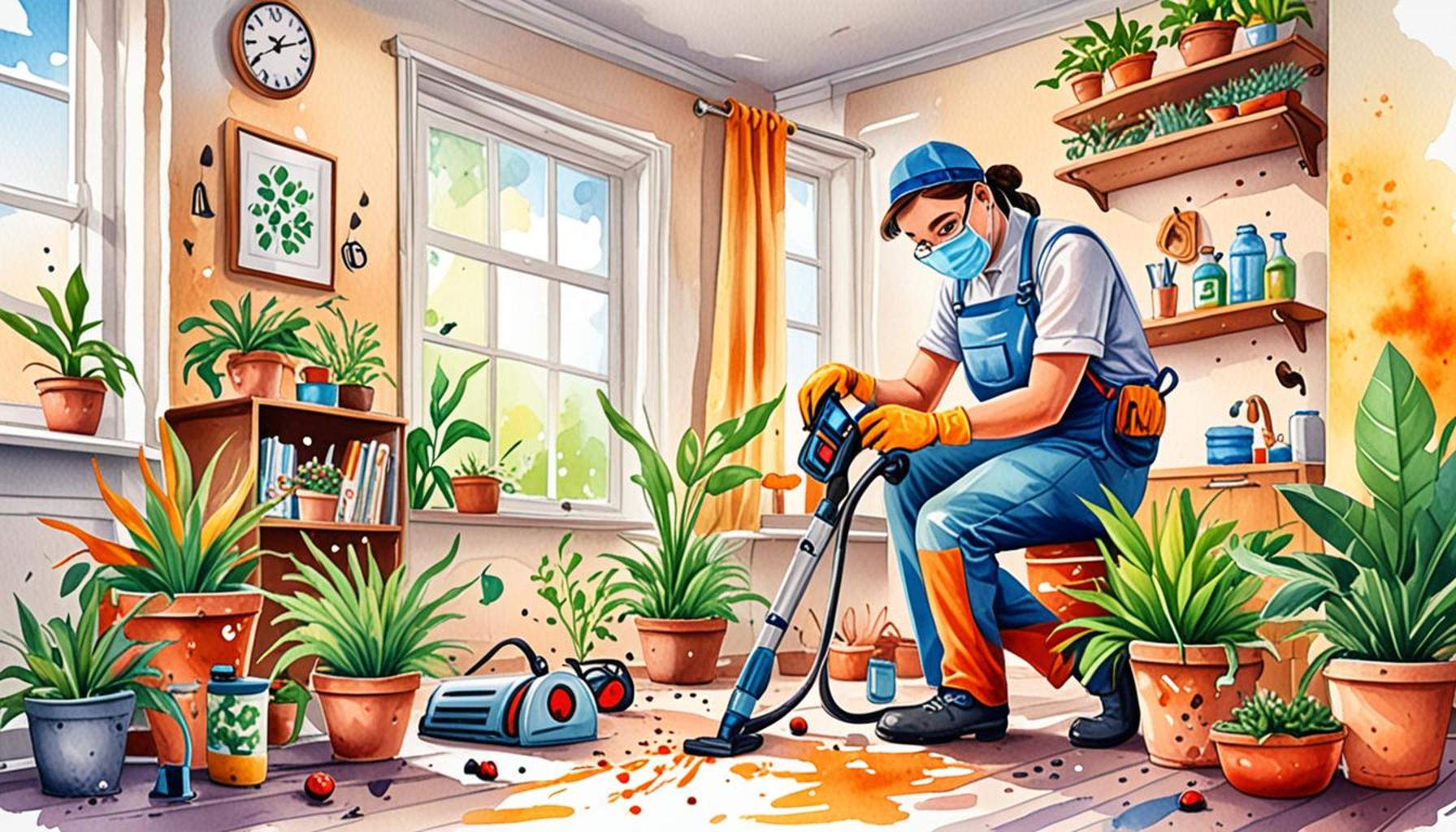
Understanding Pest Control
Pests are an unfortunate reality for many households, lurking in the shadows and often causing a range of health and environmental concerns. In Nigeria, various pests such as rodents, termites, mosquitoes, and cockroaches frequently invade homes, creating not only nuisances but also significant risks. These pests can compromise indoor air quality, spread diseases, and inflict structural damage to properties, underscoring the critical role that pest control plays in maintaining a safe and healthy living environment.
Why Pest Control Matters
The importance of pest control extends beyond simple extermination; it’s integral to preserving the well-being of a household. Below are some compelling reasons to consider pest management as a priority:
- Health Risks: Certain pests can be carriers of severe diseases. For instance, rodents can transmit Hantavirus, which can lead to respiratory issues, while mosquitoes are well-known vectors of malaria, a disease that accounts for thousands of fatalities in Nigeria annually. Additionally, cockroaches can trigger asthma and allergies in sensitive individuals.
- Property Damage: Termites are notorious for their ability to consume wood, potentially leading to significant structural damage. In urban areas like Lagos and Abuja, termite infestations can cost homeowners thousands of naira in repairs, making early detection and prevention essential.
- Food Safety: Pests do not only invade homes but also invade kitchens, contaminating food supplies. For instance, droppings from rodents can contaminate grains and produce, posing health risks to families and pets alike. In a country where food safety is paramount, managing pests is a critical concern.
The repercussions of pest invasions go far beyond mere inconvenience. Their presence can endanger not only your family’s health but also the integrity of your home. Hence, implementing effective pest control strategies is crucial in fostering a secure and pleasant living space.
Steps to Effective Pest Control
Effectively managing pest invasions requires a multi-faceted approach. Consider the following strategies:
- Regular Inspections: Conduct routine checks in potential breeding grounds, such as kitchens, basements, and attics. Look for signs of pest activity, including droppings or nest buildups. Catching infestations early can prevent more significant issues down the line.
- Preventive Measures: Maintain high levels of cleanliness by routinely disposing of trash, sealing food containers, and cleaning up spills immediately. Additionally, sealing cracks and crevices will help reduce entry points for pests. Simple actions like these can significantly lower the risk of pest infestations.
- Professional Help: For persistent or severe infestations, enlisting the services of certified pest control professionals is advisable. Many companies in Nigeria offer integrated pest management solutions that utilize safe and effective measures tailored to local conditions.
By understanding these facets of pest control, you not only protect your home but also contribute to a healthier community overall. Pest management is a proactive investment that can ultimately lead to peace of mind and improved overall quality of life. Explore the myriad of resources available on pest control and learn how straightforward practices can cultivate a pest-free environment for you and your family.

YOU MAY ALSO LIKE: Read read another article
The Impact of Pests on Home Environments
Pests can infiltrate your home before you even notice their presence, setting the stage for an array of issues that can disrupt your family’s health and comfort. The risks posed by pests, ranging from disease transmission to property damage, make understanding and addressing pest control paramount. In Nigeria, where living conditions can often be impacted by climate and urbanization, the importance of pest control cannot be overstated.
Pest-Linked Diseases: A Serious Concern
The World Health Organization highlights that vector-borne diseases, predominantly transmitted by pests like mosquitoes and rodents, represent a significant health risk in many tropical regions, including Nigeria. Mosquitoes, for example, are notorious carriers of malaria, a disease that wreaks havoc across the nation and imposes a heavy burden on public health systems. According to the Nigeria Center for Disease Control, malaria remains a leading cause of morbidity and mortality, especially among children under five.
Rodents, too, present severe health risks—they can transmit diseases such as Leptospirosis and Salmonella, which can be ingested if food becomes contaminated by rodent droppings. Furthermore, allergens from cockroaches can exacerbate respiratory conditions like asthma, especially among younger children who are particularly vulnerable to such health issues. Ensuring pest control measures are in place not only safeguards your home but also protects the health of all who reside within.
The Financial Fallout of Infestations
Pest invasions can lead to devastating financial consequences for homeowners. In Nigeria, termites alone are responsible for billions of naira worth of damage to properties annually. With structures made of wood predominating in many houses, the risk of infestation becomes alarmingly high. Preventative pest control measures can save homeowners significant amounts in potential repair costs after damage has occurred. Moreover, the disruption caused by pest infestations can lead to increased expenditures on both health and home repair, making proactive pest management an essential practice for sustainable living.
Crucial Steps Toward Effective Pest Management
To prevent and manage infestations, it is critical to adopt a holistic approach to pest control. Consider the following effective practices:
- Sanitation: Keeping living spaces clean is crucial. Regularly disposing of food waste, cleaning surfaces, and ensuring that food items are securely stored can significantly reduce attractants for pests.
- Physical Barriers: Use screens on windows and doors, and seal any openings in walls or foundations to create physical barriers that prevent pests from entering your home.
- Monitoring and Maintenance: Regularly inspect your property, especially areas prone to moisture such as kitchens and bathrooms, to catch any signs of pest activity early.
By embracing these essential pest management strategies, homeowners can establish a proactive stance against pests, thus ensuring a healthier environment. Ultimately, the journey to a pest-free home not only relies on eliminating existing problems but also on fostering habits that prevent future infestations.
| Advantage | Details |
|---|---|
| Health Benefits | Effective pest control reduces the risk of diseases transmitted by rodents, insects, and other pests. |
| Property Protection | Regular pest control protects your home and belongings from potential damage, maintaining property value and integrity. |
| Peace of Mind | Knowing your environment is pest-free provides homeowners with peace of mind and comfort. |
| Long-Term Cost Savings | Investing in pest control can prevent expensive repairs and health-related costs in the future. |
Understanding the importance of pest control in maintaining a healthy home environment is crucial. Pests not only pose threats to physical health but can lead to significant structural damage if left unchecked. A systematic approach to pest management not only secures your abode but also fosters a nurturing atmosphere conducive to well-being. By regularly addressing pest issues, homeowners protect their sanctuaries, ensuring that their living spaces remain safe, comfortable, and inviting. This leads to an enhanced quality of life, allowing families to thrive without the lurking threats posed by unwanted nuisances. Embracing proactive pest control measures undoubtedly plays a vital role in the holistic maintenance and health of your home.
YOU MAY ALSO LIKE: Read read another article
Long-Term Benefits of Proactive Pest Control Strategies
Investing in pest control not only prevents immediate issues but also contributes to long-term benefits that enhance the quality of life in your home. For many families, particularly in urban areas across Nigeria, ensuring a safe living environment is paramount. Control methods that are implemented early can reduce the risks associated with pest-related complications and create a more comfortable living atmosphere.
Enhancing Home Resale Value
One often-overlooked aspect of pest control is its impact on the resale value of your property. A house that has a history of pest infestations or damage can deter potential buyers. According to various real estate surveys, properties that have consistently undergone regular pest control are perceived as more valuable and maintain higher market prices. In regions where urban migration is prevalent, ensuring that your home stands out can be significantly beneficial. Thus, showcasing a pest-free home not only conveys a commitment to maintenance but also signals to prospective buyers that the property has been well cared for.
The Role of Integrated Pest Management (IPM)
Furthermore, adopting an Integrated Pest Management (IPM) approach is integral to effective pest control. IPM combines various strategies to minimize pest populations while reducing the impact on the environment. This approach typically includes:
- Biological Control: This method uses natural predators or parasites to keep pest populations in check. For example, introducing certain beneficial insects can help control pest populations while maintaining a balanced ecosystem within your garden.
- Cultural Practices: Modifying farming or household practices can reduce pest habitats. For instance, proper irrigation practices minimize water stagnation, which can be a breeding ground for mosquitoes.
- Chemical Control: When necessary, using pesticides in a safe and targeted manner is critical. Seeking professional advice to select appropriate, environmentally-friendly products can maximize effectiveness while minimizing harm to non-target species.
This knowledge empowers homeowners to make informed decisions about pest management that align with sustainable practices in Nigeria’s diverse ecosystems.
Pest Control and Psychological Well-Being
Apart from physical health, the psychological aspect of pest control should not be understated. Living in an environment plagued by pests can lead to stress, anxiety, and a reduced sense of comfort within one’s home. Research indicates that even the mere sight of pests, such as cockroaches or rats, can trigger feelings of fear or disgust. Achieving a pest-free home can bring peace of mind, allowing families to focus on enjoying their living space rather than stressing over potential infestations.
Moreover, the presence of pests can also create tensions within households. Clutter and unhygienic conditions are often associated with infestations, which can lead to conflict among family members regarding cleanliness. Taking proactive steps for pest control can foster a shared sense of responsibility and teamwork, enhancing family relationships and cohesion within the home.
Community Benefits of Pest Control Initiatives
On a broader scale, the benefits of effective pest control stretch beyond individual homes and into the community. Areas with low pest populations tend to enjoy better public health outcomes. When communities come together to advocate for pest management, they not only protect their homes but also contribute to the overall well-being of their neighborhoods. Programs that promote education about pest management can help raise awareness and encourage collective action, ultimately leading to fewer pest-related health issues in the community.
YOU MAY ALSO LIKE: Read read another article
Conclusion: Embracing Effective Pest Control for a Healthier Home
In conclusion, the significance of pest control in maintaining a healthy home environment cannot be overstated. From safeguarding physical health by preventing pest-related diseases to enhancing psychological well-being through the peace of mind that comes with a pest-free living space, regular pest management proves essential for all households in Nigeria. The role of Integrated Pest Management (IPM) further underscores the need for balanced, sustainable practices that tackle infestations while mitigating environmental impact.
Moreover, effective pest control practices extend beyond individual homes, fostering community wellness and shared responsibility. As households become proactive in managing pest issues, they contribute to reducing public health risks, which is crucial in densely populated urban regions. The economic benefits, such as improved property values and reduced repair costs, also highlight the necessity of a pest control strategy that is not only timely but also consistent.
As Nigerian families increasingly prioritize their health and quality of life, investing in pest control emerges as a vital component of home maintenance. By prioritizing a pest-free environment, we not only promote better living conditions for ourselves and our families but also pave the way for healthier communities. Encourage proactive measures and advocate for pest management initiatives that will ultimately enhance the well-being of both individual households and the larger community. With knowledge and action, a healthier home environment is within reach for everyone.