Practical tips for cleaning and maintaining appliances to ensure energy efficiency
Understanding the Importance of Appliance Maintenance
Maintaining your household appliances is essential not only for their longevity but also for enhancing energy efficiency. In a country like Nigeria, where energy is often a costly commodity due to unstable supply and rising prices, keeping your appliances running smoothly can lead to significant savings over time. By adopting a regimen of regular cleaning and thorough maintenance, you can facilitate optimal performance and reduce your electricity expenses.
One of the simplest yet most effective ways to ensure your appliances are functioning at their best is through regular cleaning. Dust and grime naturally accumulate on surfaces, especially in humid climates. For instance, air conditioners, which are a staple in many Nigerian homes, can become clogged with dust, which affects their cooling efficiency. A dirty air filter can reduce airflow and force the system to work harder, subsequently consuming more energy. Regularly cleaning these filters can maintain optimal airflow and, as a result, lower electricity costs.
Additionally, checking the condition of appliance seals is crucial. Poor seals on refrigerators or ovens are a common yet often overlooked issue that can lead to significant energy loss. For example, a refrigerator with worn-out door gaskets allows cold air to escape, making it work harder to maintain the desired temperature. Inspecting these seals for damage and ensuring they’re securely closed can help retain cooling efficiency and cut down on overall energy consumption.
Optimal Settings for Maximum Efficiency
Adjusting your appliances to optimal settings can contribute greatly to energy management. Many households in Nigeria operate washing machines during peak electricity hours, which can be costly. Instead, consider running these machines during off-peak hours when electricity tariffs are generally lower. Additionally, setting your refrigerator temperature to around 3°C (37°F) is sufficient; excessively cold settings waste energy without providing added benefits.
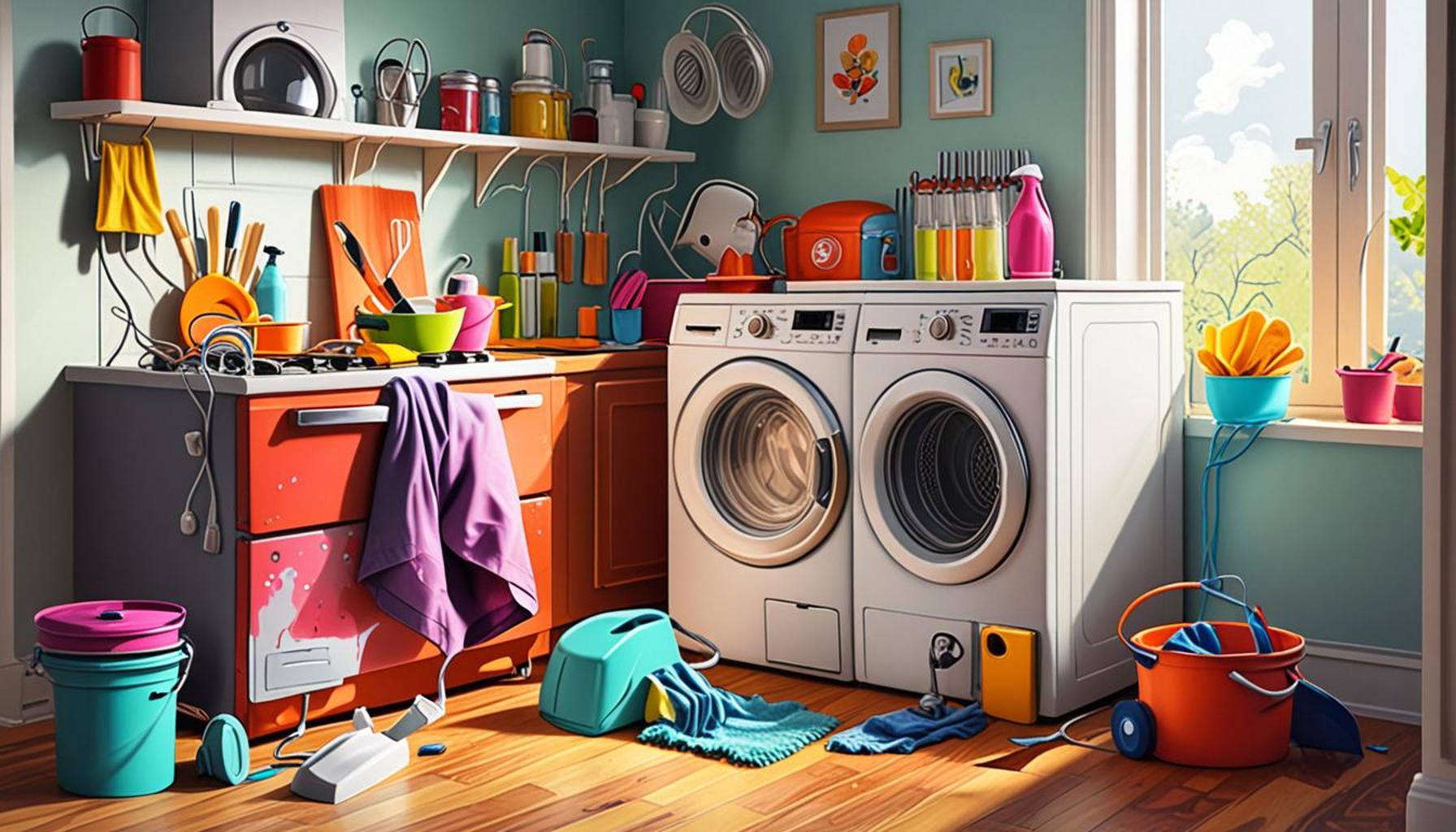
In Nigeria, where electricity supply can be erratic, investing time in manual maintenance can offer a peace of mind and extend appliance life. For example, washing machines often come equipped with self-cleaning cycles, but they still require some manual upkeep for hoses and connections to prevent leaks and ensure efficiency. Furthermore, doing preventive checks regularly can help identify and rectify potential issues before they escalate into costly repairs.
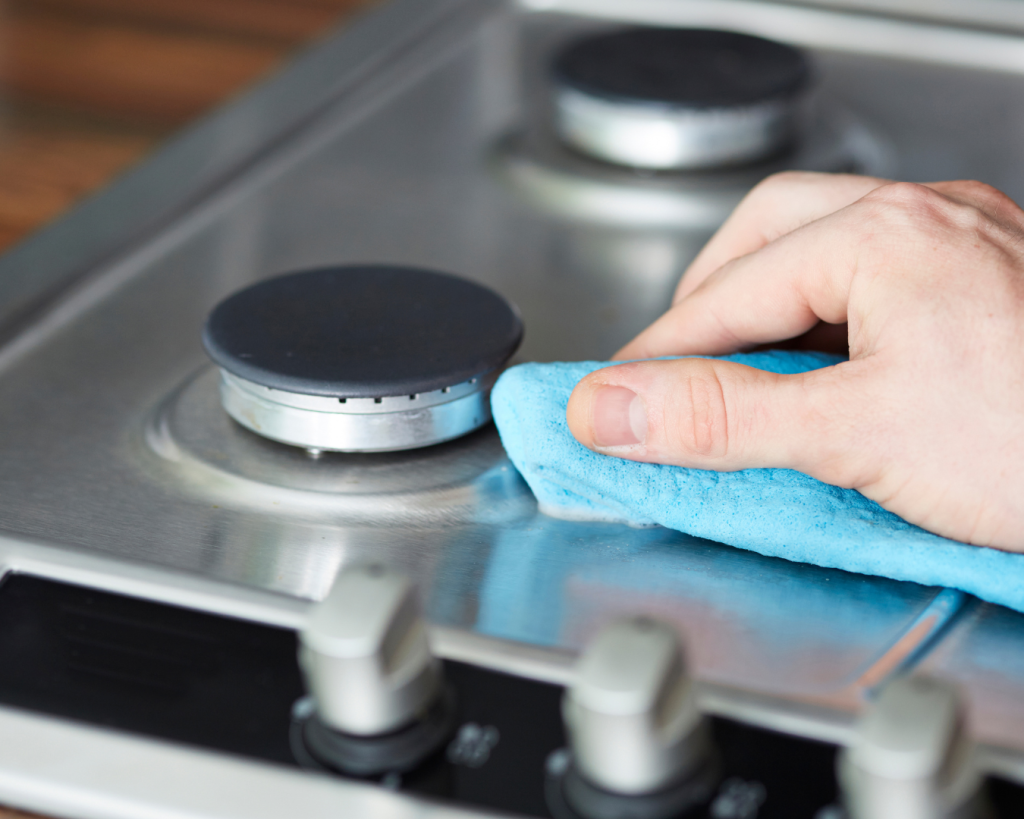
This article will explore a variety of practical strategies aimed at the specific needs of Nigerian households. From using energy-efficient models to incorporating simple maintenance practices, readers will discover how these small actions can combine to yield substantial savings. By committing to a lifestyle that prioritizes the care of your appliances, not only will you see a decrease in energy bills, but you’ll also contribute to a more sustainable living environment.
ADDITIONAL INSIGHTS: Expand your understanding here
Cleaning and Maintaining Your Appliances: Essential Tips
As the cost of energy continues to rise, the importance of maintaining household appliances cannot be overstated. In Nigeria, where electricity supply often fluctuates, ensuring that appliances run efficiently is not only wise for household budgeting but also beneficial to the environment. Here are some practical tips to help you clean and maintain your appliances effectively, thus maximizing energy efficiency.
1. Effective Cleaning Techniques
Regular cleaning of your appliances plays a vital role in their operational efficiency. Here are some useful cleaning practices to adopt:
- Refrigerators: Wipe down the interior at least once a month, and don’t forget to vacuum the coils at the back. Dust-covered coils cannot effectively dissipate heat, forcing the refrigerator to work harder and consume more energy.
- Washing Machines: After each use, leave the door open to prevent mold build-up, which can impair washing efficiency. Additionally, run a maintenance wash with vinegar and baking soda every few months to keep the drum clean.
- Air Conditioners: Clean or replace filters every month during the cooling season. A dirty filter restricts airflow, making the unit inefficient and costly to operate.
- Ovens: Use a mixture of baking soda and water to clean the interior surfaces. Resisting the urge to use chemical cleaners prevents harmful residue that can linger and affect heating efficiency.
2. Conduct Routine Inspections
Regular inspections can uncover potential issues that may escalate into costly repairs or energy inefficiencies. Here’s a checklist to follow:
- Inspect Electrical Cords: Look for frays or damage, as these can be fire hazards and can also affect appliance performance.
- Check Water Hoses: For washing machines and refrigerators with water dispensers, inspect hoses for leaks or cracks to prevent water wastage and enhance performance.
- Calibrate Thermostats: Ensure that the settings on your refrigerator, oven, and air conditioner are correctly calibrated. This calibration ensures that appliances are not overworking, which can ultimately save energy.
3. Optimize Appliance Usage
The way appliances are used can impact their efficiency significantly. For instance, it’s more energy-efficient to run dishwashers and washing machines with full loads rather than half loads. Utilizing energy-saving modes on washing machines and dishwashers can also lead to considerable electricity conservation. Additionally, using lids while cooking speeds up the process, thus reducing energy consumption significantly.
By implementing these practical cleaning and maintenance strategies, you can not only boost the lifespan of your appliances but also create a more energy-efficient home. These simple yet effective practices help in reducing energy costs, making them a smart investment for any Nigerian household.
| Cleaning Tip | Energy Efficiency Benefit |
|---|---|
| Regularly vacuum refrigerator coils | Improves cooling efficiency, reducing energy consumption by up to 30% |
| Clean dishwasher filters | Helps dishes wash cleaner and quicker, minimizing water usage |
| Defrost refrigerator/freezer regularly | Enhances it’s ability to maintain temperature effectively, preventing excess energy use |
| Wipe down appliance seals | Ensures a proper seal, maintaining optimal energy efficiency |
Cleaning and maintaining household appliances not only enhances their performance but also significantly impacts overall energy efficiency. Starting with your refrigerator, coils should be vacuumed at least once a year to eliminate dust buildup, which can cause your appliance to work harder and consume more energy. This simple task can lead to an impressive reduction in energy consumption of up to 30%.In the case of dishwashers, it’s crucial to frequently clean the filters to ensure that they perform tasks efficiently. A clean filter helps prevent malfunctioning, which could lead to using more water and energy. Defrosting your freezer is another essential practice; frost buildup can obstruct air circulation, making the appliance less efficient.Lastly, wiping down the seals of your appliances is a critical yet often neglected aspect of maintenance. A well-sealed appliance can maintain its temperature more effectively, ensuring that it uses less energy over time. Adopting these practices can lead to a noticeable reduction in utility bills while extending the lifespan of your appliances.
RECOMMENDED: Check out this similar article
Energy Efficiency Through Smart Maintenance Practices
In addition to cleaning your appliances and conducting routine inspections, implementing smart usage practices can significantly enhance energy efficiency in the home. Understanding how to use appliances correctly and efficiently can lead to substantial savings on electricity bills while prolonging the lifespan of your devices. Here are some strategic maintenance practices that can assist in achieving optimal appliance performance:
1. Proper Installation and Ventilation
The energy efficiency of appliances begins with proper installation. When installing your refrigerator, washing machine, or air conditioner, ensure that they are placed in well-ventilated areas. For instance, placing a refrigerator in a hot space can strain the compressor, leading to increased energy consumption. Similarly, air conditioners should not be obstructed by furniture or curtains, as this blocks airflow and forces the unit to work harder. Make sure that appliances are leveled and fit their designated spaces to minimize energy wastage.
2. Utilize Energy Star Rated Appliances
When it’s time to upgrade your appliances, consider purchasing energy-efficient models or those marked with the Energy Star label. These appliances are designed to consume less energy while performing the same tasks. In Nigeria, where many households rely on generators due to unstable electricity supply, investing in energy-efficient appliances can also lower fuel costs, creating a ripple effect of savings in the long run.
3. Encourage Family Participation in Maintenance
Energy efficiency is a team effort, and involving the entire family can make maintenance less burdensome and more effective. Educate family members on the importance of energy-saving habits. For example, encourage proper loading techniques for dishwashers and washing machines to avoid partial loads. Promote the habit of turning off appliances when they are not in use, particularly items that tend to consume phantom energy, such as microwaves and chargers. By creating a household energy-saving culture, you can extend the life of your appliances while decreasing household expenses.
4. Seasonal Maintenance Checks
Changing seasons can affect how appliances function, so it’s wise to perform seasonal maintenance checks. Before the warm months, ensure that your air conditioning units are cleaned and serviced to avoid any breakdowns during peak usage. Similarly, pre-winter inspections of your oven and heating appliances can help ensure they run smoothly when needed the most. Regular checks can help you mitigate potential energy losses during extreme weather conditions.
5. Educate Yourself on Local Energy Programs
Stay informed about local programs and initiatives aimed at promoting energy efficiency. Some local governments offer incentives, rebates, or educational seminars on best practices for energy usage. Participating in these programs not only equips you with more knowledge but can also provide financial benefits when upgrading to energy-efficient models or implementing sustainable practices.
Incorporating these smart maintenance practices into your routine can substantially enhance the energy efficiency of your household appliances. By making informed decisions about installation, usage, and upgrades, you can create a more efficient home environment that helps save money and energy.
YOU MAY ALSO LIKE: Read read another article
Conclusion: Embracing Energy Efficiency in Household Management
In today’s world, the significance of energy-efficient appliances cannot be overstated, particularly in Nigeria, where energy shortages are prevalent. By implementing practical tips for cleaning and maintaining your household appliances, you not only enhance their performance but also contribute to significant energy savings. A clean and well-maintained appliance operates more efficiently, reducing unnecessary energy consumption and lowering utility bills.
Remember, the journey towards greater energy efficiency starts with simple practices such as ensuring proper installation, utilizing energy-rated models, and fostering a culture of energy awareness among family members. Conducting seasonal maintenance checks and actively engaging with local energy programs can further amplify these efforts, echoing the commitment to sustainability and cost-effectiveness.
By investing time and effort into understanding and managing your appliances, you take essential steps toward a future where energy savings are prioritized. This not only benefits your wallet but also positively impacts the environment, illustrating how small actions can lead to larger changes. So, embrace these proactive maintenance strategies and lead your household towards a more energy-efficient and sustainable lifestyle. Explore further the numerous resources available online or in your community to stay updated on the latest energy-saving practices, and join the movement toward a more energy-conscious Nigeria.