Menu

The Importance of Proper Ventilation in Pest Prevention in Enclosed Environments

Proper ventilation is crucial in enclosed environments for pest prevention, enhancing air quality, controlling humidity, and disrupting pest habitats. By reducing moisture and improving airflow, effective ventilation minimizes the risk of infestations, promotes health, and offers economic benefits, making it an essential strategy for maintaining pest-free spaces.

The Impact of Climate Conditions on Pest Control and Cleaning

The article explores how climate conditions in Nigeria affect pest control and cleaning practices. Rising temperatures and changing rainfall patterns accelerate pest proliferation and disrupt sanitation efforts. Effective strategies like integrated pest management and advanced cleaning technologies are crucial for safeguarding public health and agricultural productivity amidst these evolving challenges.

How Choosing Eco-Friendly Cleaning Materials Can Improve Household Sanitation

The shift to eco-friendly cleaning materials is enhancing household sanitation by reducing harmful chemical exposure and improving indoor air quality. These sustainable alternatives not only protect health but also promote environmental responsibility. Embracing natural ingredients fosters healthier living spaces while supporting local economies and future generations.

Sanitation Practices in Multigenerational Families: Challenges and Solutions for Efficient Cleaning

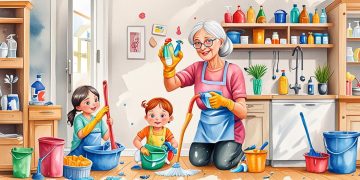
Multigenerational households in Nigeria face unique sanitation challenges due to varying age-related needs and shared living spaces. Effective cleaning solutions include establishing schedules, utilizing natural cleaning methods, and fostering open communication. By integrating traditional practices with innovative strategies, families can enhance hygiene and promote a culture of cleanliness for all generations.

Technological Innovations in Domestic Sanitation: Tools that Transform Cleaning and Maintenance

Technological innovations are transforming domestic sanitation in Nigeria, introducing smart cleaning devices, UV-C sanitizers, and eco-friendly solutions. These advancements enhance hygiene, streamline cleaning tasks, and promote healthier environments for families, highlighting the importance of adopting modern tools for effective cleaning and maintenance in urban settings.

The Importance of Sanitation Education for Children: Building Cleanliness Habits from Childhood

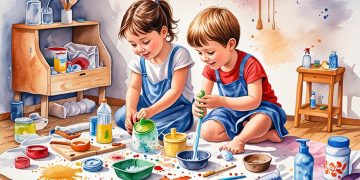
Sanitation education for children in Nigeria is vital for cultivating lifelong cleanliness habits. By teaching hygiene practices like handwashing and waste management, we can reduce disease spread, promote environmental awareness, and empower future citizens to take responsibility for their health and communities, ultimately fostering a healthier society.

How to Create a Cleaning Maintenance Schedule for the Home

Establishing a cleaning maintenance schedule is essential for a tidy home, enhancing both organization and quality of life. By assessing your cleaning needs, creating checklists, and leveraging technology, you can streamline tasks into manageable routines. Flexibility and natural solutions further enrich this process, promoting a harmonious living environment.

The Relationship Between Sanitation and Sustainability: How Cleanliness Contributes to a Greener Future

Sanitation is crucial for Nigeria’s sustainability, impacting health, environment, and economy. Improved sanitation systems reduce disease, promote eco-friendly practices, and boost economic growth. By fostering cleanliness, Nigeria can ensure a healthier population and a greener future while addressing urban challenges and enhancing public awareness.

Challenges of Cleaning in Urban Communities: Practical Solutions to Improve Sanitation in Low-Income Areas

The sanitation crisis in low-income urban communities, particularly in Nigeria, poses significant health risks. Key challenges include inadequate waste management and public awareness. Practical solutions like community engagement, innovative technologies, and public-private partnerships can enhance sanitation efforts, fostering healthier living conditions and improved public health outcomes.

The Importance of Regular Cleaning in Domestic Environments for Family Health

Regular cleaning in homes is essential for family health, preventing allergens, reducing germs, and promoting mental well-being. By prioritizing cleanliness, families can create safer living environments, reduce health risks, and foster community responsibility, ultimately enhancing overall quality of life amid urban challenges.