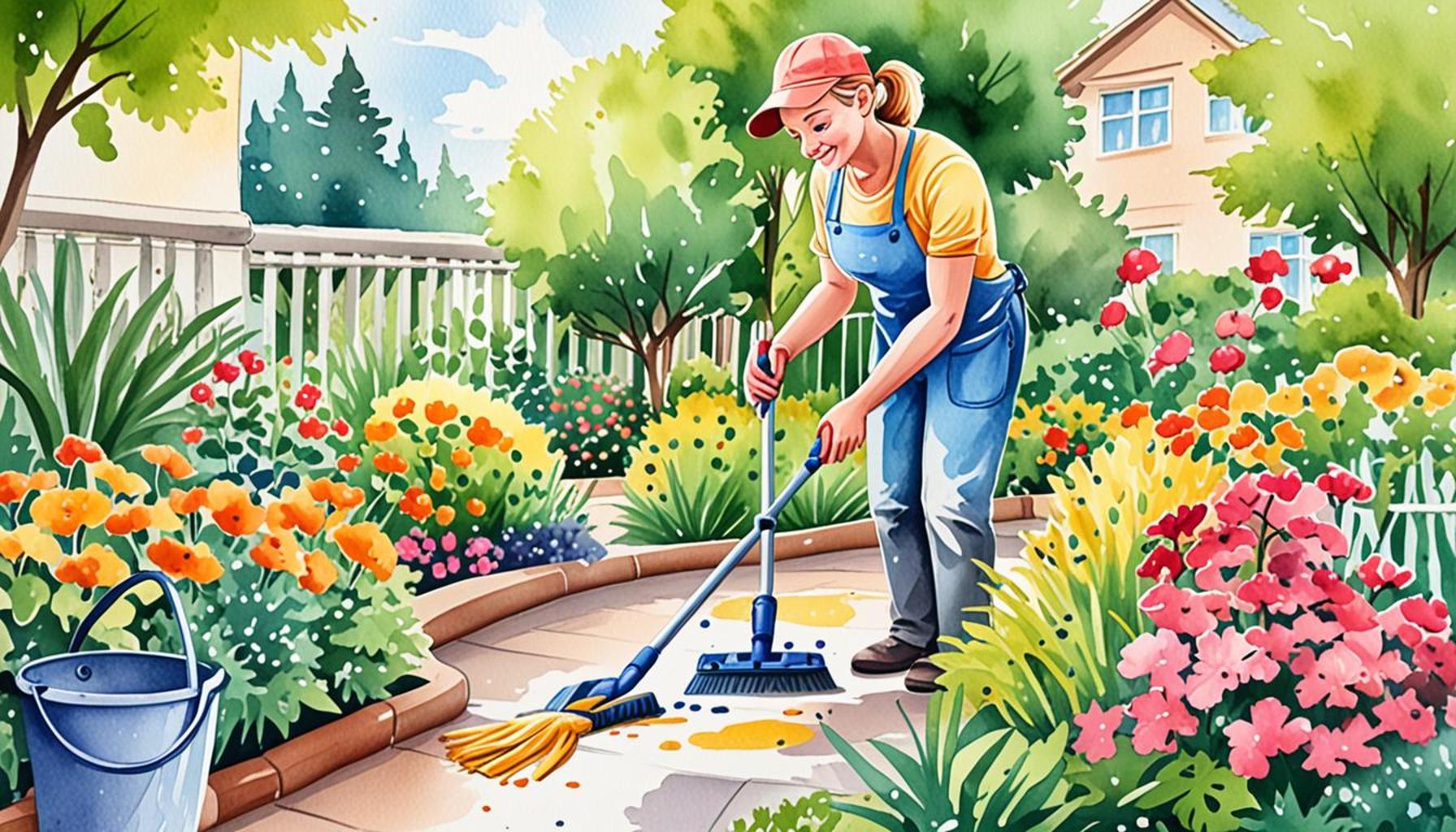
Ecological Cleaning Techniques for Outdoor Areas: Preserving the Environment while Caring for Your Home

Embracing Eco-Friendly Practices
Cleaning outdoor spaces is often necessary for maintaining aesthetically pleasing and functional environments; however, it can also lead to significant environmental concerns. Traditional cleaning products, laden with harsh chemicals, pose risks to local ecosystems and biodiversity. Fortunately, there are ecological cleaning techniques that provide effective alternatives, ensuring that our efforts to maintain cleanliness do not come at the cost of our planet’s health.
Why Choose Ecological Cleaning?
Adopting eco-friendly cleaning methods not only fosters a healthier living environment but also plays a crucial role in the preservation of our natural surroundings. Here are some compelling benefits of switching to ecological cleaning options:
- Reduced Chemical Pollution: By using biodegradable cleaning agents, we can significantly minimize the runoff of toxins into the soil and waterways. This is particularly important in areas with delicate aquatic ecosystems, as it helps protect fish and other wildlife.
- Sustainability: Eco-friendly practices promote the use of biodegradable materials that naturally break down and do not harm the environment. For example, vinegar, baking soda, and lemon juice can serve as effective cleaning agents that are safe for both our homes and the earth.
- Healthier Ecosystems: Upholding ecological cleaning methods protects not only beneficial insects such as bees and butterflies but also wildlife that plays vital roles in nutrient cycling and pollination, which are critical for food production.
Local Relevance
In Nigeria, where diverse climates—from the lush vegetation of the South to the arid conditions in the North—create unique cleaning challenges, the impact of ecological cleaning practices can be profound. Implementing these techniques not only benefits individual homes but also enhances community health and environmental stability. By engaging in eco-conscious cleaning, Nigerian residents can mitigate pollution associated with conventional cleaning products, leading to cleaner public spaces and improved air quality.
For instance, using natural cleaning solutions made from local ingredients ensures that communities support the economy while fostering sustainable habits. By opting for practices that are more attuned to Nigeria’s rich biodiversity, citizens contribute to a collective movement towards sustainability.
As we delve deeper into the various ecological cleaning techniques for outdoor areas, we’ll uncover methods that are not only effective but also easy to incorporate into daily life. Techniques such as composting organic waste and utilizing rainwater for cleaning can transform routine chores into eco-friendly practices. Get ready to adjust your cleaning habits while fully embracing a greener lifestyle!
CHECK OUT: Click here to explore more
Effective Ecological Cleaning Techniques
When it comes to cleaning outdoor areas, embracing ecological techniques doesn’t have to be complex. In fact, many of these methods are not only effective but also resourceful and cost-efficient. By incorporating natural cleaning solutions and eco-friendly practices, individuals can tackle stubborn dirt and grime without harming the environment. Here are some ecological cleaning techniques worth considering for managing outdoor spaces:
1. Water Conservation Practices
Water scarcity is a pressing issue in many parts of Nigeria, making it essential to adopt water-saving cleaning strategies. Utilizing rainwater collection systems presents an innovative approach. Collecting rainwater in barrels not only helps conserve the precious resource but also provides a natural way to wash outdoor areas such as driveways, patios, and garden spaces. By supplementing municipal water with this natural source, homeowners can significantly reduce their overall water usage while maintaining cleanliness.
2. Composting Organic Waste
Composting is an excellent way to manage organic waste while creating a nutrient-rich soil amendment. Instead of tossing kitchen scraps and yard debris into the trash, consider setting up a compost pile. This practice minimizes landfill waste and contributes to the health of gardens and green spaces. The resulting compost can be used to enrich soil, which in turn supports local plants and wildlife. Here are the key benefits of composting:
- Reduces Waste: Diverts organic materials from landfills, minimizing methane emissions.
- Improves Soil Health: Enhances soil fertility and promotes healthy plant growth.
- Encourages Biodiversity: Supports beneficial microorganisms that aid in nutrient cycling.
3. Homemade Eco-Friendly Cleaning Solutions
Creating your own cleaning solutions can save money while safeguarding your health and the environment. Many common household items serve as effective cleaning agents, allowing you to ditch harsh chemicals. Here are some popular homemade cleaning mixtures:
- Vinegar and Water: A natural disinfectant great for surfaces and outdoor furniture.
- Baking Soda Paste: Ideal for scrubbing stubborn stains and odors.
- Lemon Juice: An effective stain remover and freshener, plus it leaves a pleasant scent.
These eco-friendly alternatives not only clean effectively but also imbue your outdoor efforts with the reassurance that you’re acting responsibly towards the environment. Using natural ingredients that are easily accessible aligns with local practices and cultures, making ecological cleaning a seamless part of everyday life in Nigeria.
As you explore these techniques, it’s crucial to remain mindful of how they can be integrated into your existing cleaning routines. The shift towards ecological cleaning doesn’t require an overnight transformation but rather a gradual adaptation. Encouraging family members and neighbors to join in these efforts can enhance community engagement and awareness around sustainability. Together, the pursuit of a cleaner and greener environment can be embraced, leading to healthier homes and outdoor spaces.
Ecological Cleaning Techniques for Outdoor Areas: Preserving the Environment while Caring for Your Home
As we strive to maintain the beauty of our outdoor areas, it’s crucial to embrace ecological cleaning techniques that not only enhance the appeal of our properties but also safeguard our precious environment. The following practices will help you achieve a clean and sustainable outdoor space.
| Category | Details |
|---|---|
| Natural Cleaning Solutions | Utilizing vinegar, baking soda, and essential oils can effectively tackle grime without harmful chemicals. |
| Water Conservation Techniques | Incorporating rain barrels and drip irrigation systems minimizes water waste while nurturing gardens. |
| Composting | Transforming kitchen and garden waste into compost enriches soil and promotes eco-friendly gardening practices. |
| Eco-Friendly Lawn Care | Using organic fertilizers contributes to healthier lawns without introducing toxic substances into the ecosystem. |
By integrating these ecological cleaning techniques, homeowners can uphold not only the aesthetic appeal of their property but also contribute to a healthier planet. As you explore these methods, consider how they can blend seamlessly into your regular maintenance routines, promoting sustainability while enjoying a vibrant outdoor environment. This newfound approach paves the way for greener practices that are beneficial for both your home and the Earth.
Through persistent efforts in ecological cleaning, cultivating an environment of sustainability becomes not just a goal but a delightful journey.
YOU MAY ALSO LIKE: Read read another article
Eco-Friendly Cleaning Techniques in Action
As the concept of ecological cleaning permeates households, understanding the practical implementation of these techniques becomes increasingly vital. Effective ecological cleaning not only enhances the beauty and functionality of outdoor spaces but also plays a significant role in preserving the environment. By employing eco-friendly practices, homeowners can make noticeable improvements while contributing to a more sustainable future. Below are additional ecological cleaning techniques that can be easily incorporated into outdoor cleaning routines:
4. Utilizing Native Plants for Natural Pest Control
Integrating native plants into outdoor landscaping not only beautifies spaces but also minimizes reliance on chemical pesticides. Native plants are typically well-adapted to the local climate and soil, making them less susceptible to pests. By cultivating a diverse array of these plants, homeowners can create a natural ecosystem that attracts beneficial insects and repels harmful ones. Additionally, plants like marigolds and basil can naturally deter pests, providing a sustainable solution for keeping gardens healthy without damaging the environment.
5. Biodegradable Cleaning Materials
Switching to biodegradable cleaning materials can lead to remarkable environmental benefits. Many commercial cleaning products contribute to water pollution and harm aquatic life when they enter waterways. By opting for biodegradable soaps and detergents made from plant-based ingredients, homeowners can ensure that their cleaning activities do not lead to harmful runoff. Such alternatives are widely available in Nigeria, and using them maintains the integrity of natural resources while still delivering effective cleaning power.
6. DIY Stain Removal Techniques
In the quest for cleanliness, stubborn stains can be a regular challenge. However, many effective DIY stain removal techniques employ eco-friendly ingredients. For example, a simple paste made from baking soda and water can lift dirt and grime from outdoor surfaces. For oily stains, applying cornstarch before washing with soap and water can absorb excess oil without introducing harmful chemicals. These techniques prove that natural solutions can rival conventional cleaning methods.
7. Regular Maintenance and Preventative Measures
Regular maintenance of outdoor areas is a critical factor in minimizing the need for extensive cleaning. Simple actions, such as sweeping leaves and debris, keeping gutters clear, and regularly checking for leaks, can go a long way. Implementing preventative measures not only maintains cleanliness but prolongs the life of outdoor furniture and surfaces. This proactive approach not only helps preserve the beauty of your home but significantly contributes to a healthier environment by reducing the workload during major cleaning sessions.
Moreover, training children and family members about the significance of ecological responsibility fosters a culture of care for the environment. By engaging children in outdoor cleaning activities using these eco-friendly techniques, they can learn valuable lessons about sustainability and personal responsibility, thus inspiring a new generation committed to preserving nature.
Incorporating these practices and surrounding yourself with like-minded individuals can lead to a more conscious approach to outdoor cleaning. As the environmental challenges we face become more pronounced, each small action geared towards ecological cleaning can spark broader community movements, ultimately leading to a more sustainable and vibrant habitat for both people and wildlife alike.
LEARN MORE: This related article may interest you
Conclusion: Embracing Ecological Cleaning for a Sustainable Future
In the pursuit of a cleaner, greener home, ecological cleaning techniques offer a compelling solution for those seeking to preserve outdoor areas while simultaneously caring for the environment. By adopting practices such as utilizing native plants for pest control, switching to biodegradable cleaning materials, and employing DIY stain removal techniques, homeowners can effectively clean their outdoor spaces without compromising the integrity of our natural ecosystems. These methods provide not only practical solutions but also empower individuals to take responsibility for their impact on the environment.
The integration of regular maintenance and preventative measures into cleaning routines amplifies the benefits of ecological cleaning. By fostering habits that emphasize sustainability, homeowners can significantly reduce the need for harsh chemicals and extensive cleaning efforts. Moreover, engaging family members, especially children, in these practices cultivates a growing awareness of environmental stewardship.
Ultimately, embracing eco-friendly cleaning techniques is more than just a personal choice—it’s a collective movement towards a sustainable future. With every small action taken, whether it’s choosing natural cleaning products or promoting awareness within the community, individuals can contribute to a larger shift towards conservation and respect for nature. By making informed choices in outdoor cleaning, we not only enhance the aesthetic appeal of our homes but also play a vital role in creating a healthier planet for generations to come.