
Effective tips for maintaining wooden furniture in tropical climates
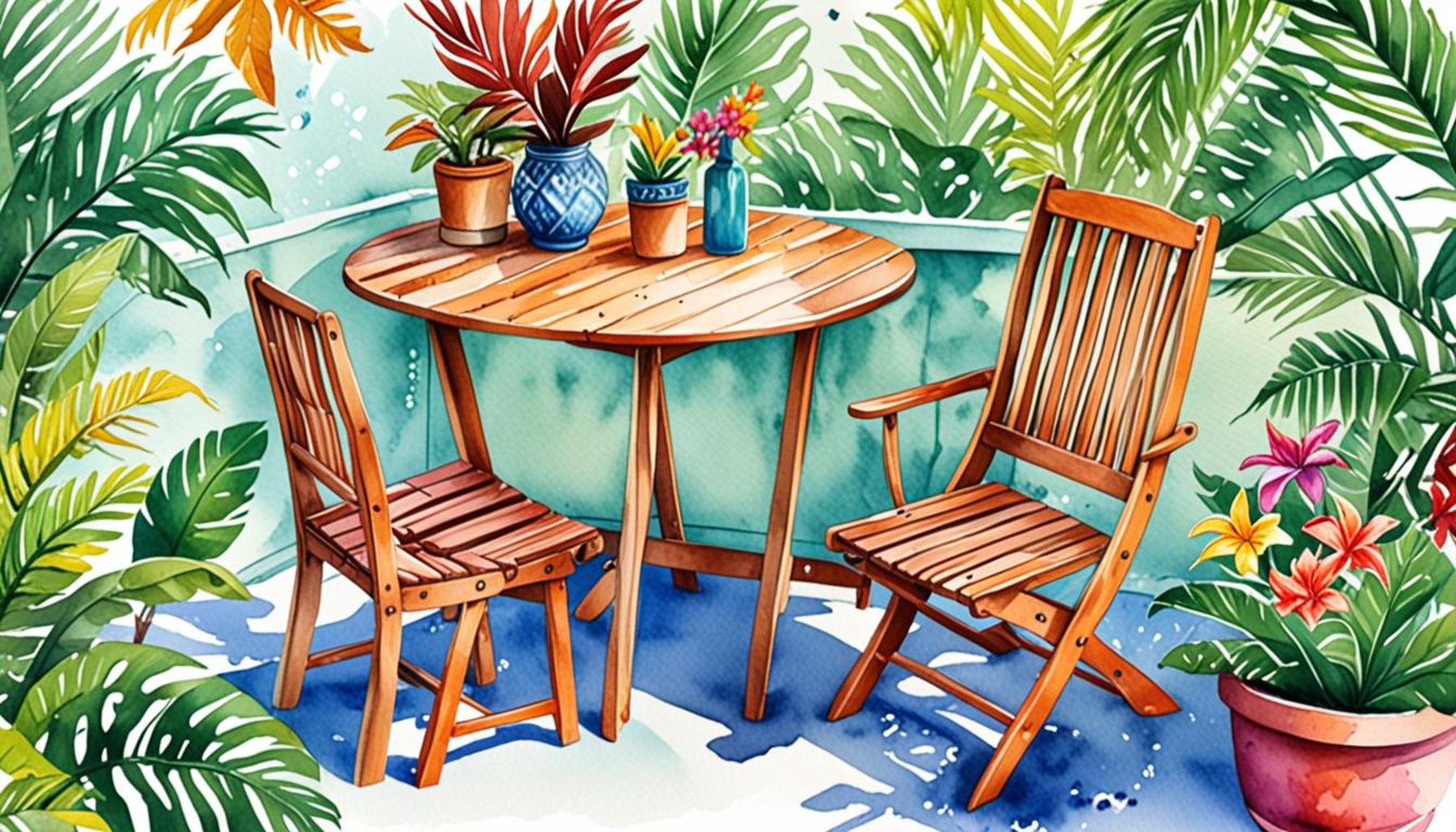
Understanding the Challenges of Wood in Tropical Climates
Wood, with its natural charm and aesthetic appeal, has long been a popular choice for furniture in many homes. However, in a tropical climate like Nigeria, the unique environmental conditions can pose significant challenges to preserving the beauty and integrity of wooden furniture. High humidity, soaring temperatures, and the unpredictability of rainfall can drastically impact the longevity of wooden pieces.
Humidity and Its Effects
One of the most prominent issues homeowners face is high humidity. In Nigeria, regions such as Lagos and Port Harcourt often experience extreme moisture levels in the atmosphere. This high humidity can lead to serious problems such as warping, where the wood changes shape and becomes misshapen or uneven. Furthermore, excess moisture creates a perfect breeding ground for mold and mildew, which not only affects the aesthetic of your furniture but can also pose health risks to occupants. Regularly inspecting for signs of mold and using dehumidifiers in particularly damp areas can be invaluable in maintaining your wooden pieces.
Intense Heat and UV Exposure
Alongside humidity, intense heat can cause wooden furniture to become excessively dry, leading to cracks and splits. For example, when hardwoods like mahogany and oak are exposed to prolonged high temperatures, they may lose their natural oils, resulting in a dull and lifeless appearance. It is critical to place furniture away from direct sunlight, using curtains or window films to block harmful UV rays that can fade finishes and alter color. Additionally, applying a protective varnish or sealant designed for tropical climates can enhance durability.
Maintenance Strategies for Longevity
To navigate these challenges, homeowners in tropical regions must adopt effective maintenance strategies for their wooden furniture. Regular cleaning with a soft cloth and a mild soap solution can help remove dust and prevent grime accumulation. Furthermore, consider using furniture oils or beeswax to nourish the wood and maintain its luster. In environments where there is frequent exposure to moisture, incorporating silica gel packs into drawers and cabinets can help absorb excess moisture, providing necessary protection.
Investing time and effort into these care practices is essential for preserving the timeless beauty of wooden furniture. By recognizing the specific threats posed by Nigeria’s tropical climate and implementing proactive strategies, homeowners can safeguard their beloved pieces. With a little diligence, your wooden furniture can flourish, becoming a treasured part of your home for years to come.
ADDITIONAL INSIGHTS: Expand your understanding here
Best Practices for Care and Preservation
To ensure your wooden furniture withstands the rigors of a tropical climate, implementing a series of proactive care and preservation techniques is of utmost importance. Proper maintenance not only safeguards the structural integrity of the furnishings but also preserves their beauty and increases their lifespan. Let’s delve into practical tips that can make a significant difference in how your wooden pieces fare through the humidity and heat typical of regions like Nigeria.
Regular Cleaning Routines
Cleaning your wooden furniture regularly is crucial for preventing dust build-up and maintaining its aesthetic. Here are some essential practices to consider:
- Use Soft Cloths: Always opt for microfibre or soft cotton cloths to wipe down surfaces. This prevents scratching and helps remove dirt without damaging the finish.
- Mild Soap and Water: When cleaning, using a mild soap solution with water can help maintain cleanliness without harm. Avoid harsh chemicals that can strip the wood of its natural finish.
- Dry Thoroughly: After cleaning, always ensure that your furniture is dried completely. Leaving moisture on wood can lead to mold growth and warping.
Humidity Control Measures
Addressing humidity is paramount when it comes to protecting wooden furniture. Accumulating moisture can cause direct damage as discussed earlier, but practical steps can minimize such risks:
- Dehumidifiers: Investing in a dehumidifier can help maintain a lower humidity level in her humid rooms. This is especially important in areas like the kitchen and bathroom where moisture tends to accumulate.
- Silica Gel Packs: Placing silica gel packs in drawers and cabinets not only absorbs moisture but also prevents the onset of mold and mildew.
- Air Circulation: Ensuring proper air circulation around furniture will help reduce moisture levels. Avoid placing heavy items on top of wooden surfaces as this can restrict airflow.
Finishing Techniques for Protection
Another pivotal aspect of maintaining wooden furniture in tropical climates is applying and renewing protective finishes. An effective finish can create a barrier against environmental stressors.
- Furniture Oils: Regularly apply specialized furniture oils that are formulated for tropical environments. Ingredients like tung oil or linseed oil penetrate the wood, providing nourishment and a protective layer against moisture.
- Furniture Wax: A thin layer of beeswax can enhance the shine of your furniture while also providing a modest barrier against water and dirt.
- UV-Resistant Varnishes: Opt for high-quality varnishes that are UV resistant. These finishes help in preventing sun damage and fading, maintaining the vibrancy of the wood’s natural color.
By implementing these practices, homeowners can establish a robust framework for maintaining their wooden furniture, ensuring its resilience in the face of Nigeria’s challenging climate conditions. Remember, proactive care is essential, and a little effort can yield long-term rewards that keep your furniture looking great year after year.
Effective Tips for Maintaining Wooden Furniture in Tropical Climates
Maintaining wooden furniture in tropical climates requires specific attention due to the high humidity and intense sunlight that can lead to damage. Here are some essential practices to ensure the longevity and beauty of your wooden pieces:
1. Regular Cleaning: Use a soft, dry cloth to dust your furniture regularly. This prevents dirt buildup, which can cause scratches and dull the finish. For deeper cleaning, slightly dampen the cloth with water or a mild cleaner specifically designed for wood, ensuring you dry the surface immediately afterward.
2. Humidity Control: It’s vital to monitor the humidity levels in your home. High moisture can lead to warping and mold growth on wooden surfaces. Consider investing in a dehumidifier or using silica gel packs in your storage areas to help absorb excess moisture.
3. Protection from Sunlight: Direct sunlight can cause fading and discoloration. Position your furniture away from windows that receive full sun exposure, or use sheer curtains to diffuse the light. Applying a protective UV-resistant coating can also help shield the wood.
4. Regular Polishing: Use a suitable wood polish to maintain the finish of your furniture. This not only keeps the surface looking shiny but also adds a layer of protection against moisture and dirt. Remember to polish at least once every few months, or as needed based on the furniture’s exposure to the elements.
5. Quick Repairs: Address scratches and dents promptly to prevent further damage. For minor scratches, use a wax filler stick that matches the wood. For more significant issues, consider consulting a professional for refinishing or repairs.
By following these tips, you can maintain the integrity and aesthetic appeal of your wooden furniture, ensuring it remains a cherished part of your home for years to come.
| Category | Description |
|---|---|
| Humidity Control | Invest in dehumidifiers or use silica gel to reduce moisture. |
| Sunlight Protection | Use curtains or UV-resistant coatings to prevent fading. |
ADDITIONAL INSIGHTS: Expand your understanding here
Protection Against Pests and Environmental Damage
In addition to humidity and cleaning, another significant factor affecting wooden furniture in tropical climates is the threat posed by pests, such as termites and woodborer beetles. Implementing preventative measures to avoid infestations and environmental damage can further enhance the durability of your wooden treasure.
Pest Prevention Strategies
Wood-eating pests can severely compromise the structural integrity of furniture. It is imperative to recognize the signs of an infestation and take precautionary measures:
- Regular Inspections: Routinely inspect your wooden furniture for any signs of pests—look out for tiny holes, sawdust, or any unusual wood powder. Early detection is crucial for effective treatment.
- Treatments and Barriers: Consider applying borate-based sprays or treatments that penetrate the wood and deter pests. Additionally, using physical barriers like steel mesh can keep wood-eating pests at bay.
- Professional Help: If you suspect an infestation, consult pest control experts for professional treatment. They can provide insights into the specific pests in your region, offering tailored solutions.
Seasonal Adjustments
Adapting your maintenance routine with the changing seasons can be particularly beneficial in a tropical climate, where conditions can fluctuate drastically:
- Seasonal Cleaning: During the rainy season, increase the frequency of cleaning to prevent mold growth. In contrast, during dry spells, make sure to keep the wood moisturized to avoid cracking or splitting.
- Outdoor Furniture Care: If you have outdoor wooden furniture, it can be significantly affected by sun exposure and rain. Cover these pieces when not in use, and opt for a finish that is specially formulated for outdoor wood protection.
- Store Accordingly: When not in use, consider bringing wooden items indoors, especially during rainy seasons or severe weather events. If not possible, elevate outdoor furniture from direct contact with the ground to avoid moisture build-up.
Temperature Regulation
Temperature fluctuations can lead to wooden furniture warping or cracking. Managing the temperature around your furniture can prolong its lifespan:
- Avoid Direct Sunlight: Position your furniture away from windows or locations that receive harsh sunlight. If you cannot relocate it, consider using curtains or UV-filtering window treatments to minimize sun exposure.
- Sun Shields: For outdoor furniture, utilize furniture covers equipped with UV protection that can prolong the life of your pieces, ensuring they remain intact despite the elements.
- Air Conditioning or Fans: In living spaces where temperatures are uncomfortably high, using air conditioning or ceiling fans can help maintain a stable environment for your wooden furniture.
By implementing these pest prevention strategies, seasonal adjustments, and temperature regulation methods, you will not only protect your beloved wooden furniture but also retain its allure and structural soundness over time. In a tropical climate like Nigeria, being proactive in addressing these concerns is essential. Seek out additional resources or local insights to further bolster your furniture maintenance knowledge.
ADDITIONAL INSIGHTS: Expand your understanding here
Conclusion: Preserving the Beauty of Wooden Furniture in Tropical Climates
In the vibrant and humid environments of tropical climates, such as Nigeria, maintaining the integrity and aesthetic appeal of wooden furniture can seem like a daunting task. However, by embracing a proactive approach and implementing the tips highlighted in this article, homeowners can effectively protect their cherished pieces from the ravages of humidity, pests, and temperature fluctuations.
Regular inspections are essential for early detection of pest infestations, while tailored treatments can serve as a frontline defense. Seasonal adjustments in cleaning and moisture management will combat mold and cracking, ensuring your furniture thrives through the year’s ups and downs. Moreover, thoughtful placement away from direct sunlight and the use of protective covers can mitigate the impacts of UV rays and rain, extending the life of outdoor pieces.
Ultimately, the journey of maintaining wooden furniture in a tropical setting is not just about preservation; it’s a celebration of the craftsmanship and natural beauty that wood brings into our homes. By employing these effective tips, you can enjoy the elegance of your wooden furnishings while ensuring they remain robust and resilient for years to come. For additional insights and tips, consider exploring local resources and communities dedicated to furniture care. Your wooden treasures deserve nothing less than dedicated stewardship.