How the Choice of Upholstery Affects the Cleaning and Maintenance of Furniture
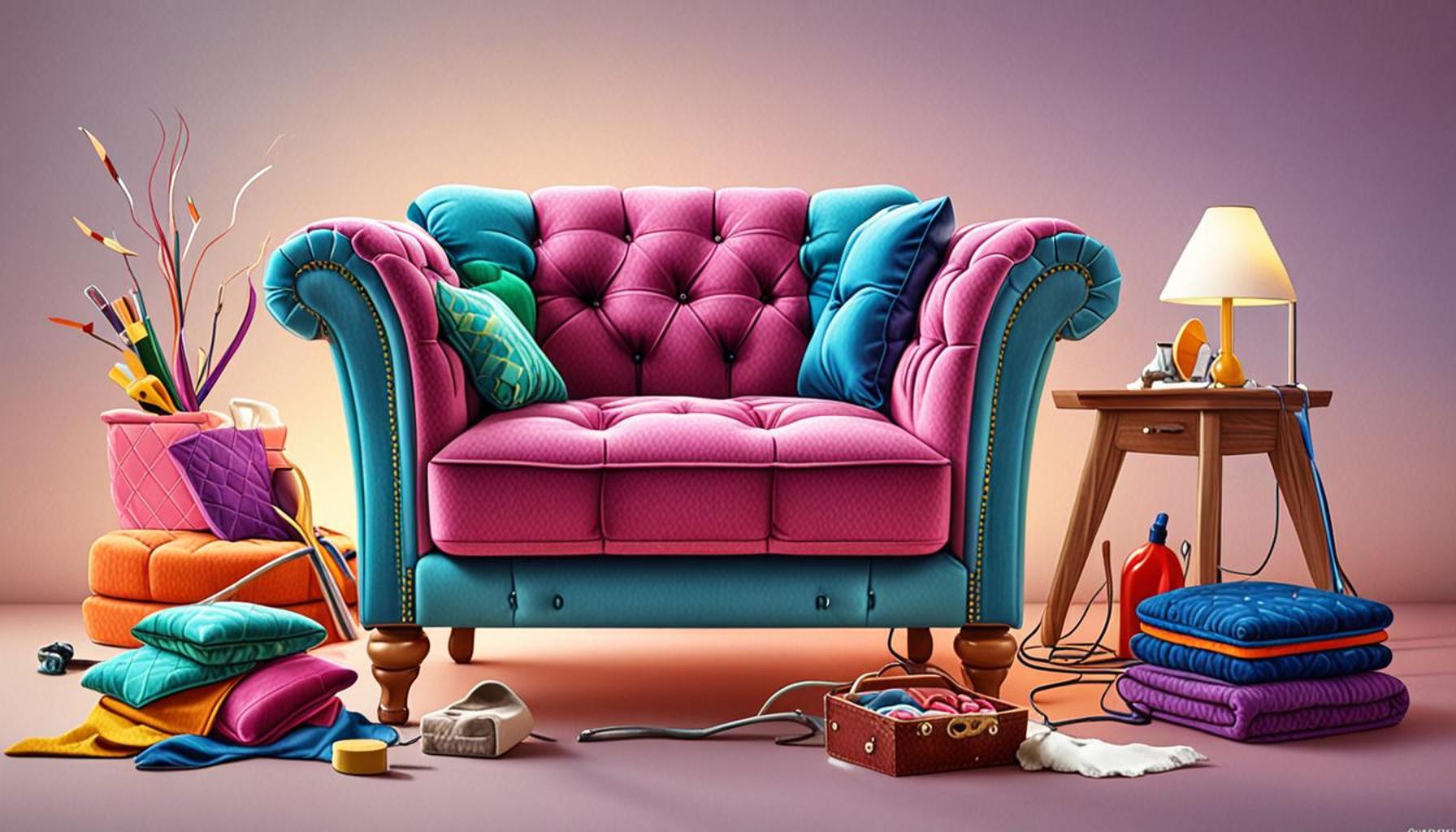
Understanding Upholstery Choices
The choice of upholstery carries significant weight when it comes to the cleaning and maintenance of furniture. Different fabrics have unique properties that influence not only aesthetics but also durability and care requirements. This aspect is crucial for households in Nigeria, where climatic conditions, such as humidity and varied temperatures, can significantly affect furniture longevity and appearance.
Key Factors to Consider
- Material Type: When selecting upholstery, the material choice is paramount. Natural fibers such as cotton and linen are celebrated for their softness and breathability, making them highly comfortable for tropical climates. However, they often require more diligent care, as they can absorb spills and stains quickly. For instance, a cotton sofa might feel wonderful during a hot afternoon but can easily suffer if unprotected from children’s snacks. In contrast, synthetic fabrics like polyester exhibit excellent stain resistance and durability. They are particularly well-suited for family homes or rented accommodations that see high traffic, as they withstand spills, dirt, and pet activities with far less hassle.
- Color and Texture: The decision on color and texture cannot be overlooked. While vibrant colors can enhance a room’s ambience, lighter shades tend to show dirt and stains more readily. For example, a cream-colored upholstered chair might add elegance to your living room but will demand frequent cleaning to maintain its appeal. Conversely, textured fabrics, such as chenille or tweed, can effectively disguise minor stains and debris, making them a practical option for busy households.
- Usage: Considering usage is essential when selecting upholstery for furniture. Upholstery intended for high-traffic areas, such as living rooms or playrooms, should be particularly durable and easy to clean. Faux leather, for instance, has gained popularity in modern Nigerian homes, as it mimics the look of real leather while being both affordable and easy to maintain, providing a great balance between style and functionality.
Understanding these variables can translate to better decision-making when selecting upholstery for new or existing pieces. The right choice not only enhances the look of your furniture but also optimizes the cleaning and maintenance processes, ensuring that your investment lasts longer. As we delve deeper into the implications of these factors, you’ll discover how they intertwine, guiding you in maintaining your furniture’s integrity and appearance throughout its lifecycle.
In a country where gatherings and social interactions often center around the home, choosing the right upholstery can significantly impact not just functionality but also the overall atmosphere of living spaces. Thus, making an informed decision ensures that your furniture not only serves its purpose but becomes a treasured part of your home’s narrative.
RECOMMENDED: Check out this similar article
Choosing the Right Upholstery: Implications for Care and Maintenance
The impact of upholstery choice extends beyond mere aesthetics—it fundamentally alters how you clean and maintain your furniture. In Nigerian homes, where family gatherings and social events are the norm, understanding the cleaning requirements associated with different fabrics can save time and effort while preserving your furniture’s lifespan. Here, we explore the distinct care needs of various upholstery types, so you can choose wisely.
The Cleaning Difficulty of Different Materials
When considering how upholstery influences cleaning and maintenance, it’s essential to evaluate the cleaning difficulties associated with different materials:
- Natural Fabrics: Upholstery made from natural materials, such as cotton and linen, is soft and breathable but can be challenging to maintain. These fabrics tend to absorb stains and odors easily, and regular washing is often needed to keep them looking fresh. For example, cotton may require additional protective treatments like stain repellent sprays to enhance its durability, particularly in homes with children or pets.
- Synthetic Fibers: On the other hand, synthetic materials such as polyester and nylon are known for their stain resistance and easy care. These textiles are often treated with special coatings that repel liquids, making most spills manageable with a simple wipe-down. This resilience makes them an excellent choice for families where messes are more frequent, as cleaning synthetic upholstery generally involves less effort and time.
- Leather and Faux Leather: Leather is another option that demands specialized attention. True leather is often regarded as luxurious and durable but can be susceptible to scratches and stains. Regular conditioning is necessary to maintain its sheen and prevent drying out. In contrast, faux leather offers an economically accessible alternative, with a surface that is relatively easy to maintain, often requiring just a damp cloth to clean. However, it can still be prone to peeling over time, so understanding its care routine is essential.
The degree to which each upholstery type can resist dirt buildup and handle spills will dictate how often you need to perform a thorough clean. Ceramic-tiled floors and laminated surfaces may accentuate this aspect, as crumbs and spills can quickly accumulate around the furniture, particularly in busy households. So, the fabric woven into your sofa or chair not only complements your interior design but also shapes your cleaning routine.
Climate Considerations
Moreover, the Nigerian climate plays a critical role in determining the longevity and cleanliness of upholstery. High humidity levels can contribute to the growth of mold and mildew, particularly on natural fibers, while heat can lead to fading and drying. Therefore, selecting upholstery that can withstand these climatic challenges is fundamental for optimal upkeep.
Understanding the cleaning implications tied to your upholstery choice is an invaluable point for furniture maintenance. By recognizing how different materials respond to cleaning methods, care routines can be tailored effectively, ensuring furniture not only stays beautiful but also endures the test of time.
Understanding Upholstery and Maintenance
Upholstery selection plays a pivotal role in cleaning and maintenance of furniture, impacting both the longevity and appearance of your pieces. Different upholstery materials present unique challenges and benefits when it comes to upkeep.
| Material Type | Cleaning Considerations |
|---|---|
| Leather | Requires conditioning and specific cleaners; resistant to stains but vulnerable to scratches. |
| Microfiber | Easy to clean and maintain; often repel liquids, making it user-friendly for households with children or pets. |
| Cotton | Needs regular washing and can fade quickly; not very stain-resistant unless treated. |
| Polyester | Durable and easy to clean; resistant to wrinkling, fading, and stains. |
Choosing the appropriate upholstery material for your furniture not only enhances its aesthetic appeal but also significantly affects the overall cleaning and maintenance process. By understanding the unique properties of each material, homeowners can select upholstery that aligns with their lifestyle demands while ensuring that their furniture remains in excellent condition.
SEE ALSO: Click here to read another article
Factors to Consider for Longevity and Practicality
Beyond the immediate considerations of cleaning and maintenance, selecting the right upholstery involves an understanding of longevity and practicality, particularly in the context of Nigerian households. With varying lifestyles, cultural practices, and the impacts of the environmental conditions, choosing an upholstery that balances durability and ease of cleaning can indeed enhance your furniture’s lifespan.
Durability versus Aesthetics
One of the key decisions involves balancing durability with aesthetics. While you may be drawn to a luxurious fabric such as silk or velvet that adds an elegant touch to your living room, these choices can bring significant cleaning challenges. Velvet is prone to crushing and can accumulate dust significantly, requiring regular vacuuming and occasional professional cleaning to maintain its appearance. Meanwhile, sturdier fabrics like canvas or microsuede can provide a similar look with added resistance to wear and tear.
Families in Nigeria that host numerous social events might opt for fabrics that still make a style statement while being resilient to the hustle and bustle of daily life. The key is to consider not just how the fabric looks, but also how it will hold up over time, particularly if the furniture will see frequent use.
Color and Pattern Considerations
The choice of color and pattern can also drastically affect maintenance routines. Dark-colored fabrics tend to conceal stains more effectively than lighter shades, making them an ideal choice for homes filled with children or pets. Patterns can similarly provide a camouflage effect against spills and dirt. For example, a subtle geometric pattern may not only elevate the aesthetic of a space but also help to hide the inevitable stains that occur in a busy household. However, keep in mind that while attractive, intricate patterns may require more attention during cleaning to prevent dirt from settling into the details.
- Stain-Resistant Treatments: Some upholstery can come pre-treated for stain resistance, enhancing its practicality. Fabrics like treated polyester or cotton blends offer peace of mind for families wary of frequent spills. Investing in such upholstery can significantly reduce the time spent on maintenance.
- Layering and Protecting: For homes where maintaining pristine furniture is paramount, consider layering with throws or slipcovers that can be removed and washed easily. This innovative approach can extend the life of your underlying upholstery while offering an opportunity to refresh the look at a low cost.
Investment in Maintenance Tools
Finally, investing in proper cleaning tools and products tailored to your chosen upholstery can make a world of difference. For instance, having a gentle upholstery cleaner for natural fabrics or specialized wipes for synthetic fibers can simplify the maintenance routine. Furthermore, a handheld vacuum or lint roller can be invaluable, particularly in preventing the buildup of pet hair and dust. Staying proactive with maintenance not only keeps your upholstery looking its best but also mitigates the need for more extensive cleaning efforts down the line.
The right choice of upholstery is not just about style but is significantly intertwined with the practical aspects of cleaning and maintenance. By understanding these nuances, Nigerian homeowners can ensure their furniture remains as functional and beautiful as the day it was purchased.
ADDITIONAL INSIGHTS: Expand your understanding here
Conclusion: Embracing Practicality in Upholstery Selection
In conclusion, the choice of upholstery for furniture is a vital consideration that extends well beyond mere aesthetics. This intricate decision intertwines with the day-to-day cleaning and maintenance routines, directly impacting the longevity and functionality of furniture in Nigerian homes. Each fabric presents its own set of challenges and benefits, demanding careful evaluation based on lifestyle, family dynamics, and environmental conditions.
Nigerian households, often bustling with activity, benefit immensely from selecting upholstery that marries durability with an appealing look. For those striving for a balance between elegance and functionality, opting for materials that are easy to clean while still making a style statement is paramount. As research suggests, dark-colored fabrics and patterns can significantly reduce the visibility of stains, making them ideal for families with children or pets.
Moreover, investing in stain-resistant treatments and thoughtful layering techniques can elevate the maintenance process, rendering it manageable even in the busiest settings. Equipping oneself with the right cleaning tools tailored to each fabric type further empowers homeowners, simplifying upkeep and extending the life of beloved furniture pieces.
Ultimately, making informed upholstery choices will not only enhance the aesthetic appeal of your home but ensure that furniture remains both beautiful and practical over time. In a country where family gatherings and social events are commonplace, choosing wisely serves as an investment that pays dividends in comfort, style, and ease of maintenance, allowing homeowners to enjoy their living spaces to the fullest.