How to choose safe and effective cleaning products for different appliances
Understanding the Essentials of Cleaning Products for Appliances
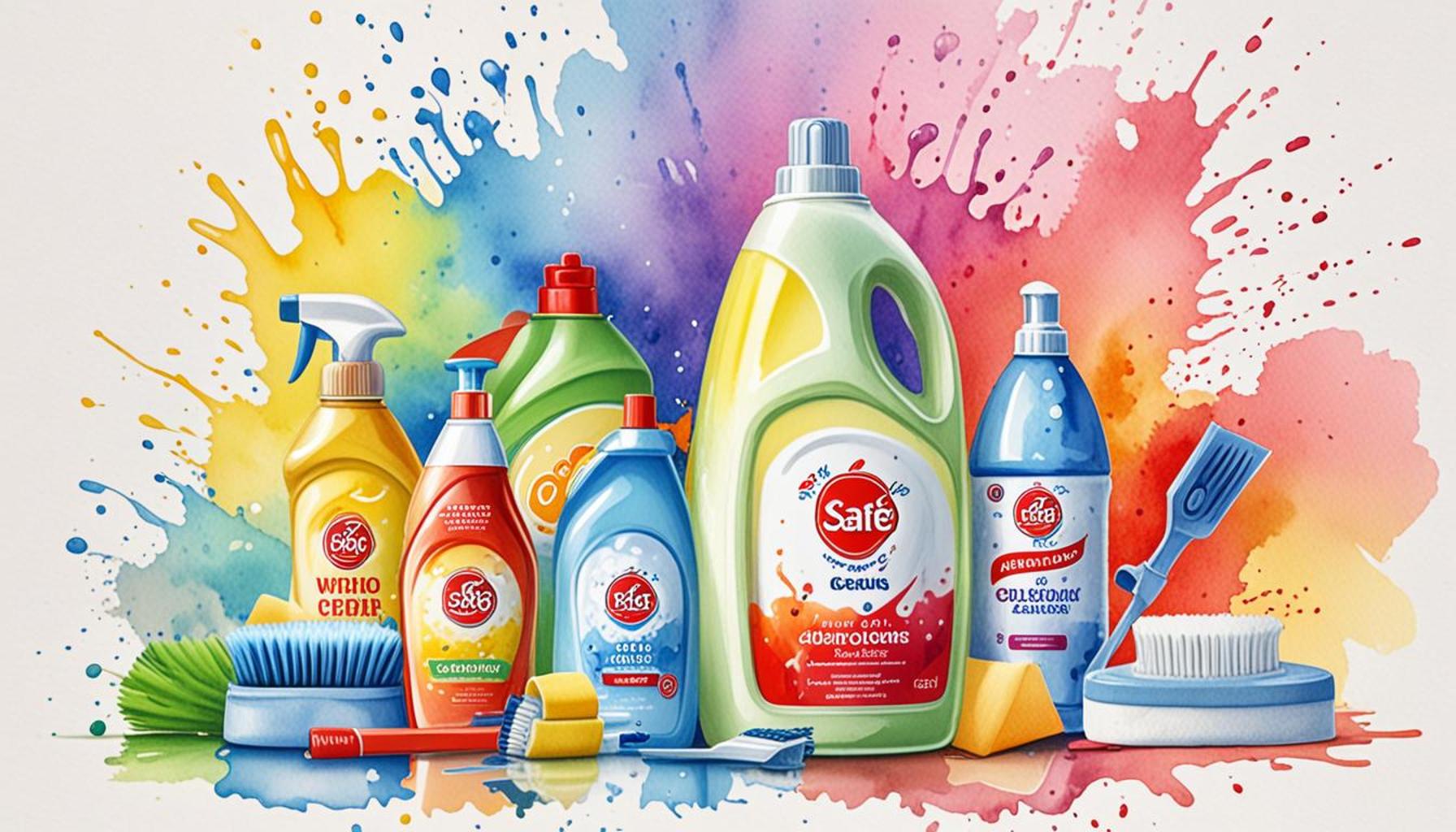
Choosing the right cleaning products for your appliances can be a daunting task, especially when considering safety and effectiveness. In Nigeria, where households rely on various appliances—from refrigerators to washing machines—it’s crucial to make informed decisions. With countless options on the market, understanding what to prioritize can protect both your appliances and your family. Making choices that are aligned with local needs and conditions is essential for optimal results.
Here are some key factors to keep in mind when selecting cleaning products:
- Ingredients: It’s vital to check for non-toxic, eco-friendly ingredients. Many brands are now prioritizing organic components that are safe for the environment and for human health. Look for products that eschew harsh chemicals like ammonia or bleach, which can not only damage appliances but also pose risks, especially in homes with children and pets.
- Compatibility: Ensure the product is suitable for the specific appliance. For example, ceramic or glass surfaces often require specialized cleaners that won’t cause scratching or damage. Using multi-surface cleaners indiscriminately can lead to costly mistakes or reduced appliance efficiency.
- Brand Reputation: Look for trusted brands with positive reviews. Established brands like Dettol or Sunlight have garnered trust over years of providing household solutions. Local brands that have been tested in domestic settings can also offer effective cleaning without compromising safety, such as those produced by Nigerian manufacturers like Amara Cleaning Products.
- Effectiveness: Choose products that can tackle common stains and dirt. For example, kitchen appliances often accumulate grease and grime that requires powerful formulation. Don’t hesitate to consult user reviews or seek recommendations from friends and family about the most effective solutions.
Additionally, avoiding products containing harsh chemicals is essential not just for the integrity of your appliances but also for your family’s health. For instance, in regions like Lagos, where humidity can spoil appliances sooner, choosing the right cleaning product can extend their lifespan significantly without compromising safety.
Understanding labels and certifications plays a vital role in this process. Look for certifications such as the Nigerian Industrial Standards (NIS), which ensures that the product adheres to safety and quality regulations. This certification is particularly important in markets flooded with both local and international products to help consumers make the safest selections.
In a country where family health and appliance longevity matter, making informed cleaning choices is essential for every household. With a better understanding of what to look for, you can confidently navigate the hallways of your local markets or the aisles of supermarkets. As you invest in the right cleaning products, consider the advantages of keeping both your appliances in peak condition and your family safe from harmful substances.
ADDITIONAL INSIGHTS: Expand your understanding here
Assessing Your Appliance Needs and Cleaning Challenges
When it comes to maintaining your appliances, understanding their specific cleaning needs is paramount. Each appliance has unique characteristics and functions, which determine the type of cleaning product that will work best. For instance, kitchen appliances like ovens and microwaves often require cleaners that can cut through grease and food residues, whereas washing machines might need products that can remove detergent buildup and prevent odors. Therefore, assessing the cleaning challenges posed by each appliance is your first step in this journey.
Before you rush to the store, consider the following factors:
- Surface Material: The surface material of your appliances significantly influences the type of cleaning product to use. Stainless steel appliances require specialized cleaners that can prevent smudges and maintain their shine, whereas plastic surfaces need gentle formulas to avoid discoloration. Take time to familiarize yourself with the materials used in your appliances.
- Usage Frequency: High-usage appliances like refrigerators and stovetops will accumulate dirt and grime more quickly than those used less frequently. Thus, selecting a cleaner with a strong stain-fighting capability for these types of appliances becomes essential. Additionally, consider investing in maintenance products that can prevent buildup during regular use.
- Cleaning Frequency: How often you plan to clean your appliances will also guide your choice. If you prefer a quick daily wipe-down, opt for multi-surface cleaners that are easy to use and safe for frequent application. For deeper cleaning routines, look for products designed for tougher jobs, which can be used less frequently but offer more thorough results.
- Health Considerations: As households become more conscious of health and safety, it’s important to factor in any allergies or sensitivities among family members. If someone in your household is sensitive to scents or chemicals, opt for fragrance-free or hypoallergenic cleaning products. This not only protects your family but also enhances the overall cleaning experience.
Furthermore, be mindful of where you purchase these cleaning products. Local markets in Nigeria often have a variety of options suited to regional specifications. Local brands may provide cost-effective solutions that cater specifically to Nigerian households while ensuring safety and effectiveness. Additionally, exploring markets or shopping online allows you to compare products more efficiently, enabling you to make better choices.
When addressing these factors, you set the stage for a well-informed purchase process. Remember, the right cleaning solution contributes not only to the longevity of your appliances but also to a healthier home environment. Therefore, take your time to research and analyze products meticulously—your appliances will thank you for it!
| Category | Key Features |
|---|---|
| All-Natural Cleaners | Non-toxic ingredients make them safe for all surfaces and human health. |
| Multi-Surface Cleaners | Versatility allows them to be used for various appliances, saving time and money. |
| Eco-Friendly Products | Biodegradable options reduce environmental impact while ensuring effectiveness. |
| Disinfectants | Kill bacteria and viruses, essential for sanitizing kitchens and bathrooms. |
When selecting cleaning products, it’s vital to understand the specific needs of the appliances in your home. For instance, multi-surface cleaners can simplify your cleaning routine, as they are designed to work on a variety of materials and surfaces. This not only streamlines the cleaning process but also ensures that you are not buying multiple products, thus reducing clutter and expense.Additionally, opting for eco-friendly options ensures that the chemicals used will break down naturally, helping to protect our planet while still providing thorough cleaning. Many consumers are increasingly inclined to support brands that prioritize sustainability.Using all-natural cleaners can also enhance safety, especially in homes with children or pets. With the rise in awareness surrounding chemical exposure, knowing that your cleaning products are non-toxic allows peace of mind during cleaning sessions. Finally, don’t overlook the benefits of having effective disinfectants on hand, particularly in high-touch areas like kitchens and bathrooms, to fight off germs effectively. By being informed about these categories of cleaning products, you not only ensure safe and effective cleaning but also contribute to a healthier living environment.
SEE ALSO: Click here to read another article
Understanding Product Labels and Ingredients
Once you’ve assessed your appliance needs and the cleaning challenges you may face, the next step is to dive deeper into understanding the labels and ingredients of cleaning products available in your local market. The proliferation of cleaning products can be overwhelming, but taking the time to read product labels is crucial to ensuring you select safe and effective options.
Deciphering Product Labels
Many brands display enticing claims like “natural,” “eco-friendly,” or “non-toxic.” However, these terms can sometimes be misleading in the absence of regulatory definitions. Look for certifications from recognized organizations when possible. For instance, products labeled with the Environmental Protection Agency (EPA) Safer Choice label reassure consumers of their safety for both home and environment. In Nigeria, the National Agency for Food and Drug Administration and Control (NAFDAC) also regulates cleaning products, ensuring they meet safety standards.
Understanding Active Ingredients
Taking a look at the active ingredients in a cleaning product is essential for determining its effectiveness and safety. Common ingredients such as hydrogen peroxide and vinegar are often effective at cutting through grease and disinfecting surfaces. Products containing citric acid can not only help in breaking down mineral deposits, making them a great choice for appliances like kettles and dishwashers but also pose less risk of allergic reactions.
Additionally, avoid products that contain harsh chemicals such as chlorine bleach and phosphates, especially if you have children or pets around. Some alternatives have emerged in the Nigerian market that effectively clean without the need for these toxic ingredients. Be sure to check for these safer alternatives, which often use plant-based enzymes and natural ingredients.
Post-Cleaning Safety Measures
Selecting safe cleaning products goes beyond just the purchase. Implementing proper post-cleaning safety measures is equally important. Always follow the manufacturer’s instructions, which may include advice on rinsing surfaces after cleaning to remove any residue from the cleaning product. This is especially important for food prep areas in kitchens, where residual chemicals can contaminate food.
Store cleaning products out of reach of children and in well-ventilated areas to minimize exposure to potentially harmful fumes. Also, consider using personal protective equipment such as gloves for prolonged cleaning tasks to protect your skin, particularly if you have sensitive skin.
Exploring Local Brands
The value of exploring local and regional brands cannot be overstated, especially within the Nigerian context. Many local brands are committed to producing cleaning solutions that cater specifically to local challenges while prioritizing safety and environmental consciousness. By purchasing locally-made products, you not only support the economy but often find solutions tailored to the unique climate and living conditions found in different regions of Nigeria.
- Research and Reviews: Encourage user reviews and testimonials, which offer insight into the product’s effectiveness.
- Trial and Error: Sometimes, finding the right product requires experimenting with different brands and types until you identify the most effective option for your household.
- Community Recommendations: Engage with your community or social media groups to obtain recommendations for safe cleaning products that work efficiently for various appliances.
By thoroughly understanding product labels, active ingredients, and local alternatives while implementing appropriate safety measures, you’ll be well on your way to creating a clean and safe environment for your home. Remember, an informed choice can lead not only to cleaner appliances but a healthier living space for you and your family.
SEE ALSO: Click here to read another article
Conclusion
In navigating the vast landscape of cleaning products, making informed choices is paramount for the health and safety of your household. By evaluating your specific appliance needs and comprehensively understanding product labels and ingredients, you equip yourself with the knowledge to select cleaning solutions that are both safe and effective. It is essential to look for certifications like the Safer Choice label from the EPA or those regulated by NAFDAC in Nigeria, providing reassurance of product safety.
Furthermore, being aware of the active ingredients in your chosen products can significantly enhance your cleaning efforts while minimizing health risks. Emphasizing the use of non-toxic alternatives such as vinegar and citric acid can ensure a safe environment, especially in households with children and pets. Prioritize local and regional brands that cater to the unique needs of your surroundings, as they often produce effective solutions with an eye toward environmental safety.
Finally, always remember that the responsibility for safety extends beyond product selection. Implementing proper post-cleaning measures and engaging in community discussions can help you stay informed about the latest safe cleaning practices. By following these guidelines, you can maintain not only clean and well-functioning appliances but also a healthier living space for you and your family. Your choices today will lay the foundation for a cleaner tomorrow—one product at a time.