How to Implement an External Maintenance Schedule to Extend the Lifespan of Your Property

The Driving Force Behind Proactive Property Management
In the world of real estate, regular property maintenance stands as a cornerstone for preserving the integrity and value of your investment. A well-structured external maintenance schedule does not merely prolong the lifespan of your property; it can become a critical component of financial prudence, saving you both money and time over the years. By taking a proactive stance on maintenance, property owners can significantly reduce the risk of major repairs and enhance the overall state of their homes.
Why You Need a Maintenance Schedule
Many owners make the mistake of believing that periodic touch-ups or repairs are sufficient to keep their properties in good shape. This oversight can lead to larger, more expensive problems in the future. Setting up a routine maintenance schedule is essential, offering a myriad of benefits:
- Preventive Measures: Regular inspections allow you to identify minor issues—such as a leaky gutter or slight roof damage—before they escalate into costly repairs. For example, fixing a small leak can prevent water damage that could necessitate a complete roof replacement.
- Increased Property Value: Homes that are well-maintained not only attract better buyers but also command higher rental prices. An investment in maintenance today can translate into enhanced property value tomorrow, making your estate more appealing in a competitive market.
- Cost Efficiency: Consistent maintenance can stave off expensive repairs and replacements. For instance, regularly servicing air conditioning units and plumbing systems can prevent expensive breakdowns during Nigeria’s sweltering summers.
Focusing on External Aspects
Nigeria’s varied climate—characterized by humidity, intense rainfall, and harsh sunlight—can pose unique challenges to property maintenance. Therefore, a comprehensive external maintenance plan should include several crucial areas:
- Roof Inspections: Regular checks for leaks, damaged shingles, or rusted metal can help prolong the lifespan of your roof. With frequent rains, a compromised roof poses a risk of severe water intrusion and damage to your home.
- Wall Maintenance: Addressing cracks, peeling paint, and other signs of wear can prevent water infiltration. It’s essential to apply weather-resistant paint that can withstand the elements, thus preserving the structural integrity of your walls.
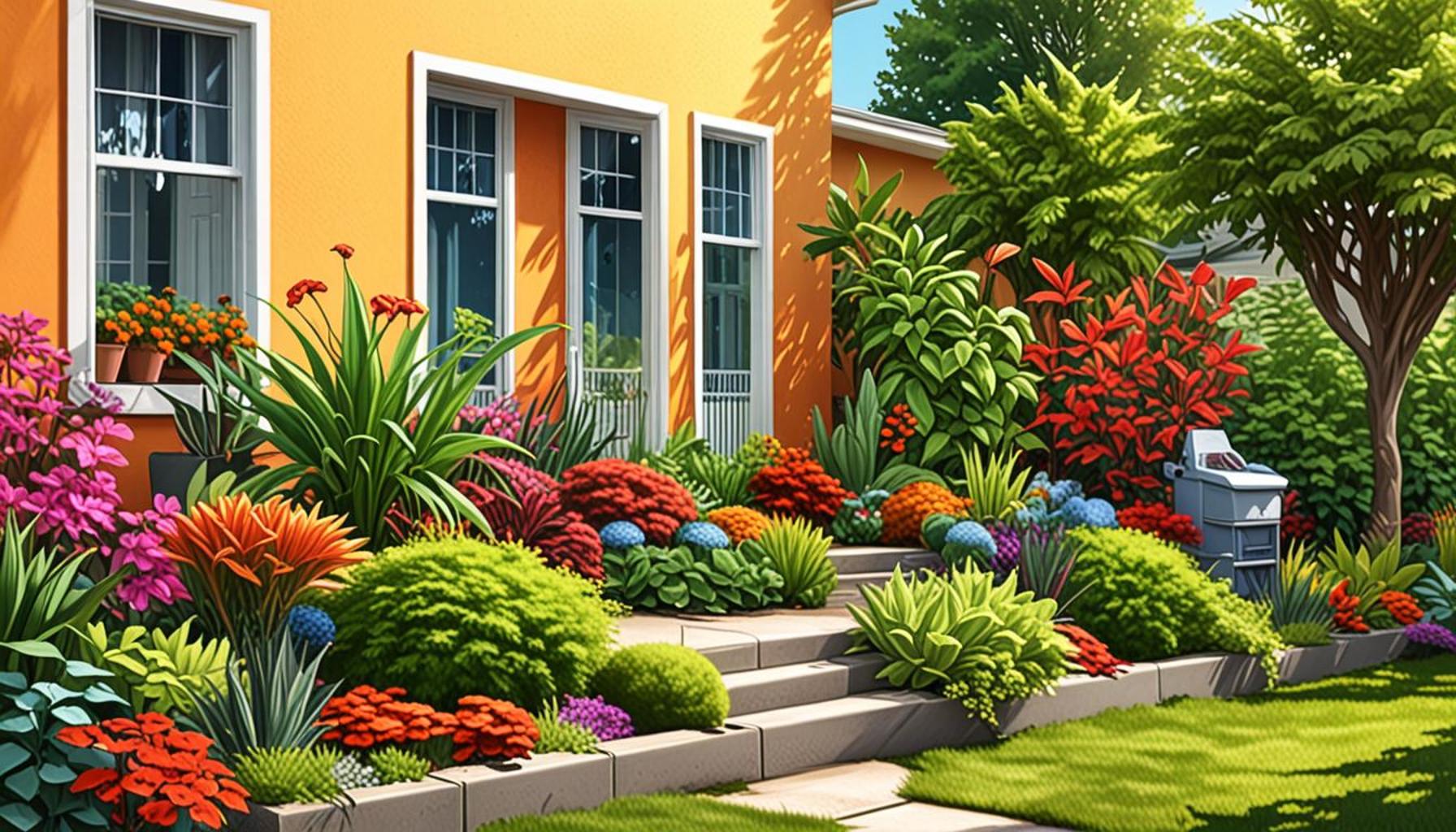
- Landscaping Care: Overgrown plants and trees can damage the foundation of your building or block drainage systems. Regular landscaping can keep such issues at bay, and incorporating native plants can reduce maintenance requirements while promoting biodiversity.
By adhering to a well-structured external maintenance schedule, you’re not just preserving your property—you’re also elevating its worth and functionality in a market that values resilience and aesthetic appeal. To truly maximize the benefits of a maintenance schedule, consider working with local experts who understand the specific needs of properties in your area, and begin charting out a practical action plan today.
CHECK OUT: Click here to explore more
Strategies for Creating an Effective External Maintenance Schedule
Implementing an external maintenance schedule that maximizes the lifespan of your property goes beyond just routine checks; it’s about establishing a comprehensive strategy finely tuned to Nigeria’s unique climatic conditions. A proactive approach not only mitigates risks but also significantly enhances the aesthetics and overall functionality of your property. Here are crucial steps to consider when developing your maintenance plan:
1. Identify Key Maintenance Areas
The external features of your property play a vital role in determining its durability. Therefore, identifying key areas that necessitate regular attention should be the initial focus of your maintenance schedule. Key aspects include:
- Roofs: Conduct a detailed inspection at least bi-annually. Look for signs of damage such as missing shingles, leaks, or the presence of moss and algae, which are particularly prevalent in humid regions like southern Nigeria. Early detection can save you costly repairs later.
- Drainage Systems: Frequent checks on gutters and downspouts are essential to ensure they remain free from debris. In Nigeria, clogged gutters can lead to significant water pooling and erosion, especially during the heavier rains typical of the wet season, causing damage to both property and landscape.
- Walls and Exteriors: Regular inspections should focus on cracks, peeling paint, or mold growth. The application of protective coatings resistant to moisture and UV rays can drastically enhance your property’s resilience against the local weather.
- Landscaping: Regular maintenance such as trimming and weeding is critical. Overgrown plants and roots can compromise your property’s foundation, causing potential structural issues over time.
2. Develop a Maintenance Calendar
Creating a maintenance calendar is an essential next step once you have identified priority areas. This calendar should include specific tasks, their frequency, and designated responsibilities. Important considerations for your maintenance calendar include:
- Seasonal Considerations: Align your maintenance activities with Nigeria’s seasonal patterns. For instance, scheduling roof inspections before the rainy season allows you to address possible leak issues and avoid water damages, which can exacerbate during heavy downpours.
- Task Prioritization: It’s crucial to prioritize tasks. Highlight urgent tasks that require immediate action, such as roof repairs or drainage fixes, while scheduling less critical jobs for later dates. This practice can effectively prevent neglect and ensure that vital areas are consistently cared for.
- Documentation: Maintaining a detailed record of completed maintenance tasks and repairs is advantageous. This documentation not only aids in future decision-making but also increases your property value by demonstrating a history of proper care to potential buyers or renters.
By implementing these strategic measures, property owners in Nigeria can establish a more efficient and effective external maintenance schedule. Proactively addressing maintenance concerns will ultimately lead to an increase in the lifespan of investments while ensuring a safe and attractive living environment. The next logical step is to explore how to effectively prioritize tasks and when it might be necessary to engage professional help, ensuring that your property remains in top condition for years to come.
Creating a Comprehensive Maintenance Schedule
Implementing an external maintenance schedule is essential for property owners seeking to enhance longevity and preserve value. A well-planned schedule focuses on critical external elements, including roofing, siding, windows, and landscaping. By regularly inspecting and maintaining these components, property owners can identify potential issues early, preventing costly repairs down the line.
Step 1: Assessing Your Property’s Needs
Before establishing a maintenance schedule, a thorough assessment of your property is vital. Start by examining the roofing for missing shingles, the exterior walls for damage or wear, and the gutters for blockages. This comprehensive evaluation allows property owners to prioritize areas that require immediate attention.
Step 2: Setting Up a Routine
Next, develop a routine that aligns with your property’s specific needs. A good starting point includes seasonal checklists for different components. For instance, spring may involve gutter cleaning and lawn care, while fall could focus on window sealing and HVAC inspections. By categorizing maintenance activities seasonally, you ensure that no area is overlooked throughout the year.
Step 3: Documenting Maintenance Activities
Documentation is crucial for tracking maintenance history. Utilize a digital tool or a physical ledger to record dates, tasks completed, and any observed issues. This log serves not only as a reminder for future tasks but also as a helpful record when it’s time to sell your property or submit insurance claims.
Benefits of External Property Maintenance
Maintaining your property externally provides numerous benefits, including enhancing curb appeal, increasing property value, and prolonging the lifespan of various installations. A documented maintenance schedule demonstrates responsibility and care, which can impress potential buyers or tenants.
| Category | Advantages |
|---|---|
| Routine Inspections | Prevents minor issues from escalating into major problems. |
| Increased Lifespan | Regular upkeep can significantly extend the life of your property’s exterior. |
By following these steps and recognizing the critical advantages of an organized maintenance schedule, property owners can not only protect their investments but also ensure a comfortable and aesthetically pleasing living environment.
CHECK OUT: Click here to explore more
3. Engage Skilled Professionals When Necessary
While many maintenance tasks can be carried out by diligent property owners, certain issues are best handled by skilled professionals. Recognizing when to call in the experts is vital in extending your property’s lifespan. Complex tasks may include:
- Electrical Systems: If electrical connections are faulty or outdated, it is crucial to engage a qualified electrician. Given the importance of electrical safety, maintenance involving wiring, circuit breakers, and outdoor lights should only be performed by certified technicians to prevent accidents or fire hazards.
- Roof Repairs: Sometimes the damage may not be immediately apparent. Professional roofers can assess the integrity of your roof and offer solutions that amateur inspections might overlook. Engaging professionals ensures that materials used are suitable for Nigeria’s climate, particularly when it comes to moisture and heavy rain considerations.
- Structural Repairs: If you notice significant cracks in the walls that suggest possible foundation issues, involving structural engineers is imperative. Their expertise will help diagnose underlying problems and provide solutions that enhance the stability of your property.
4. Adopt Eco-Friendly Practices
With growing concerns over environmental impact, adopting eco-friendly maintenance practices not only contributes to sustainability but often results in long-term savings. Consider the following environmentally conscious strategies:
- Use Sustainable Materials: When conducting repairs or renovations, choose sustainable and energy-efficient materials that align with green building strategies. For instance, installing energy-efficient windows can reduce heating and cooling costs while enhancing the internals of your home.
- Treatments and Coatings: Invest in environmentally friendly exterior treatments that resist mold and algae but also do not harm the surrounding ecosystem. Products certified by recognized environmental standards should be preferred.
- Water Conservation: Incorporate rainwater harvesting systems and drought-resistant landscaping. This not only improves water resource management but also reduces strain on municipal water supplies, especially during dry seasons.
5. Educate Yourself and Your Family
An informed property owner is instrumental to the successful implementation of an external maintenance schedule. Take time to educate yourself and your family about the essential features of your property and basic maintenance practices. Some recommendations include:
- DIY Skills: Learning basic DIY skills can empower you to handle minor repairs or maintenance checks. Local community workshops and online tutorials can be valuable resources for understanding maintenance basics.
- Awareness of Warning Signs: Educate yourself about signs that may indicate larger issues lurking beneath the surface, such as unusual stains on walls or damp odors that could signify plumbing problems.
- Family Involvement: Encourage family members to participate in maintenance tasks. This not only spreads the workload but also fosters a sense of pride and responsibility for your property.
Combining professional assistance with eco-friendly strategies and educational initiatives can substantially improve the efficacy of your external maintenance schedule. By recognizing potential hazards and dealing with them proactively, property owners in Nigeria can vastly extend the lifespan of their investments while contributing positively to the environment. Engaging the entire household in maintenance practices amplifies the benefits, establishing a well-rounded approach to property care.
LEARN MORE: This related article may interest you
Conclusion: Embracing a Holistic Approach to Property Maintenance
In conclusion, implementing an effective external maintenance schedule is not merely a routine task but a crucial investment in the longevity of your property. By adopting a proactive maintenance strategy, property owners in Nigeria can significantly mitigate the risks of costly repairs and enhance the overall value of their investment. Integrating the engagement of skilled professionals for complex tasks ensures that critical systems are maintained to the highest standards, while eco-friendly practices contribute to both sustainability and cost reductions over time.
Educating yourself and your family about property maintenance creates a culture of responsibility and awareness, leading to quicker identification of issues before they escalate. Simple DIY skills can empower homeowners, enabling them to tackle minor repairs confidently while fostering a sense of pride in their dwelling. Importantly, remaining vigilant for specific warning signs related to wear and tear can lead to timely interventions, preventing larger structural problems.
As you develop a personalized maintenance plan that suits your property’s unique needs, remember that consistency is key. A diligent approach to upkeep not only widens the lifespan of your property but also transforms it into a safe, healthy, and enjoyable living space for you and your family. Embrace the future of property care with an external maintenance schedule—it’s an investment that reaps benefits for years to come.