
Impact of Indoor Plants on Domestic Pest Control and Household Cleaning
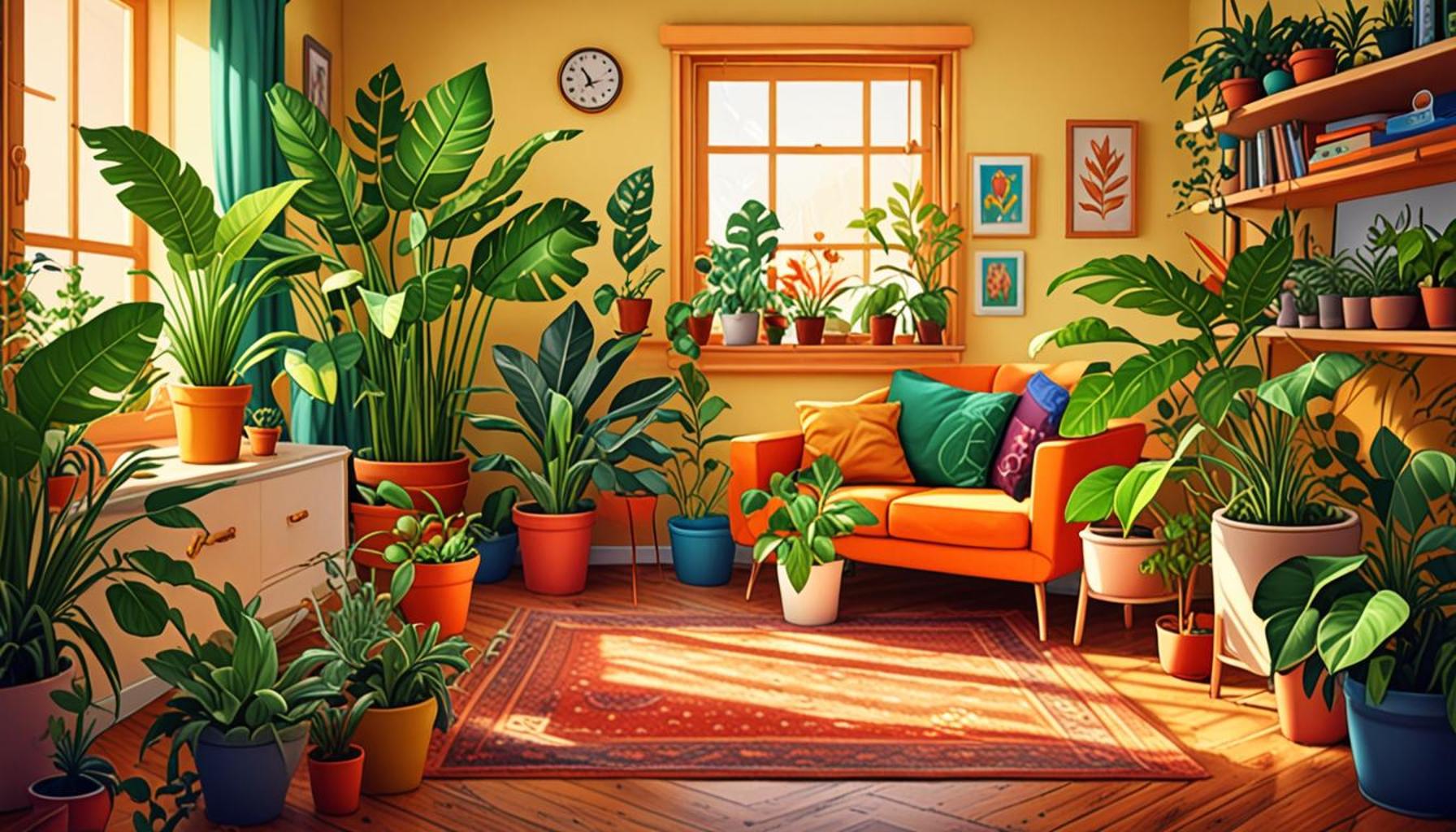
The Benefits of Indoor Plants
The integration of indoor plants into our living spaces offers a plethora of benefits that go far beyond improving aesthetics. The unique abilities of plants to enhance our environments make them an essential addition to any home. They are not only pivotal in purifying the air but also serve as formidable allies in combating pests and aiding in household cleaning.
One of the most compelling advantages of having indoor plants is their role as natural pest deterrents. Certain species, such as citronella and lemongrass, are renowned for their ability to repel mosquitoes, providing a natural alternative to chemical insecticides. In a country like Nigeria, where households often contend with annoying pests such as mosquitoes and flies, introducing these plants can be a game-changer. Additionally, plants like marigolds release a scent that is unappealing to a wide range of insects, acting as a natural guard for your home.
The benefits extend to air purification, a crucial factor in maintaining a healthy living environment. Plants absorb harmful toxins like formaldehyde and benzene through their leaves, significantly improving indoor air quality. For instance, the spider plant and the peace lily are known for their exceptional ability to filter out these harmful substances, creating cleaner and safer spaces for families. By introducing these plants into homes in Nigeria, families can breathe easier, particularly in urban areas where air quality may be compromised.
Moreover, the ability of indoor plants to assist in humidity regulation should not be overlooked. Through the process of transpiration, plants release moisture into the air, which helps to maintain balance, particularly in arid climates or during dry seasons. This natural moisture can alleviate discomfort, making households more inviting and pleasant.
The practicality of indoor plants extends to cleaning benefits as well. For instance, plants can significantly minimize dust accumulation in the home. The leaves of indoor plants act as natural filters, catching dust particles and keeping surfaces cleaner. Similarly, some plants, such as the Boston fern, have the ability to inhibit mold growth, making them particularly valuable in humid regions, where moisture can encourage such growth.
As the trend toward sustainable living continues to rise, incorporating indoor plants into our homes presents exciting possibilities for cleaner and healthier environments. The journey to discovering how these green companions can transform your domestic space is just the beginning. By embracing indoor plants, you are not only improving your home but also contributing to a broader movement toward ecological awareness and sustainability in Nigeria and beyond.
YOU MAY ALSO LIKE: Read read another article
Indoor Plants: A Green Shield Against Pests
The impact of indoor plants on domestic pest control is profound, elevating them beyond mere decorative elements to essential components of modern households. In Nigeria, where the climate can entice a variety of pests, the need for effective pest management solutions is paramount. Indoor plants such as rosemary, peppermint, and lavender have gained popularity not only for their aromatic properties but also for their pest-repelling capabilities. Studies have shown that these plants can deter not just mosquitoes but also ants, flies, and other common household nuisances.
Incorporating such plants into your home can cultivate a more harmonious living space. For example, the pungent scent of rosemary is scientifically proven to ward off mosquitoes, making it an ideal choice for window sills and porches. Additionally, peppermint has been shown to effectively repel ants and spiders, ensuring a cleaner, more pleasant environment for you and your family. Furthermore, planting a few of these pest-repelling varieties in your garden can create a protective barrier that reduces the number of pests that make their way indoors.
The Natural Cleaners: How Indoor Plants Aid in Household Cleaning
Equally important is the role of indoor plants in household cleaning. In a world inundated with chemical-based cleaning products, many households are turning to nature for solutions. Indoor plants offer an array of cleaning benefits, from reducing pollutants to enhancing overall air quality.
- Dust Reduction: The leaves of many indoor plants act as natural dust collectors. Plants such as peace lilies and Chinese evergreens have large, broad leaves that trap dust particles, preventing them from settling on furniture and surfaces.
- Mold Prevention: Indoor plants like the Boston fern can help to inhibit mold growth in damp environments, a significant advantage particularly in humid areas of Nigeria.
- Odor Elimination: Many indoor plants, such as the snake plant and bamboo palm, are effective at absorbing unpleasant odors, lending a fresher scent to the home.
The impact of these natural cleaners is invaluable, as they not only contribute to a healthier living environment but also reduce the need for harsh chemicals that can be harmful to families and pets. As people increasingly recognize the potential of indoor gardening, the demand for plants that serve dual purposes continues to grow.
By integrating these plant species into your living spaces, you are investing in a healthier home, a cleaner environment, and an innovative approach to pest management and cleaning. This holistic view of the role of indoor plants underscores their significance in contemporary domestic life, particularly in regions where traditional solutions may fall short.
Impact of Indoor Plants on Domestic Pest Control and Household Cleaning
Indoor plants do more than just beautify your living space; they play a crucial role in enhancing the quality of life at home by acting as natural allies in pest control and household cleaning. Let’s delve deeper into these benefits. The following table highlights key advantages that indoor plants offer in relation to domestic pest control and maintaining a clean environment.
| Category | Details |
|---|---|
| Natural Pest Deterrents | Certain plants like peppermint and lavender emit smells that repel bugs such as mosquitoes and flies, making your home a less attractive place for pests. |
| Air Purification | Indoor plants like spider plants and peace lilies filter and purify indoor air, helping to reduce toxins and allergens, which contributes to a cleaner and healthier home environment. |
Incorporating indoor plants into your home not only embellishes your décor but also fosters a natural approach to managing pests and ensuring a cleaner atmosphere. This eco-friendly solution is increasingly appealing to those seeking holistic ways to embrace a healthier lifestyle. With each plant selected, there’s both aesthetic and functional value to consider, opening the door to a multitude of options for improving indoor living conditions.
LEARN MORE: This related article may interest you
Creating a Habitat for Beneficial Insects
While indoor plants are touted for their pest-repellent properties, they also create a nurturing habitat for beneficial insects that can help control pest populations naturally. Introducing plants known to attract predatory insects can be a game-changer in household pest management. For instance, marigolds and nasturtiums not only add vibrant colors to your indoor space but also draw in ladybugs and lacewings, which prey on common indoor pests like aphids and mealybugs. These beneficial insects act as nature’s pest controllers, reducing reliance on chemical pesticides and promoting a balanced ecosystem within your home.
In Nigeria, homeowners can benefit immensely from utilizing plants that support these natural solutions. By strategically placing pest-attracting plants around windows and near light sources, individuals can create an environment that encourages beneficial insects to thrive. The presence of such insects not only contributes to the reduction of pest populations but also enhances biodiversity within the home, leading to a more harmonious living space.
Indoor Plants and Their Role in Air Purification
Besides pest control, indoor plants are instrumental in enhancing indoor air quality. The NASA Clean Air Study has highlighted that certain plants can purify the air by removing toxins such as formaldehyde, benzene, and xylene. Plants like the peace lily, spider plant, and rubber plant have been recognized for their air-cleaning capabilities. In urban centers in Nigeria, where pollution levels can be high, integrating such plants into homes becomes essential for reducing the concentration of harmful pollutants.
Moreover, the process of photosynthesis performed by these indoor plants not only generates oxygen but also contributes to maintaining humidity levels. This can be particularly beneficial in dry environments, helping to alleviate respiratory issues and providing a more comfortable atmosphere. Over time, adopting a greener approach by incorporating plants designed for air purification can result in a noticeable improvement in the overall health of household occupants.
- Enhanced Mental Well-Being: Research shows that indoor plants can reduce stress and improve mood. Their calming presence can enhance mental well-being, making them a perfect addition to spaces where families gather.
- Temperature Regulation: Indoor plants can also help in regulating temperature by releasing moisture into the air through a process known as transpiration. This effect can lead to a cooler indoor environment, especially crucial in the hot Nigerian climate.
- Sound Absorption: Additionally, the presence of indoor plants can contribute to sound absorption, helping to reduce ambient noise. This is particularly relevant for those living in bustling urban areas, providing a quieter, serene space at home.
The cumulative benefits of adding indoor plants to your home extend far beyond aesthetics. By addressing pest control and enhancing overall household cleaning and air quality, these green companions prove to be invaluable assets. In a modern world increasingly aware of environmental responsibilities, indoor plants represent not just a step toward a more sustainable living but also an innovative approach to enhancing health and well-being within the home.
SEE ALSO: Click here to read another article
Conclusion
Indoor plants serve as more than just decorative elements within our homes; they play a pivotal role in domestic pest control and enhancing household cleaning. By strategically incorporating plants known to attract beneficial insects, homeowners can foster a natural environment that actively combats pests. This shift towards organic pest management not only reduces our dependence on harmful chemicals but also promotes a balanced ecosystem that benefits both the home and the environment.
Furthermore, the air-purifying qualities of indoor plants are particularly significant, especially in densely populated urban areas in Nigeria, where air quality can often be compromised. The ability of plants like the peace lily and spider plant to filter toxins and release oxygen underscores their importance in maintaining a healthy indoor atmosphere. This relationship between plants and air quality underscores the interconnectivity between pest control and overall household hygiene.
As we delve deeper into sustainable living, it becomes evident that indoor plants provide an array of benefits, including enhanced mental well-being and temperature regulation, which are critical in our daily lives. By embracing indoor gardening, we not only beautify our living spaces but also pave the way for a healthier, more vibrant home. Exploring the impact of indoor plants on domestic pest control and household cleaning invites individuals to rethink their approach to home management, encouraging a greener, more eco-conscious lifestyle that nurtures both personal well-being and the planet.