The importance of regular maintenance of appliances for energy efficiency
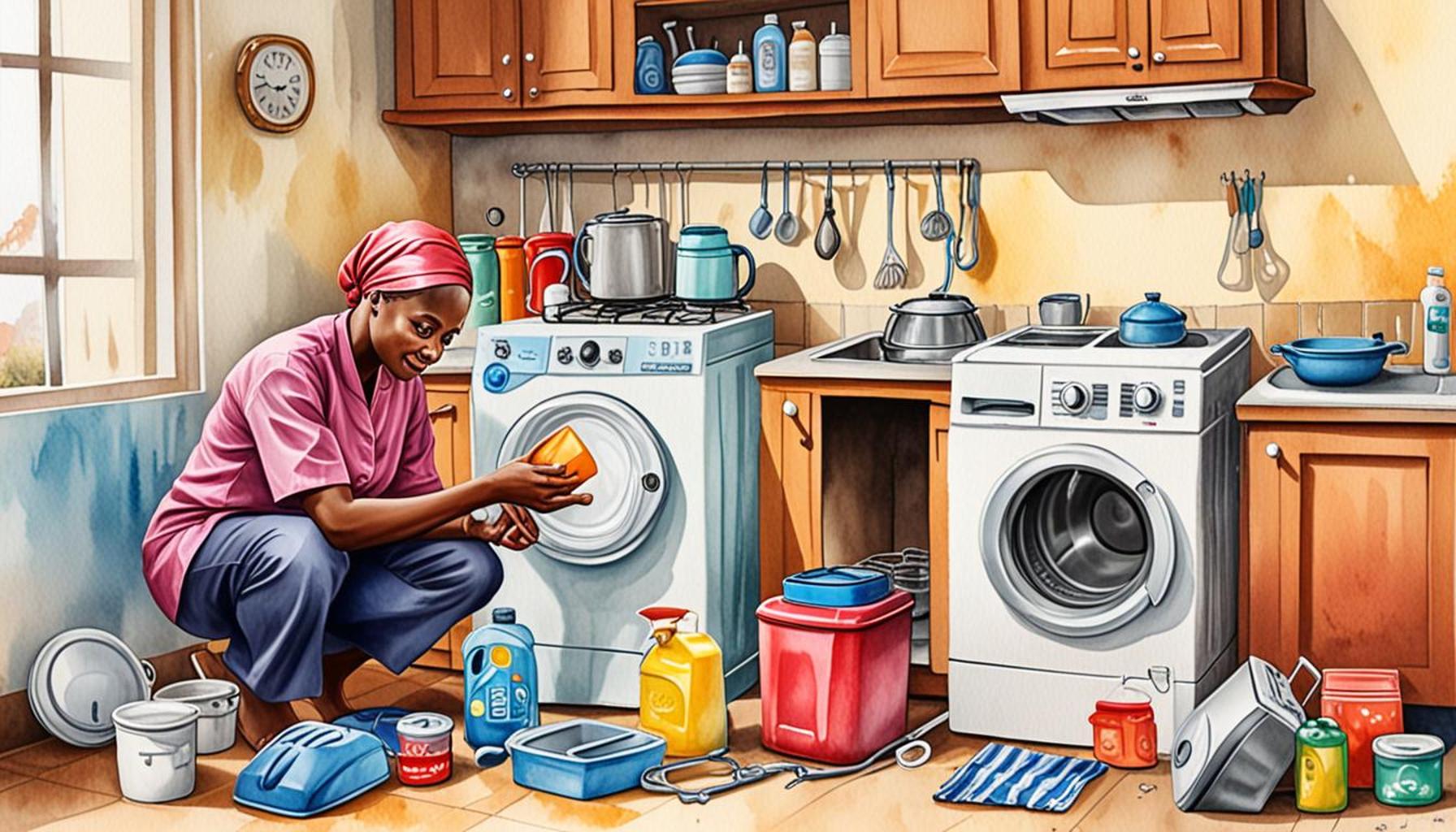
The escalating energy prices in Nigeria have prompted households to adopt strategies for energy efficiency. In a nation where energy costs significantly impact daily living, the importance of maintaining appliances cannot be overstated. When appliances receive regular upkeep, they not only have a longer operational life but also contribute to a noticeable reduction in energy consumption and expenses.
Why is Maintenance Crucial?
Regularly servicing household appliances presents several compelling advantages:
- Enhance performance: Appliances that are well-maintained perform optimally. For instance, a washing machine with clean filters can use water more efficiently, translating to better cleaning results and lower water bills.
- Lower energy bills: When appliances operate efficiently, they consume less electricity. A refrigerator that is defrosted regularly requires less energy to keep food cold, thus saving you money on your monthly electricity bills.
- Prevent costly repairs: Small issues, such as worn-out seals in appliances, when left unattended can escalate into major breakdowns requiring expensive repairs. Regular checks can save substantial amounts of money in the long run.
The Impact on Energy Consumption
In a country like Nigeria, where the electricity supply is often unreliable, optimizing the use of energy is essential for both households and businesses. Effective maintenance activities can yield the following results:
- Decreased energy wastage: Keeping appliances like air conditioners free of dust and debris ensures they operate effectively, minimizing energy wastage. For example, clean coils in an air conditioning unit enable it to cool rooms faster and with less energy.
- Improved lifespan: Routine maintenance not only keeps appliances running but also extends their useful life. A well-cared-for generator, vital for power outages, can last significantly longer and provide consistent service when most needed.
- Environmental benefits: By reducing energy consumption, households can significantly lower their carbon footprints. This contributes positively to the broader goal of reducing greenhouse gas emissions and fighting climate change, an issue that affects every nation, including Nigeria.
Adopting a regular maintenance schedule may initially seem overwhelming, but the long-term advantages are undeniable. With diligent care and attention to routine upkeep, Nigerian households can experience not just smoother appliance operation but also substantial savings on energy-related expenses. Engaging in these practices is an investment into both personal finances and the environment, paving the way toward a more sustainable future.
LEARN MORE: This related article may interest you
Maximizing Efficiency Through Routine Care
In an environment characterized by erratic electricity supply and soaring energy costs, the adventure of energy efficiency begins at home, primarily with the routine maintenance of appliances. The everyday devices we rely on—refrigerators, air conditioners, and washing machines—are the backbone of modern convenience, but they also account for a substantial portion of household energy use. Neglecting their upkeep can not only lead to escalated energy bills but can diminish their operational lifespan considerably. The importance of maintaining these appliances cannot be overstated, especially in a country like Nigeria, where energy challenges are part and parcel of daily life.
One striking example of this is the impact on energy efficiency of regular appliance upkeep. Maintaining your refrigerator can save significant amounts of electricity. A refrigerator working with dirty coils must exert more effort to maintain cool temperatures, which translates to higher energy consumption. It is estimated that regularly cleaning these coils could result in energy savings of up to 30%, a substantial figure for households struggling with rising utility costs. This is particularly relevant in Nigeria, where the cost of living is high and the supply of electricity is often unpredictable, making every Naira count.
Cost-Effective Benefits of Scheduled Maintenance
The relationship between appliance maintenance and cost savings extends beyond immediate energy bills. Proper maintenance can prevent expensive repairs and prolong the life of your devices. For instance, neglected washing machines can experience issues like blockages and leaks due to accumulated debris. Simple interventions, such as checking hoses and cleaning filters, can save homeowners from incurring hefty repair costs or, in worse cases, having to purchase entirely new units.
One could also consider the impact that these maintenance practices can have on local economies. When appliances last longer due to proper care, consumers are less likely to contribute to the fast-fashion mentality that plagues many sectors. Instead, they encourage a sustainable local economy built on repair and reuse.
Here are some critical maintenance tips that every Nigerian household should consider:
- Regularly clean filters: A clean filter can enhance airflow in appliances, such as air conditioners and dryers, leading to optimal performance. This simple task can reduce cooling costs and extend the life of these units.
- Inspect and replace seals: Door seals in refrigerators and freezers should be regularly checked for wear and tear, ensuring energy is not being wasted through leaks. A well-sealed fridge can maintain its temperature more efficiently, again leading to significant energy savings.
- Routine servicing of generators: With the frequent power outages experienced across the nation, a well-maintained generator can provide reliable power, prolonging its lifespan and efficiency. Regular oil changes and filter replacements are crucial for optimal performance.
Moreover, the importance of regular maintenance extends beyond mere convenience; it is a strategy for long-term sustainability. Households can enjoy substantial savings while contributing to conservation efforts by minimizing energy consumption and reducing overall carbon footprints. Thus, adopting a proactive approach to appliance care becomes not just a personal responsibility, but a collective effort towards a more efficient energy landscape in Nigeria.
In summary, as the challenges of energy consumption loom larger in Nigeria, the need for routine maintenance of household appliances unfolds as an essential practice. Not only can proper upkeep help in reducing immediate costs, but it also plays a crucial role in building a sustainable future for generations to come. So, let’s take this simple yet effective step towards energy efficiency and improved household management.
| Category | Advantages |
|---|---|
| Improved Energy Efficiency | Regular maintenance ensures appliances operate at peak performance, reducing energy consumption significantly. |
| Cost Savings | Routine checks can help identify and rectify issues before they escalate into costly repairs, ultimately saving money. |
| Extended Lifespan | Maintaining appliances frequently can prolong their lifespan, maximizing your investment and reducing the need for replacements. |
| Enhanced Safety | Regular servicing reduces the risk of appliance malfunctions, which can cause safety hazards like electrical fires or gas leaks. |
Understanding the advantages of regular maintenance for your appliances can substantially enhance your home’s energy efficiency. Not only does it lead to significant cost savings over time, but it assures homeowners of a safer environment. By investing a little effort and time into the upkeep of everyday devices, you not only benefit from reduced energy bills but also facilitate a more sustainable lifestyle. It is imperative for homeowners to recognize the role that routine maintenance plays in ensuring their appliances operate efficiently, reducing their carbon footprint, and contributing to environment-friendly living.
LEARN MORE: This related article may interest you
The Ripple Effects of Appliance Maintenance on Energy Use
As Nigeria continues to grapple with energy efficiency challenges, understanding the profound impacts of regular maintenance extends beyond individual households. Every appliance we use operates within a larger electrical ecosystem that can affect local energy grids. Well-maintained appliances not only reduce energy consumption on a personal level but also contribute to the stability and efficiency of the entire energy network. As more households adopt best practices in appliance care, the collective impact can have a significant ripple effect on energy demand, potentially easing the strain on utility providers, particularly during peak consumption periods.
Additionally, consider the case of air conditioning systems—a necessity in Nigeria’s sweltering climate. A study by the Federal Ministry of Power shows that cooling systems account for a staggering 30% of household energy consumption. Yet, a report from the Energy Commission of Nigeria outlines that simply cleaning the air filters and ensuring refrigerant levels remain optimal can cut energy use by up to 40%. This not only translates into reduced electricity bills but also plays a crucial role in mitigating the likelihood of blackouts that are often triggered by excessive demand on the national grid.
Environmental Implications of Neglected Appliances
Beyond immediate financial implications, the environmental impact of poorly maintained appliances deserves attention. When appliances like refrigerators and air conditioners use excessive energy due to neglect, they not only increase utility costs but also contribute to higher carbon emissions. A well-maintained appliance operates with minimal energy wastage—thereby reducing the overall demand for electricity generated from fossil fuels. This is particularly significant in Nigeria, where a large percentage of electricity generation still relies on non-renewable energy sources. By maintaining our appliances, we embrace an indirect but vital strategy for environmental conservation.
Moreover, the habit of regular maintenance fosters a culture of responsible consumption, reinforcing the idea of sustainability within communities. The Ghanaian energy conservation campaign, for instance, has revealed that education on the maintenance of energy-consuming devices has the potential to reduce national energy consumption by a remarkable 20-25%. There is an opportunity for similar initiatives in Nigeria, where communities can come together to learn and share knowledge about maintaining appliances, enhancing both social bonds and energy efficiency.
Furthermore, appliance manufacturers are starting to recognize the importance of creating easily maintainable products. Innovations in self-cleaning technologies and user-friendly designs can help consumers engage in routine maintenance more effortlessly. Staying informed about new technologies and practices is a critical part of the energy efficiency conversation, encouraging users to embrace inherently efficient appliances right from the start.
- Utilize energy-efficient models: When upgrading appliances, opt for those with high energy efficiency ratings. These models are designed to require less energy while offering the same level of service, making them a sound investment for both household budgets and the environment.
- Participate in energy audits: Engaging in local energy audits can help identify areas where energy use can be optimized, and be a great opportunity for community learning on best practices in appliance maintenance.
- Educate others about maintenance: Sharing knowledge about simple maintenance practices can lead to a broader cultural shift toward energy responsibility within neighborhoods.
Ultimately, the harmony between well-maintained appliances and energy efficiency is an essential narrative that needs to be shared and embraced. As Nigerian households increasingly prioritize routine care, the benefits will cascade, fostering a more energy-conscious society ready to tackle the demands of today and tomorrow.
LEARN MORE: This related article may interest you
Conclusion: Embracing a Culture of Maintenance for a Sustainable Future
In conclusion, the importance of regular maintenance of appliances for energy efficiency cannot be overstated. It resonates not only within individual households but also manifests in the broader context of national energy management and environmental sustainability. By adopting routine maintenance practices, Nigerian households can significantly reduce their energy consumption and enhance the lifespan of their appliances, ultimately leading to lower electricity bills.
The collective efforts of families prioritizing maintenance can lead to a substantial decrease in energy demand, which could alleviate the pressures on Nigeria’s electrical grids, especially during peak times. Furthermore, this proactive approach plays a crucial role in achieving environmental goals by cutting down carbon emissions, thereby contributing to a cleaner and more sustainable future.
It is vital to recognize that the ripple effects of simple maintenance checks—be it changing air filters in cooling systems or cleaning refrigerator coils—extend far beyond individual benefits. This collective behavior establishes a culture of energy responsibility within communities. The potential for initiatives similar to those in Ghana, aimed at educating citizens about appliance upkeep and energy efficiency, could drive Nigeria towards more sustainable energy consumption.
Ultimately, embracing maintenance as a part of everyday life positions Nigeria and its people as proactive stewards of both their homes and the environment. By prioritizing energy-efficient practices, utilizing energy-efficient models when upgrading appliances, participating in local energy audits, and sharing knowledge, we can pave the way for a more energy-conscious society ready to meet the demands of both today and tomorrow.