
The Influence of Sewage Cleaning on Public Health and Community Well-Being

The Importance of Sewage Cleaning in Nigeria
Effective sewage cleaning is a pivotal aspect of urban development in Nigeria, especially as cities like Lagos, Abuja, and Port Harcourt continue to grow rapidly. The mounting challenges associated with wastewater management significantly affect public health and overall community well-being, highlighting an urgent need for substantial investment in sanitation infrastructure.
Impact on Public Health
One of the most compelling reasons for prioritizing sewage management is the prevention of waterborne diseases. In Nigeria, the prevalence of illnesses such as cholera, dysentery, and typhoid fever can be traced back to inadequate sewage disposal methods. During the rainy season, the overflow of sewage from poorly maintained drainage systems contaminates local water sources, resulting in significant public health crises. For instance, the cholera outbreak in Lagos in 2017 served as a stark reminder that lapses in sanitation can unleash devastating consequences on vulnerable populations.
Environmental Protection
Moreover, environmental protection must be addressed when discussing sewage treatment. Effective sewage cleaning not only safeguards public health but also preserves the delicate ecosystem of local water bodies. Rivers and lakes challenged by untreated sewage pollution face severe degradation, leading to loss of biodiversity. Aquatic species, which are crucial for maintaining ecological balance, suffer from reduced habitats and declining health. In a country blessed with rich biodiversity, the importance of safeguarding natural habitats through proper sewage management cannot be understated.
Enhancing Community Aesthetics
Furthermore, community aesthetics also play a vital role in the quality of life for urban residents. Clean neighborhoods are essential for fostering a sense of pride and belonging among community members. When sewage systems are well-managed, it reflects positively on the entire community, making it a more desirable place for living and investment. For example, in cities where local governments prioritize sanitation, community morale often improves, leading to increased social cohesion and reduced crime rates.
The Way Forward
Considering the intricate connection between sewage treatment and public health leads to a pressing conversation about the importance of investing in necessary infrastructure. Knowledge of these impacts cultivates greater community awareness, enabling citizens to advocate for sustainable solutions. Engaging citizens through educational campaigns and local government initiatives can empower communities to take active roles in improving sanitation and sewage management.
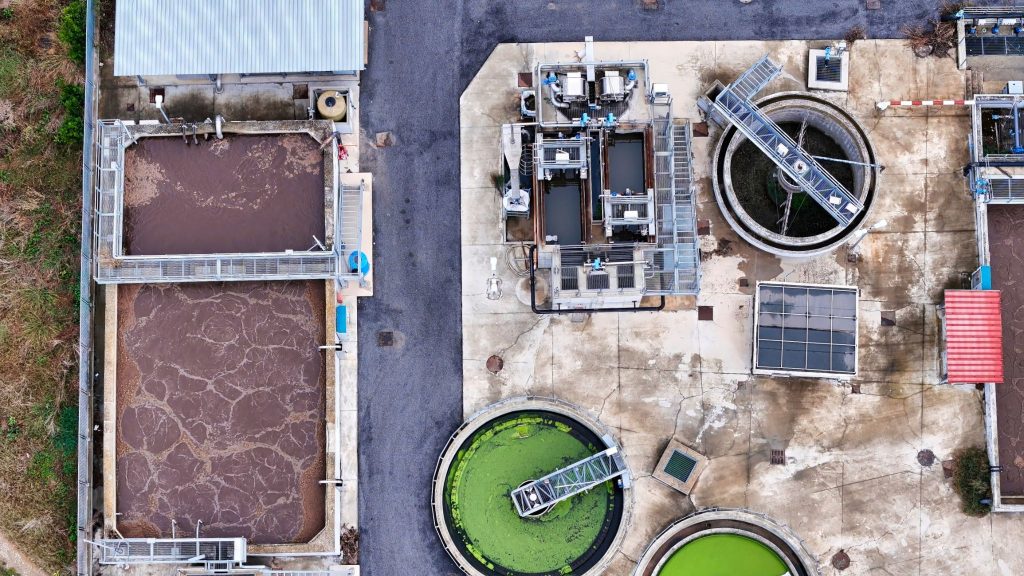
The effects of sewage cleaning extend beyond mere sanitary systems; they shape the very fabric of public health and community vitality. By fostering a culture of responsibility and urgent action around this issue, Nigeria can look forward to a healthier, more sustainable future where urban expansion does not come at the cost of public health and environmental degradation.
RECOMMENDED: Check out this similar article
The Critical Role of Sewage Treatment in Public Health
In Nigeria, the impact of sewage cleaning on public health cannot be overstated. One of the most alarming effects of poor sewage management is the proliferation of waterborne diseases, which remain a persistent threat to the health of millions. Facilities and systems designed to filter and clean wastewater are essential for curbing the transmission of diseases that can lead to severe health complications or even death.
Understanding Waterborne Diseases
Waterborne diseases are primarily transmitted through contaminated water sources, and in urban areas, the lack of adequate sewage treatment exacerbates this issue. Some of the most common diseases affecting Nigerians due to poor sewage systems include:
- Cholera: A highly contagious bacterial infection, cholera spreads rapidly through contaminated water and can cause dehydration leading to death.
- Typhoid Fever: Caused by the Salmonella Typhi bacteria, this disease can result in severe abdominal symptoms and is especially prevalent in areas with insufficient sanitation.
- Dysentery: Dysentery leads to severe diarrhea, often linked to unsanitary water sources or food contaminated with fecal matter.
These diseases are not only a burden on the health systems but also have socio-economic ramifications, diminishing productivity and extending medical costs for families and communities. For instance, Nigeria recorded over 33,000 cases of cholera between 2017 and 2020, and such statistics represent a significant strain on public health infrastructure.
The Economic Burden of Disease
The relationship between sewage management and economic health is intricate. Poor public health stemming from inadequate sewage cleaning often necessitates government intervention, draining financial resources that could be allocated elsewhere. The indirect costs from lost productivity, hospitalization, and even premature deaths create a substantial economic burden on the nation. In a developing economy, every naira spent on treating preventable diseases is a missed opportunity for growth and development.
Societal Impact and Relationship with Community Well-Being
The consequences of poor sewage management extend beyond individual health, affecting community well-being. Communities plagued by unsanitary conditions often encounter social challenges, including reduced quality of life, increased crime rates, and a sense of helplessness among residents. Conversely, communities that emphasize effective sewage cleaning and management tend to foster better social ties and enhanced cooperation among residents. This interconnectedness is vital for holistic community development.
Efforts to improve sanitation can lead to a range of positive outcomes, creating environments conducive to educational and economic development. Communities that proactively advocate for improved sewage systems not only protect their residents’ health but also establish a foundation for sustainable living where families can thrive.
In light of these issues, the need for effective sewage management becomes unequivocal. When communities address sewage cleaning with urgency and commitment, they can pave the way for a healthier population and a prosperous future.
The Relationship Between Sewage Treatment and Public Health
The effects of effective sewage cleaning on public health are profound and multifaceted. One of the most immediate benefits is the significant reduction in waterborne diseases. Proper sewage treatment eliminates pathogens that otherwise contaminate drinking water sources, which is crucial in densely populated areas. According to the World Health Organization, regions with accessible sewage treatment facilities experience a 50% decrease in diseases such as cholera and dysentery. This not only protects individual health but also alleviates the burden on healthcare systems, allowing resources to be directed towards other pressing health concerns.
Environmental Benefits and Community Well-Being
In addition to direct health benefits, well-managed sewage systems play a vital role in enhancing community well-being. Treated wastewater can be repurposed for agricultural and landscape irrigation, providing a sustainable water source in arid regions. This practice not only supports local agriculture but also maintains green spaces, contributing to the overall aesthetic and recreational quality of communities. Furthermore, efficient sewage treatment minimizes environmental pollution, ensuring cleaner waterways which support biodiversity and recreational activities, further enhancing community health.
| Advantage | Description |
|---|---|
| Disease Reduction | Proper sewage treatment significantly cuts down on waterborne pathogens, reducing diseases. |
| Environmental Sustainability | Recycling treated sewage for irrigation supports agriculture and maintains community greenery. |
Understanding the connection between sewage treatment and both public health and community well-being opens pathways for enhanced policy-making and community initiatives that prioritize environmental health. The implications of investing in effective sewage treatment methods ripple through various facets of social and economic life, further highlighting the critical need for improved sanitation infrastructures.
RECOMMENDED: Check out this similar article
The Environmental Impact of Sewage Management
Improper sewage management not only influences public health but also has profound repercussions on the environment, which in turn affects community well-being. When sewage systems are overwhelmed or inadequately maintained, untreated wastewater often contaminates local ecosystems, leading to irreversible damage. In Nigeria, rivers, and waterways serve as common disposal sites for untreated sewage, posing serious threats to biodiversity and ecological balance.
Contamination of Water Sources
Water pollution is a grave concern for many communities, where surface and groundwater supplies become contaminated by untreated sewage. This jeopardizes not only the drinking water but also the irrigation supplies used for agriculture, which can propagate toxic microbes into food systems. A report from the World Bank indicates that poor sanitation practices could lead to over 1.5 million deaths globally each year due to contaminated water sources. In agricultural communities, where farmers rely on local water for crop irrigation, the ramifications of sewage contamination can hinder food security, stripping people not only of dietary staples but also of their livelihoods.
Sewage Treatment as a Sustainable Solution
On the flip side, effective sewage treatment can serve as a pivotal force in environmental sustainability. By utilizing treatment processes that remove harmful pathogens and pollutants, communities can produce reclaimed water suitable for irrigation, industrial processes, or even recreational use. The Nigerian government, in collaboration with international organizations, is beginning to invest in more sustainable sewage treatment technology to address these pressing issues. The implementation of modern treatment facilities in urban centers has shown promise in reducing pollution levels and enhancing public health.
Additionally, creating green spaces out of sewage treatment facilities can enhance local ecosystems while providing benefits to community residents. Designed wetlands, for instance, can serve dual purposes by treating wastewater and creating habitats for wildlife. Such initiatives foster community engagement and cultivate a sense of ownership and responsibility regarding local environmental health.
Community Involvement and Education
Education is vital in ensuring effective sewage management and its benefits are fully realized. Communities equipped with knowledge about the advantages of sewage cleaning processes can advocate for better sanitation infrastructures and practices. Schools and local organizations can play an integral role in this educational push, helping raise awareness about the implications of waterborne illnesses and the importance of proper sewage facilities.
Moreover, community involvement in maintaining and monitoring sewage systems encourages accountability and care for local ecological health. Initiatives such as community clean-up drives or awareness campaigns can galvanize public support for sewage treatment solutions, leading to healthier communities resistant to the diseases associated with poor sanitation.
The Interconnectedness of Public and Environmental Health
The relationship between sewage cleaning, public health, and community well-being is intricately woven. For example, contamination from poorly managed sewage systems can lead to the proliferation of vectors such as mosquitoes, which thrive in stagnant water found in and around poorly maintained sewage areas. This escalates the risk of diseases such as malaria, directly linking inadequate sewage treatment with increased health threats.
Addressing these interconnected issues requires a concerted effort that encompasses public health policies, sanitation infrastructure investments, and community education. Collaborative efforts that bring together government entities, NGOs, and local residents can result in a comprehensive approach to sewage management. Through these initiatives, Nigeria can enhance health outcomes while cultivating resilient communities capable of thriving in cleaner, safer environments.
ADDITIONAL INSIGHTS: Expand your understanding here
Conclusion: The Path to Healthier Communities through Effective Sewage Management
In conclusion, the profound influence of sewage cleaning on public health and community well-being cannot be overstated. Effective sewage management is not merely a matter of infrastructure; it is a critical element in safeguarding human health, protecting the environment, and enabling communities to thrive. As highlighted throughout this article, the correlation between poor sewage practices, water contamination, and health crises is evident, with millions suffering from preventable diseases each year. The urgent need for investment in modern sewage treatment facilities and sustainable practices is clear.
This focus on sanitary infrastructure is particularly vital in Nigeria, where many communities grapple with inadequate sewage systems, exposing them to dire health risks. By fostering educational initiatives to raise awareness about the benefits of effective sewage management, communities can mobilize for change. When residents understand the implications of sewage contamination on their health and environment, their engagement becomes a powerful tool for transformation.
Moreover, the intersection of public health and environmental sustainability points to a future where communities can flourish. Initiatives that merge green technology with sewage treatment not only mitigate health risks but also enhance local biodiversity, creating livable spaces for both humans and wildlife. As Nigeria invigorates its commitment to tackling these pressing challenges through collaborative efforts between government, NGOs, and local stakeholders, the vision of healthier, more resilient communities becomes attainable.
Ultimately, investing in sewage cleaning and management is an investment in the very fabric of community life, fostering a stronger, healthier Nigeria poised for a sustainable future.